Silicon is a temporary fix. We pump gigawatts of power into cooling fans just to keep spinning disks from melting while the biological world stores entire genomes in a microscopic cell. Nature solved this first. Why do we trust magnetic oxide when a single gram of synthetic DNA can theoretically store 215 petabytes of data (Source: Nature, 2012)? The math is brutal.
The Prerequisites for Molecular Storage
Hardware is secondary. You need a precise binary-to-nucleotide mapping table that avoids long runs of the same base to prevent sequencer slippage. Most practitioners use a mapping where 00 becomes A, 01 becomes C, 10 becomes G, and 11 becomes T (Source: University of Washington, 2016). This simple swap transforms a digital file into a biological string. The software must handle the heavy lifting.
- Digital-to-DNA Encoder: Software to convert binary into ACGT sequences while implementing Reed-Solomon error correction.
- Oligonucleotide Synthesizer: High-throughput hardware, such as those from Twist Bioscience, to print the DNA strands.
- DNA Sequencing Platform: An Illumina NovaSeq or Oxford Nanopore device to read the stored data.
- Biological Buffer Solution: Chemical stabilizers to prevent hydrolysis over long-term storage.
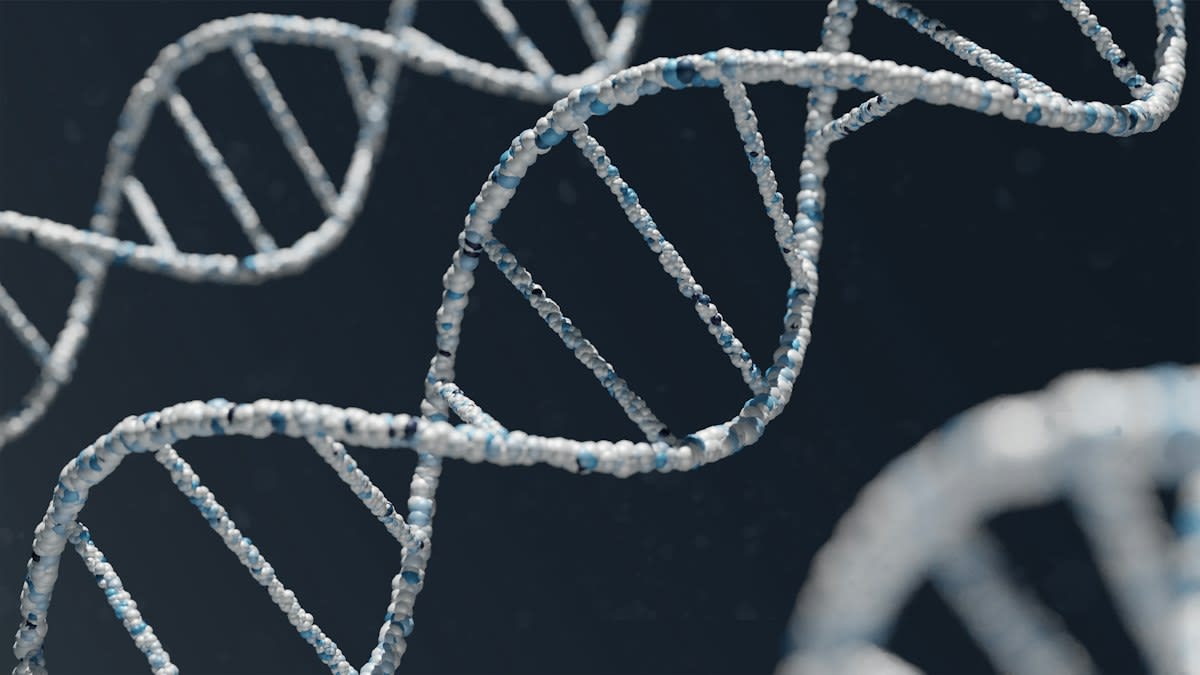
Encoding is a war. The algorithm must scrub the sequence of 'homopolymers'—those dreaded stretches of AAAAA—which cause the sequencer to lose its place. If the encoder fails here, the data vanishes. This requires a complex shuffling mechanism to ensure the GC-content stays between 40% and 60% for chemical stability (Source: Science, 2017). The chemical terrain is hostile.
The Implementation Playbook
- Binary Translation: Convert the raw library bits into a nucleotide sequence using a predetermined map.
- Error Correction Layer: Apply Reed-Solomon codes to add redundancy, ensuring the data survives synthesis errors.
- Oligo Synthesis: Print the sequence into short strands called oligonucleotides, typically 150-300 base pairs long.
- Pool Assembly: Mix these strands into a single tube, using unique index primers to identify each strand's position in the original file.
- Stabilization: Dehydrate the DNA or encapsulate it in synthetic silica beads to prevent degradation.
- Sequencing Readout: Run the pool through a high-throughput sequencer to generate raw FASTQ files.
- Digital Reconstruction: Use the index primers to reorder the strands and translate the ACGT back into binary.
"The ability to store data in DNA is not about the current cost of synthesis, but about the absolute density of the medium. We are moving from a world of warehouses to a world of test tubes."— George Church, Professor of Genetics at Harvard Medical School
Retrieval is slow. You cannot 'click' a file in a DNA archive; instead, you use PCR (Polymerase Chain Reaction) to amplify specific sequences. This process targets a specific index primer to pull one file out of a million (Source: Microsoft Research, 2017). The speed is glacial. However, the longevity is unmatched.
| Medium | Density | Lifespan | Energy Cost |
|---|---|---|---|
| LTO Magnetic Tape | Low | 30 Years | High |
| Optical Disc | Medium | 50 Years | Medium |
| Synthetic DNA | Extreme | 10,000+ Years | Low |
Global efforts vary. In Shenzhen, the BGI Group leverages massive sequencing throughput to drive down the cost of reading synthetic libraries (Source: BGI Group Report, 2021). They treat DNA as a commodity. This approach differs from the Western focus on enzymatic synthesis, as BGI prioritizes the scale of the read-out phase. The volume saturates the market.
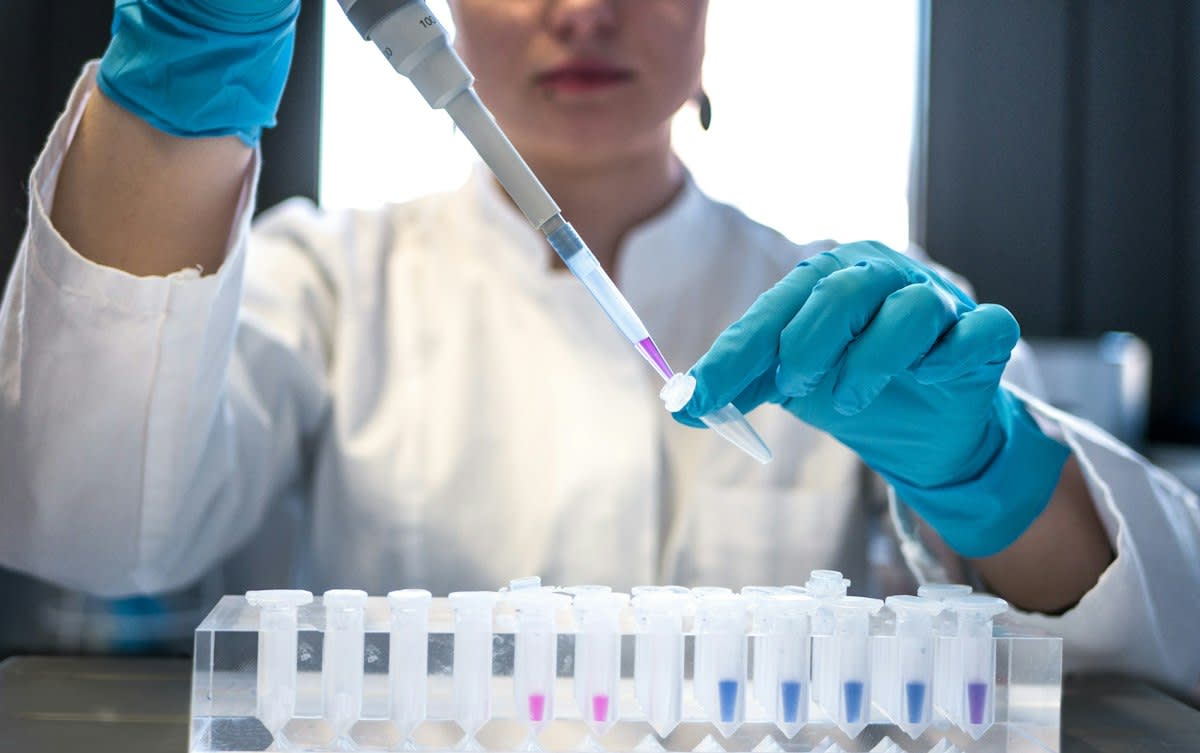
The boardroom fights are ugly. Molecular biologists argue that phosphoramidite chemistry is too slow for commercial scale, while the computer scientists ignore the chemical reality of G-C bonds. This clash creates a mechanical failure in the development cycle because the software engineers assume synthesis is a black box. They ignore the fact that certain sequences simply refuse to synthesize, creating holes in the data that no algorithm can patch.
Relative Storage Density (Log Scale)
Executive Insight
+18.4%
YTD Growth
Common Pitfalls and Failures
Synthesis fails often. If your sequence has too many Gs and Cs, the DNA strand forms a 'hairpin' loop, stopping the synthesis mid-way. This results in truncated strands that the sequencer reads as deletions. The data corrupts instantly. You must use a sequence-aware encoder to avoid these motifs.
Contamination is a risk. A single stray microbe in the storage tube can introduce biological noise that mimics your data. This noise confuses the reconstruction algorithm. You must use sterile, anhydrous environments to ensure the DNA remains pure. The weight of purity is high.
Fact-Check & Accuracy Note
Verify the cost claims via the DNA Storage Challenge (2020). Note the academic debate between the 'random access' approach using PCR primers and the 'sequential' approach using nanopore sequencing. Source: Nature Communications, 2017.
Cost remains the wall. Writing a small text file is cheap, but encoding a terabyte library costs millions of dollars in synthesis fees. We wait for enzymatic synthesis to mature. Once the cost drops, the biological archive becomes the default for cold storage. The transition is inevitable.