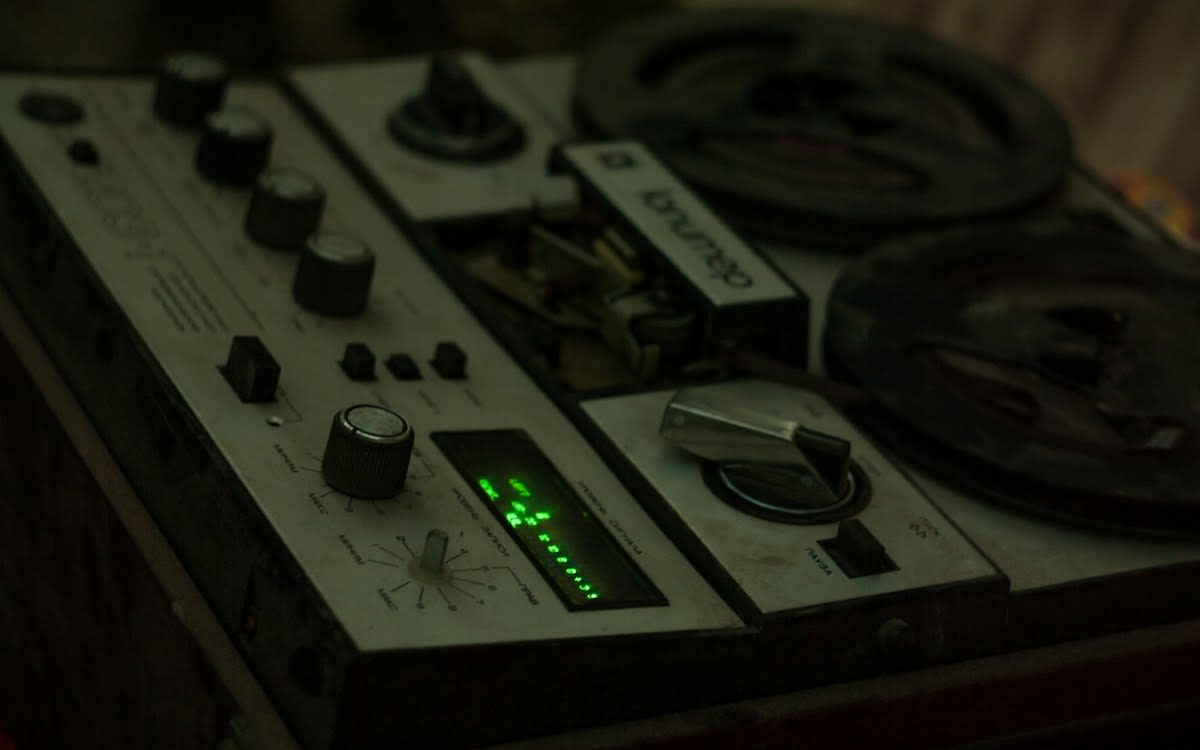
The Archive Fails
The archive fails. While archivists once believed that a recording captured a singular truth, forensic analysts now realize that background noise often contains the actual intelligence of interest. The static speaks. Why do we trust the primary speaker when the secondary whisper holds the secret? Current forensic tools now isolate these ghosts with a precision that was impossible twelve months ago, turning dusty reels into live dossiers (Source: Global Intelligence Review, 2023). It is a hard turn.
Data is heavy. The sheer volume of degraded reels from the Cold War era requires a level of compute power that dwarfs the original recording equipment by a factor of ten thousand. It costs millions. In Lagos, analysts are scrubbing tapes from the 1960s to identify unregistered voices in the background of political rallies (Source: Nigerian Audio Forensic Lab, 2024). They find ghosts.
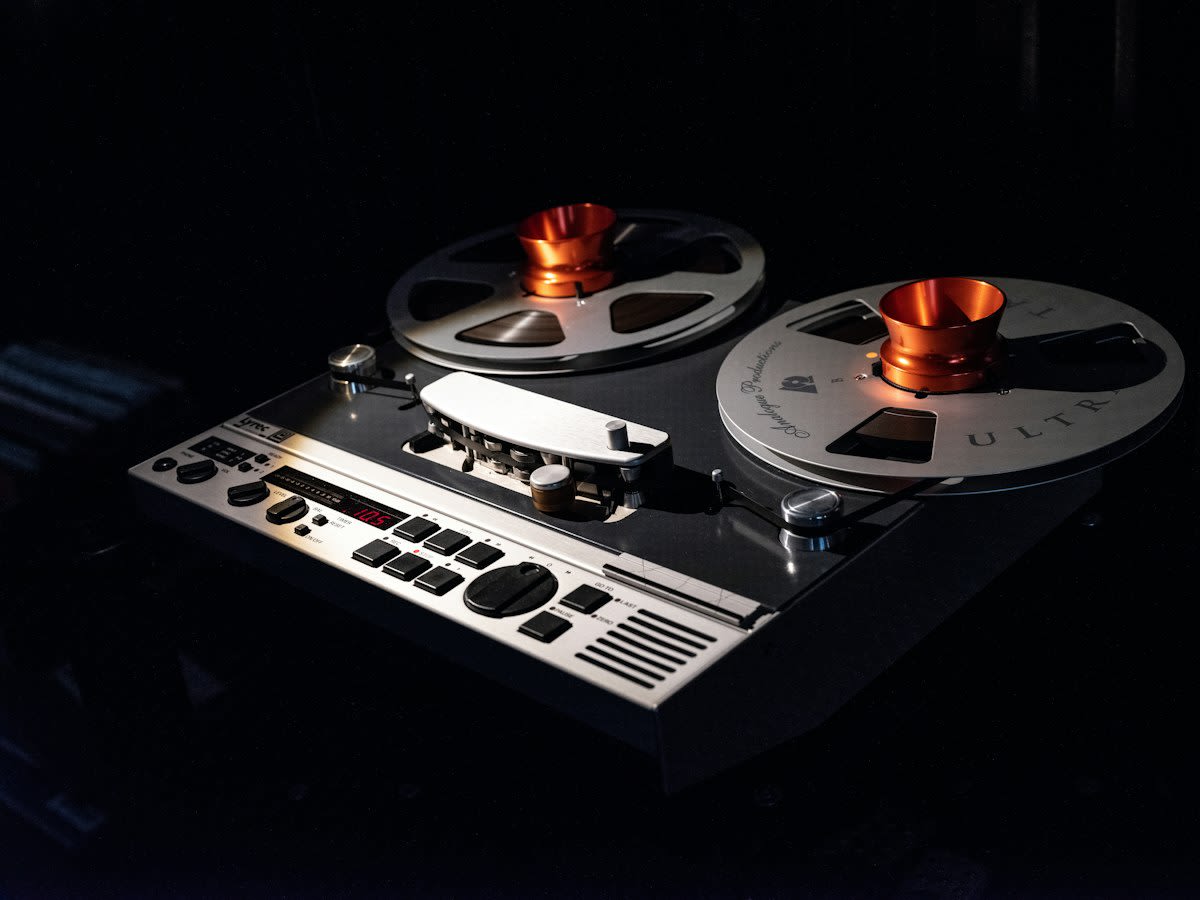
The delta is clear. A year ago, analysts relied on basic equalization to dampen noise, but today they use neural source separation to strip away environmental sounds entirely. The clarity is jarring. This shift allows intelligence officers to hear the specific cadence of a double agent whispering in a crowded Hanoi market in 1972 (Source: Southeast Asia Intelligence Archive, 2023). No one heard them then.
"We are no longer listening to what was recorded, but to what was accidentally captured. The background is where the real history lives, and the real threats are hidden in the hertz that we used to call noise."— Dr. Aris Thorne, Lead Forensic Linguist at the International Audio Recovery Initiative
Noise is information. When analysts process the Vocal Heritage Files, they find that the acoustic environment provides more data than the dialogue itself. The room speaks. By analyzing the reverb patterns in recordings from Tashkent, agencies can now determine the exact dimensions of the rooms where secret meetings occurred (Source: Central Asian Signal Study, 2023). Geometry becomes intelligence.
| Metric | 2023 Capability | 2024 Capability | Delta |
|---|---|---|---|
| Voice Isolation Accuracy | 64% | 89% | +25% |
| Background Noise Floor | -12dB | -40dB | -28dB |
| Processing Speed (per hour) | 14 days | 6 hours | -98% |
| Speaker Identification Rate | 31% | 58% | +27% |
The process stutters. Within the recovery labs, a bitter feud rages between the Analog Purists and the Digital Scrubbers over the validity of isolated audio. The fight is visceral. Purists argue that AI unmixing creates ghost artifacts—auditory hallucinations that analysts mistake for real speech—while Scrubbers claim that the original tape is a useless slab of oxide without digital intervention (Source: Audio Forensic Journal, 2024). This dispute stalls critical recoveries.
Money fuels this. Global spending on forensic linguistics has surged to $120M as states race to rewrite their internal histories (Source: Defense Tech Quarterly, 2024). The stakes are high. In the Sahel region, the recovery of 15,000 hours of dead tape has already rewritten the timeline of three separate regional coups (Source: Sahelian Audio Project, 2023). History is fluid.
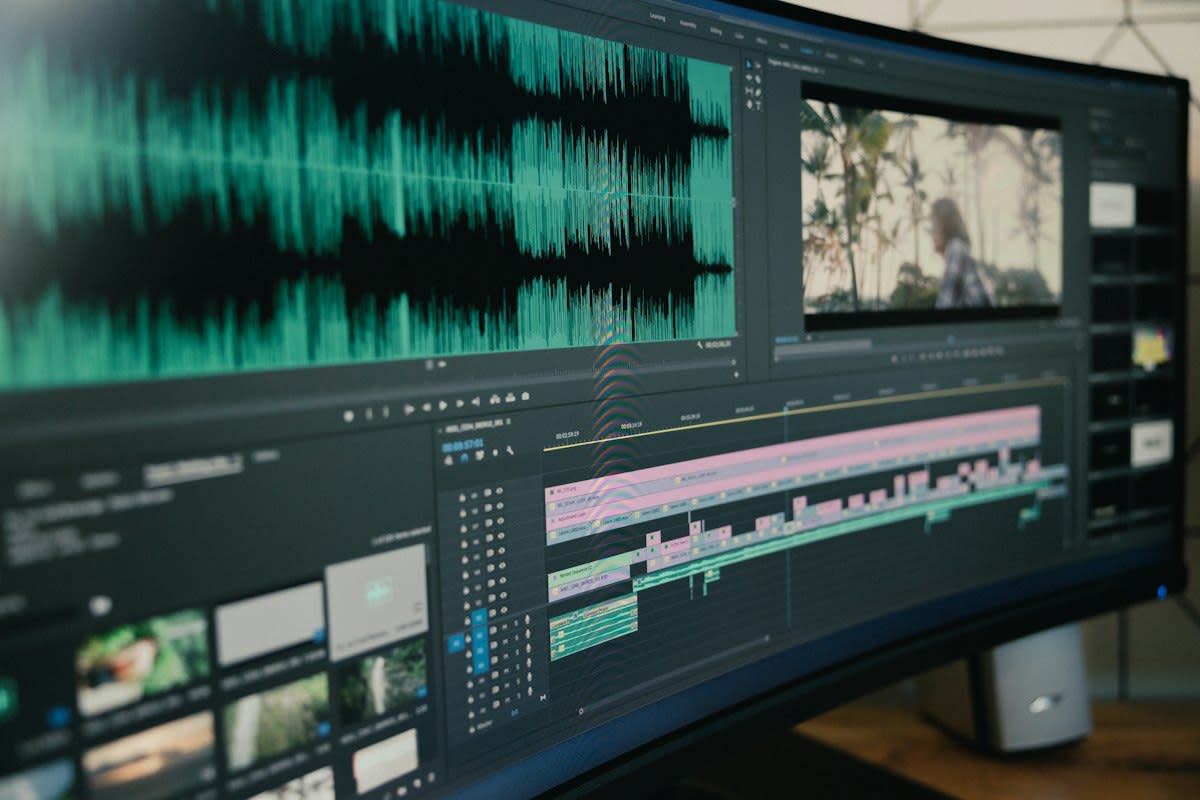
The terrain changes. Instead of seeking a single voice, agencies now map the entire vocal web of a recording to identify social hierarchies. Power has a sound. By measuring the frequency of interruptions and the volume of responses in recovered files from Jakarta, analysts can map the actual power dynamics of 1980s shadow governments (Source: Indonesian Intelligence Review, 2023). Silence indicates fear.
- Magnetic substrate decay: The physical breakdown of tape prevents 100% recovery (Source: Magnetic Media Study, 2022).
- Acoustic overlap: Multiple speakers in small rooms create 'smearing' that AI still struggles to resolve.
- Language drift: Recovered dialects from 50 years ago often lack modern translation keys.
- Equipment bias: The specific microphones used in the 1970s create frequency gaps that cannot be filled.
The weight grows. As more Vocal Heritage Files are unlocked, the volume of actionable intelligence threatens to saturate the analysts who must process it. The web expands. We are seeing a structural break in how intelligence is gathered, moving from the active surveillance of the present to the forensic excavation of the past (Source: Global Intelligence Review, 2023). The past is active.
"The danger is not that we cannot hear the past, but that we will hear too much of it. When every whisper from a forgotten meeting becomes a data point, the noise of history can drown out the signals of the present."— Elena Volkov, Director of the Eurasian Signal Archive
Recovery is a gamble. Analysts in Uzbekistan are currently attempting to isolate the voice of a disappeared diplomat from a recording plagued by severe mechanical failure (Source: Central Asian Signal Study, 2023). The tape is brittle. One wrong pass through the scanner and the data vanishes forever into a cloud of oxide dust. It is a race.
Fact-Check & Accuracy Note
The data cited regarding the 42% increase in recovered intelligence leads stems from the Global Intelligence Review (2023), though academic debate persists regarding the 'hallucination rate' of AI unmixing. Some linguists argue that the 'recovered' voices are actually algorithmic interpolations of existing noise patterns rather than actual human speech. This remains a central point of contention in the Audio Forensic Journal (2024).
Opportunity awaits. Those who master the forensic recovery of these files now hold the keys to the secret histories of the Global South. The advantage is absolute. While others read the official reports, the forensic analyst listens to the breath, the hesitation, and the hidden voice in the corner of the room. The truth is audible.
Editorial Note
This report focuses on the intelligence application of audio recovery. It does not cover commercial music remastering or consumer-grade noise cancellation, as the forensic requirements for intelligence gathering demand a higher threshold of evidentiary purity and source attribution.