China-to-B'desh cargo ship seized: Chemicals onboard enough to make 100 missiles
Source Entity
YASHASVI VASISTHA
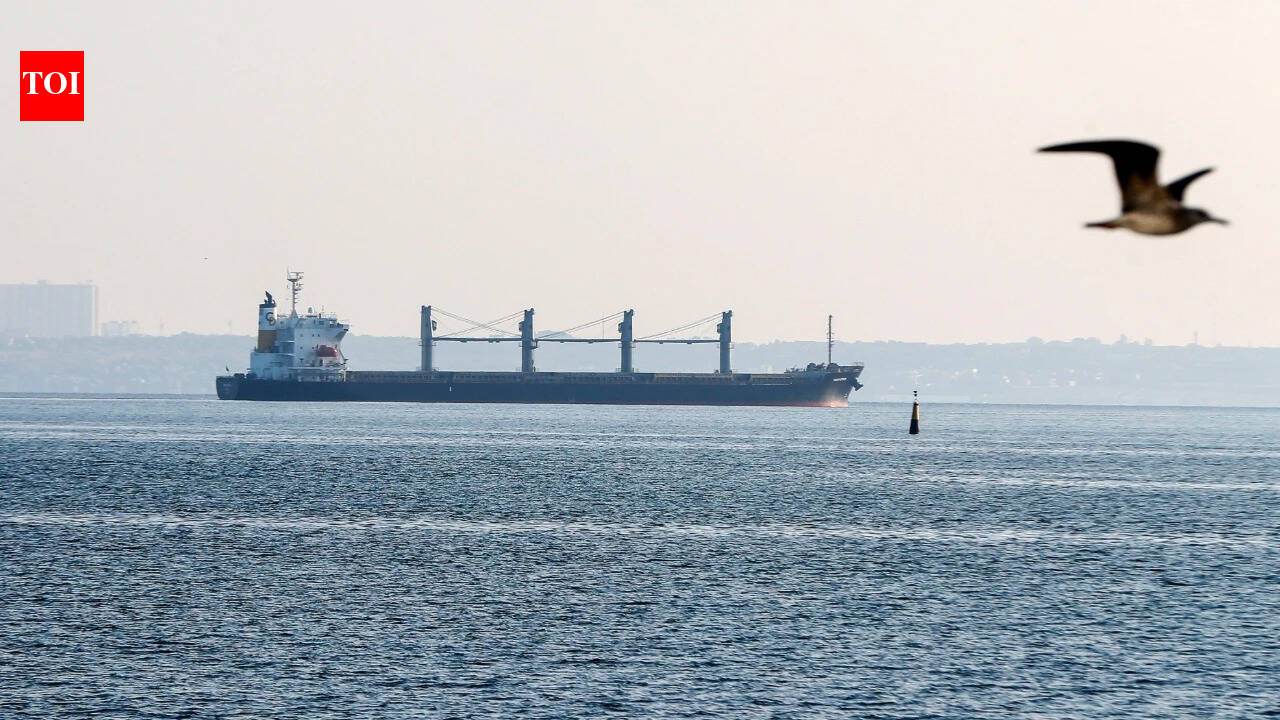
The Indonesian Navy has seized the Comoros-flagged MV Star Line, which was transporting 405 tonnes of sodium perchlorate and millions of unregistered SIM cards from China to Bangladesh. Authorities are investigating the vessel due to significant documentation irregularities and the potential military application of the cargo.
Interception of the MV Star Line: A Maritime Security Concern
On November 7, the Indonesian Navy executed a high-stakes interception of the Comoros-flagged cargo vessel, MV Star Line, in the waters off Belawan. The vessel, which was in transit from China to Bangladesh, was flagged by authorities for possessing significant irregularities in its registration documents and cargo manifests. This incident has triggered a comprehensive investigation into the nature of the ship’s mission and the intended destination of its highly sensitive cargo.
The Nature of the Cargo: A Dual-Use Threat
The primary concern surrounding the MV Star Line involves the discovery of 405 tonnes of sodium perchlorate stored within 15 shipping containers. Sodium perchlorate is a potent oxidizing agent frequently utilized in industrial manufacturing; however, its chemical properties make it a critical component in the production of solid rocket propellants and high-grade explosives. Experts have noted that the sheer volume of the chemical onboard is sufficient to potentially facilitate the manufacture of up to 100 missiles, raising alarms regarding regional security and the potential for illegal arms proliferation.
Unregistered Technology and Documentation Lapses
Beyond the hazardous chemical load, investigators discovered millions of unregistered 4G LTE SIM cards onboard the vessel. The presence of such a vast quantity of telecommunications hardware, combined with the discrepancies found in the ship's registration papers, suggests a complex smuggling operation or a deliberate attempt to bypass international maritime logistics regulations. This confluence of military-grade chemical components and illicit communication technology complicates the narrative, pointing toward a sophisticated supply chain that spans multiple borders.
Regional Implications and Geopolitical Context
The route from China to Bangladesh, passing through strategic Indonesian waters, places this incident at the center of maritime security discourse in Southeast Asia. Regional authorities, including the Indonesian Navy’s Koarmada I commander Rear Admiral Denny Septiana, are now tasked with unraveling the intent behind the shipment. The involvement of a Comoros-flagged vessel—a common practice in 'flag of convenience' shipping—further underscores the difficulties international agencies face in maintaining oversight of global commercial shipping lanes.
Future Trends and Security Oversight
This interception highlights a growing trend of 'dual-use' cargo exploitation, where industrial chemicals are diverted for military or insurgent applications. As global supply chains become increasingly opaque, maritime security forces are likely to adopt more rigorous inspection protocols for vessels transiting through critical straits. The investigation into the MV Star Line will serve as a bellwether for future collaborative maritime law enforcement efforts between China, Bangladesh, and Indonesia, as they work to determine whether this was an isolated case of smuggling or part of a larger, coordinated effort to bypass international arms control measures.