Ecostani: No climate deal at Antalya will not derail renewable transition
Source Entity
Latest News: Todays Latest News Headlines from India & World | Hindustan Times
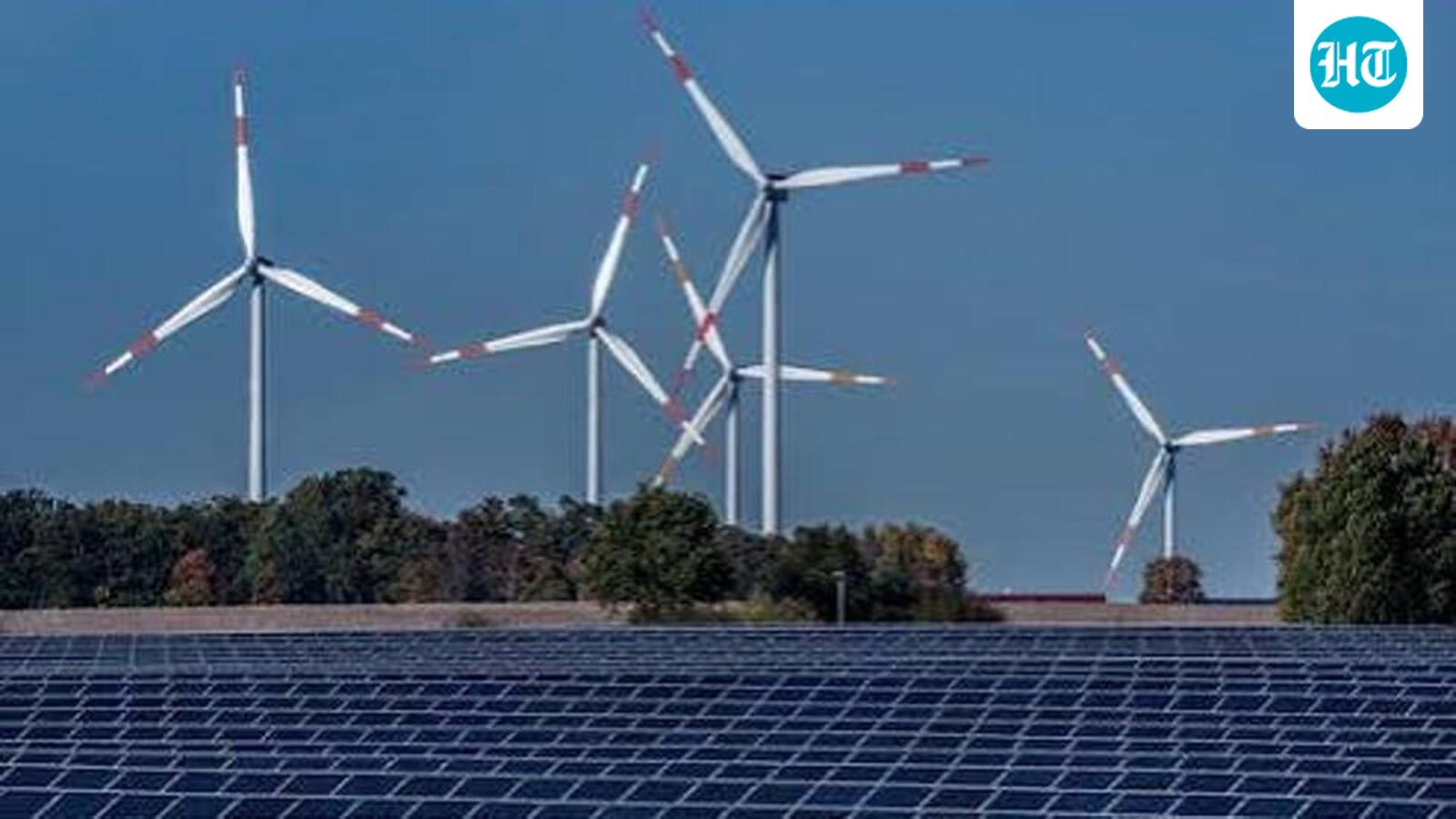
COP31 in Antalya has reached a stalemate as the EU and island nations clash with oil-producing countries over fossil fuel phase-out timelines. Despite the lack of a formal agreement, experts suggest that rising global renewable energy capacity will continue to drive the green transition regardless of the summit's outcome.
The COP31 Deadlock: A Geopolitical Climate Impasse
The climate negotiations at COP31 in Antalya have hit a significant roadblock, characterized by a fundamental disagreement between the European Union, its allies, and a coalition of oil-producing nations. The primary point of contention centers on the explicit language and timelines regarding the phase-out of fossil fuels. While the EU and a coalition of island nations are pushing for an uncompromising commitment to end fossil fuel reliance, a group led by Saudi Arabia has resisted the imposition of a rigid timeframe, leading to the circulation of three failed drafts and an eventual stalemate.
The Economic Burden and Geopolitical Friction
Beyond the environmental rhetoric, the conflict reflects deep-seated anxieties over the economic costs of the energy transition. Developing and emerging economies are demanding more robust climate finance mechanisms to offset the costs of shifting away from traditional energy sources. This tension is exacerbated by the broader geopolitical climate, notably Russia’s vocal opposition to Western green trade measures. Russia has characterized these policies as protectionist tools designed to disadvantage specific economies, further complicating the diplomatic landscape.
The Role of Host Nations and Regional Disputes
COP31, hosted jointly by Türkiye and Australia, has faced unique challenges due to the host nations' status as major fossil fuel consumers. This domestic context has added another layer of complexity to the negotiation process. Furthermore, the inclusion of peripheral political issues, such as disagreements involving Belarus, has hindered the consensus-building process, turning the summit into a theater where broader international rivalries are playing out under the guise of environmental policy.
Renewable Energy as an Independent Force
Despite the failure to reach a unified treaty in Antalya, there is a clear trend toward a green transition that exists independently of COP agreements. In 2025, renewable energy accounted for nearly 34% of the global energy mix. This suggests that the transition is being driven as much by market forces, technological innovation, and economic incentives as it is by international climate policy. The shift toward renewables has gained such momentum that it may persist even in the absence of a formal, legally binding consensus from the summit.
Future Implications and Outlook
The inability of COP31 to deliver a landmark deal highlights the persistent gap between climate ambition and geopolitical reality. If the summit fails to produce a unified agreement, it will likely serve as a reminder that international climate diplomacy is increasingly vulnerable to the shifting alliances of global politics. Moving forward, the global community must reconcile the demands for climate finance with the economic realities of fossil-fuel-dependent nations to avoid future gridlock.
Conclusion
While the stalemate at COP31 is a significant setback for multilateral climate cooperation, it does not necessarily signal the end of the global energy transition. The rise of renewable energy capacity remains a robust trend. However, the lack of a cohesive international framework risks creating a fragmented approach to climate action, leaving the most vulnerable nations without the necessary support to navigate the turbulent shift away from fossil fuels.
Multiple Citing Sources
Verification Required?