Iran's Fereydun Plan to defy US blockade: 14 tankers ready for showdown
Source Entity
ARYAN SINGH
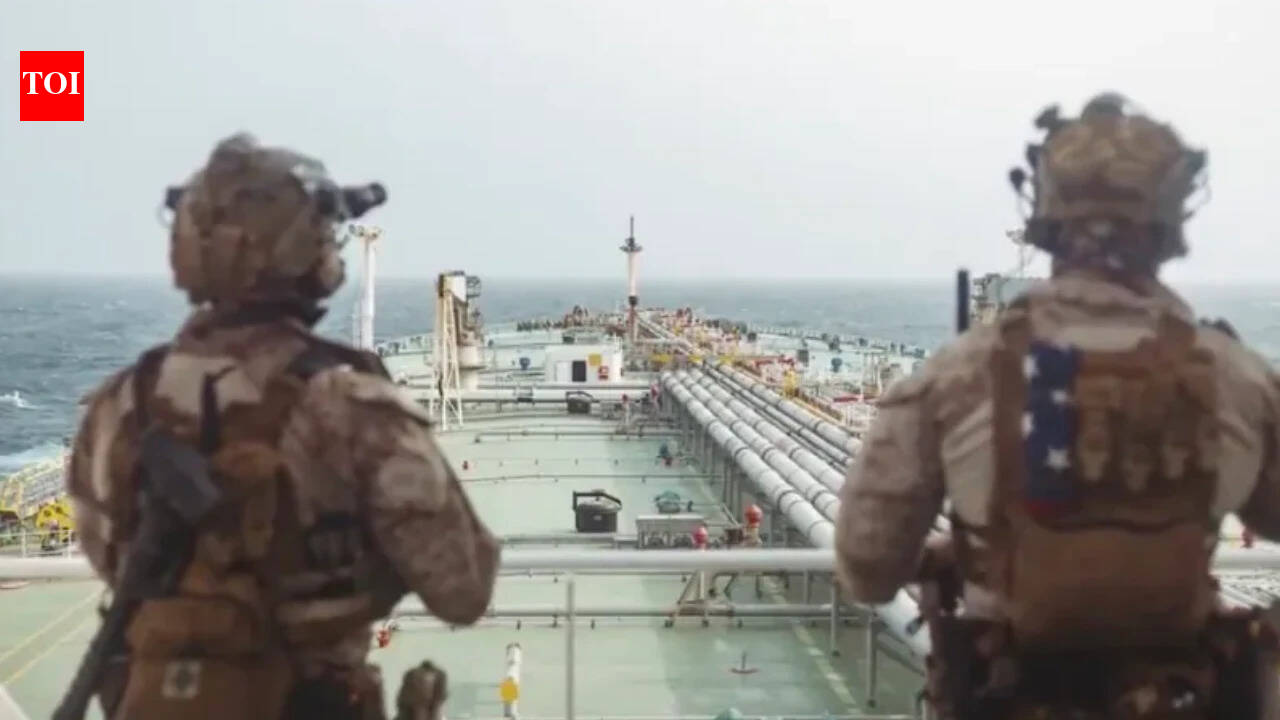
Iran is deploying a 14-tanker fleet to challenge U.S. naval blockades, threatening retaliatory strikes on regional energy infrastructure. This escalation, involving maritime, domestic, and military tensions, poses a significant risk to global energy security.
The Fereydun Plan: A High-Stakes Maritime Standoff
Recent reports indicate a significant escalation in the Persian Gulf as Iran prepares a fleet of 14 oil tankers to challenge the United States naval blockade. Centered around Kharg Island, this operation—referred to as the 'Fereydun Plan'—symbolizes a shift from passive defiance to an active, physical confrontation. By mobilizing this convoy, Tehran is testing the boundaries of U.S. maritime enforcement, potentially bringing Iranian vessels into direct contact with American naval forces patrolling the region.
The Strategic Threat to Regional Infrastructure
The implications of this operation extend beyond simple maritime logistics. Iran has explicitly warned that any attempt by the U.S. to intercept or impede these tankers will be met with retaliatory strikes against energy installations located throughout the Persian Gulf. This threat transforms the standoff from a localized naval dispute into a existential risk for regional energy security. If these installations were targeted, the resulting disruption to global oil supplies would be immediate and severe, affecting markets far beyond the immediate theater of operations.
The Three-Front Confrontation
Under the leadership of Supreme Leader Mojtaba Khamenei, the Iranian Revolutionary Guard Corps (IRGC) has framed this tension as a 'three-front' crisis. The first front involves the maritime challenge to the blockade; the second involves alleged U.S. efforts to fuel domestic unrest within Iranian borders; and the third involves a broader military readiness posture, including potential drone and missile contingencies. By linking these disparate issues, Tehran is signaling that it views its current conflict with the Trump administration as an all-encompassing struggle for national security and sovereignty.
Escalation Dynamics and Regional Stability
The involvement of the IRGC signifies that this is not merely a diplomatic spat but a calculated military maneuver. By weaving domestic concerns with external maritime operations, Iranian leadership is attempting to consolidate national resolve while pressuring the U.S. to reconsider its blockade policy. This strategy of 'asymmetric deterrence' relies on the threat of wide-scale disruption to discourage international intervention, creating a volatile environment where a single miscalculation could lead to a rapid escalation of hostilities.
Global Implications and Future Trends
The standoff between Tehran and Washington represents a critical test for international energy stability. As Iran utilizes satellite-tracked vessel movements and state media messaging to assert its defiance, the global community remains concerned about the potential for accidental conflict. Future trends suggest that if the Fereydun Plan proceeds, the Persian Gulf will likely see an increased naval presence from multiple international actors, heightening the risk of a military flare-up that could destabilize global commodity markets for the foreseeable future.