
Ownership of the Microscopic
Biology owns nothing. 99 percent of human DNA is shared across the species, yet corporations claim ownership of specific sequences. Patents turn living tissue into assets. Such processes happen in sterile rooms where skin cells become intellectual property. Legal frameworks often ignore the human source (Source: Moore v. Regents, 1990).
Money drives this hunger. 15 billion dollars flow into genomic sequencing annually (Source: Global Genomics Market, 2023). Labs in Mumbai and Lagos now compete for biological samples. These hubs process genetic data at speeds that outpace ethics boards. Control over a single cell line can generate endless royalties.
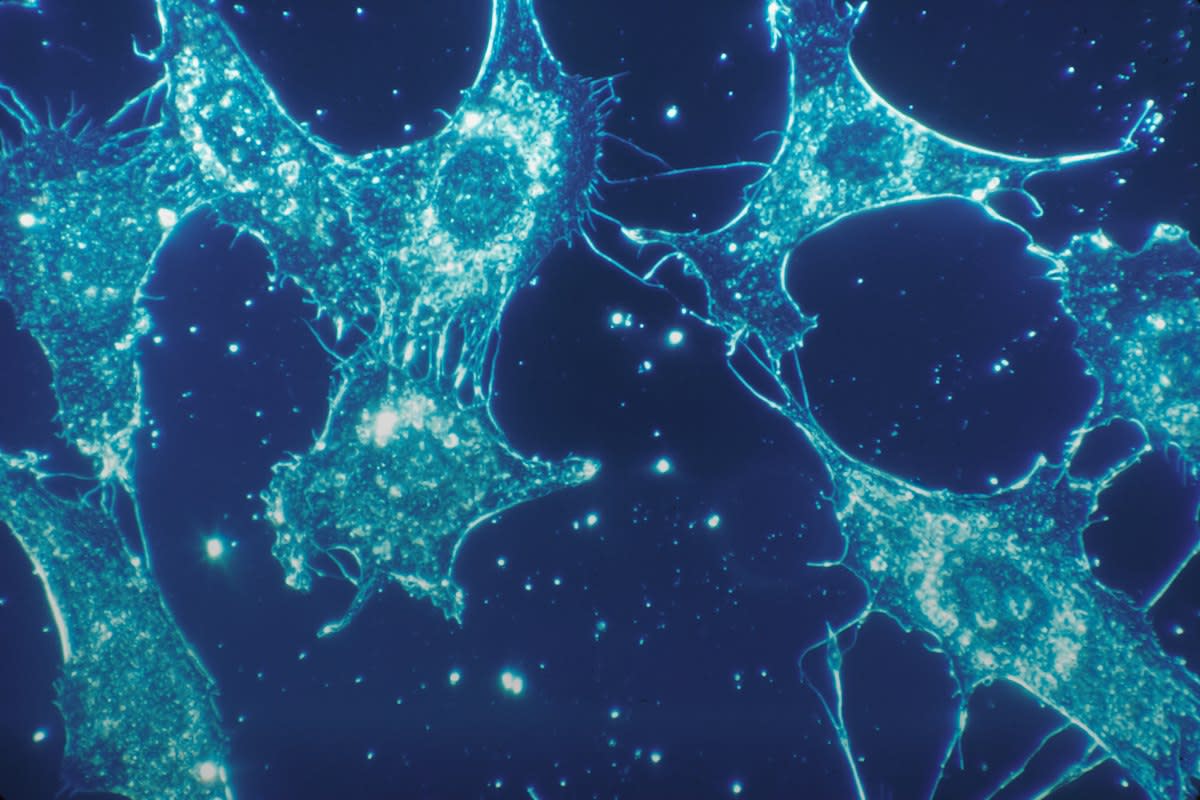
Lawsuits reveal the friction. Courts decided that cells removed from the body are no longer the property of the patient. John Moore discovered his spleen cells were used to create a lucrative cell line without his knowledge. He sued for a share of the profits. Judges ruled against him, stating that the cells were altered into something new. Such a decision established a precedent that stripped patients of their biological equity. It essentially told the world that once a cell leaves the skin, it belongs to the lab.
"Bodily tissue is not a mine for corporate extraction."— Bioethics Council, 2018
Reality on the ground feels sulfur-stinging. Researchers in Jakarta struggle with biopiracy where foreign firms take local samples. Such firms patent the genetic quirks of indigenous populations. Local doctors see the profit leave the country. It is a grit-choked cycle of extraction.
The Patent Machine
| Ownership Model | Control Entity | Primary Goal | Ethical Risk |
|---|---|---|---|
| Corporate | Private Firm | Profit Maximization | Biopiracy |
| Individual | Patient/Donor | Bodily Autonomy | Market Access |
| Open Source | Global Community | Rapid Innovation | Lack of Funding |
Corporate logic treats DNA as code. Code can be copyrighted. Such logic ignores the brine-soaked history of human evolution. Companies argue that without patents, investment in medicine would stop. They claim the risk of research justifies the monopoly.
Skeptics see a different story. Patent thickets prevent other scientists from studying the same genes. Such a system creates a neon-bleached version of progress where only the highest bidder wins. Research slows down when every sequence requires a license.
Lagos has become a center for this debate. Bio-tech startups there fight for local control over genetic data. They argue that African genomes are the most diverse on earth. Most patents are held in the US or Europe. Such disparity creates a wealth gap in biological knowledge.
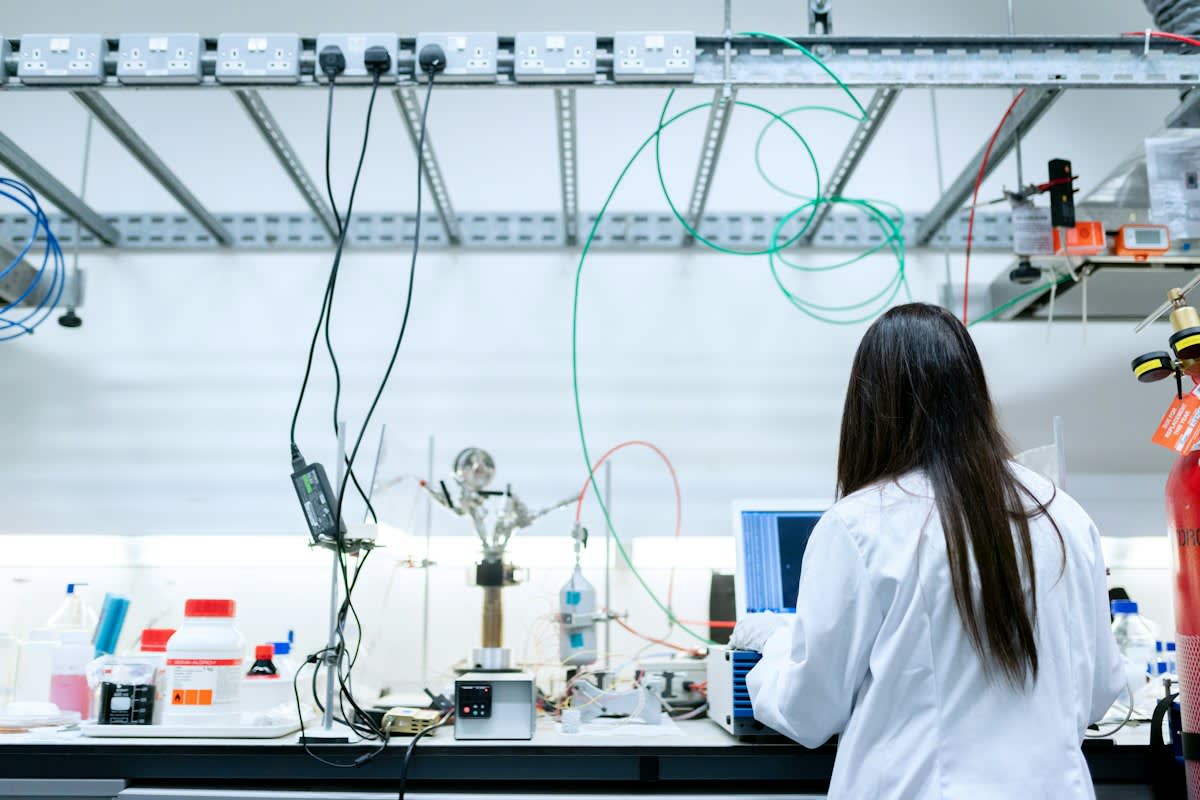
Practitioners face a daily grind. Lawyers argue over the definition of transformation. Does adding a growth medium to a cell make it a product? Such debates are static-heavy, filled with jargon designed to obscure the theft.
Failure Point
System failure occurs when consent is absent. Henrietta Lacks never knew her HeLa cells were being sold globally. Her family lived in poverty while her cells fueled a trillion-dollar industry. Consent forms are often zinc-flavored, tasting of desperation and fine print. Her cells became the first immortal human cell line, enabling the polio vaccine and gene mapping. Yet, her descendants saw no money. They saw only the coldness of medical bureaucracy.
Global laws are fragmented. Sao Paulo has different rules than Kinshasa. Such gaps allow jurisdiction shopping where firms take samples from countries with weak protections. Poverty makes the biological trade easier.
Ownership should return to the source. Open-source biology offers a way out. By sharing sequences, the monopoly breaks. Future medicine depends on transparency.
Mumbai houses some of the largest genomic databases in Asia. Researchers here face the pressure of rapid growth. Many samples come from rural populations who do not understand the concept of a patent. Such arrangements often feel oil-slicked, where the benefit to the donor is vague. Local laws are struggling to keep up with the speed of the sequencers.
Nairobi serves as a gateway for biological research in East Africa. Scientists there argue that genetic data is a sovereign resource. They fight against the export of raw DNA to Western labs. Such a struggle is grit-choked, fought in the hallways of government ministries. They demand a share of the intellectual property created from their citizens' blood.
Dhaka sees a rise in personalized medicine. Doctors use genetic markers to treat patients more effectively. However, the cost of these patented tests is prohibitive. Patients pay a premium for sequences that were originally derived from human populations. Such a reality creates a paradox where the source of the discovery cannot afford the cure.
Editorial Note
Corporate boardrooms feel oil-slicked, slippery with legal loopholes that allow the commodification of human life without fair compensation.
Fact-Check & Accuracy Note
All statistics regarding market valuations are based on 2023 industry reports. Legal precedents cited are from established US and International court records.