‘300+ calls and counting’: Saurav Das alleges Delhi Police leaked his number
Source Entity
RK LAXMI
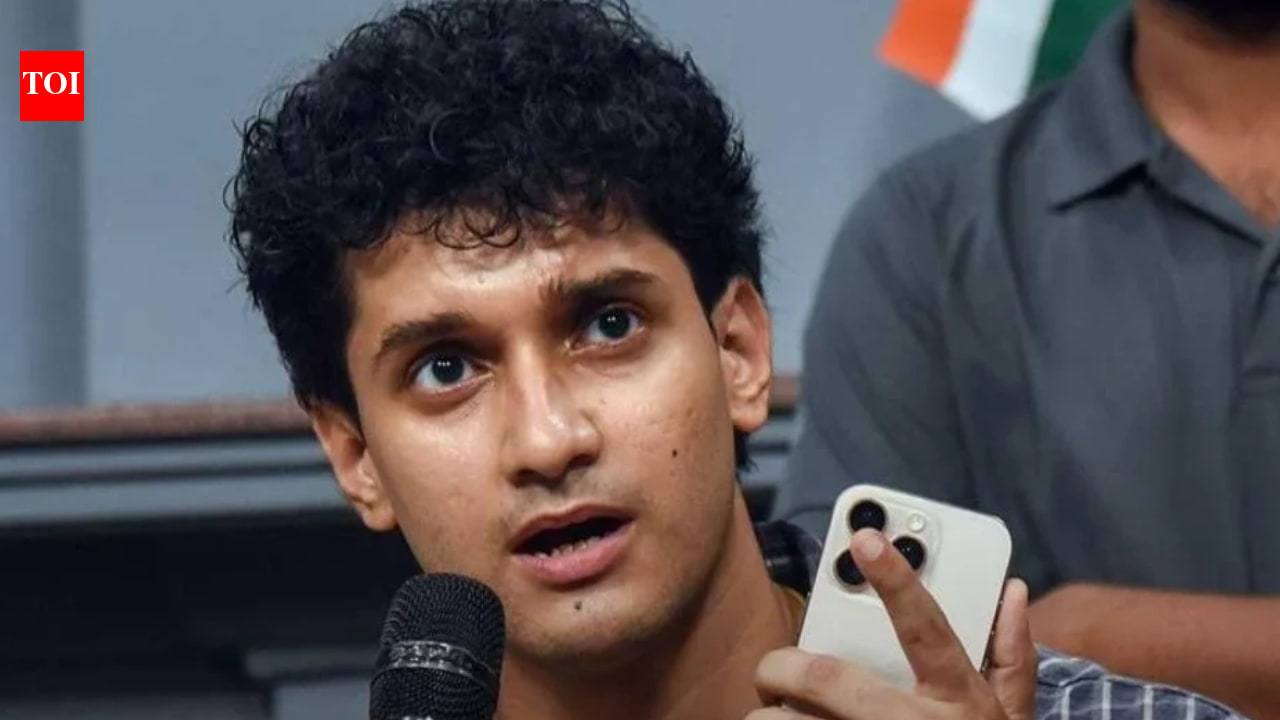
Saurav Das of the Cockroach Janta Party alleges the Delhi Police leaked his contact information, resulting in hundreds of harassing calls. This comes amid broader concerns of mass detentions ahead of a scheduled protest at Jantar Mantar.
Breach of Privacy and Political Tensions in Delhi
Saurav Das, acting as a spokesperson for the Cockroach Janta Party (CJP), has brought to light a significant security and privacy concern involving the Delhi Police. According to Das, his personal phone number was inadvertently exposed when the police circulated official documents concerning a previous protest and a subsequent rejection letter. The resulting fallout—over 300 calls and a barrage of WhatsApp messages within a single hour—highlights the vulnerability of political figures when their private data is mishandled by state authorities.
The Failure of Data Redaction Protocols
The core of this issue lies in the failure to observe basic data protection standards. Das has specifically criticized media organizations for failing to redact his contact information before disseminating these documents on social media platforms. When official documents are leaked or shared without proper sanitization, the individuals mentioned therein are often left exposed to harassment, doxxing, and potential security threats. This incident serves as a stark reminder of the ethical responsibilities held by both law enforcement agencies, who must ensure sensitive personal data is redacted before public release, and media houses, who act as the final gatekeepers of information.
Broader Implications of Mass Detention
This personal incident for Das occurs against a backdrop of heightened political instability, as the CJP claims that at least 10,000 individuals have been detained across India ahead of a planned protest at Jantar Mantar. The use of the term 'Emergency' by the party suggests a deep-seated concern regarding the narrowing space for civil dissent and public assembly. The correlation between the leak of a spokesperson's information and the mass detention of protesters points to a friction-heavy relationship between the state and opposition groups.
Historical Context of Protest Management
Historically, Jantar Mantar has served as a primary site for peaceful protest in the capital. The current preemptive measures taken by authorities to curb assembly reflect a broader trend of administrative caution, often criticized by activists as an overreach of police power. When such administrative actions are coupled with the accidental exposure of protest organizers' private information, it creates a chilling effect, potentially discouraging citizens from participating in democratic processes due to fear of harassment.
Future Trends and Accountability
Moving forward, the incident involving Saurav Das is likely to spark a debate on the digitalization of police records and the adequacy of current privacy laws in India. If political actors and citizens cannot trust that their personal information will be protected by the state, the legitimacy of administrative procedures will continue to be questioned. For the Cockroach Janta Party, this event has become a rallying point, framing the struggle not just as a policy disagreement, but as a fight for the protection of fundamental privacy and the right to organize without fear of state-facilitated exposure.