What’s on the agenda as Home Ministry meets Ladakh stakeholders this month?
Source Entity
Naveed Iqbal
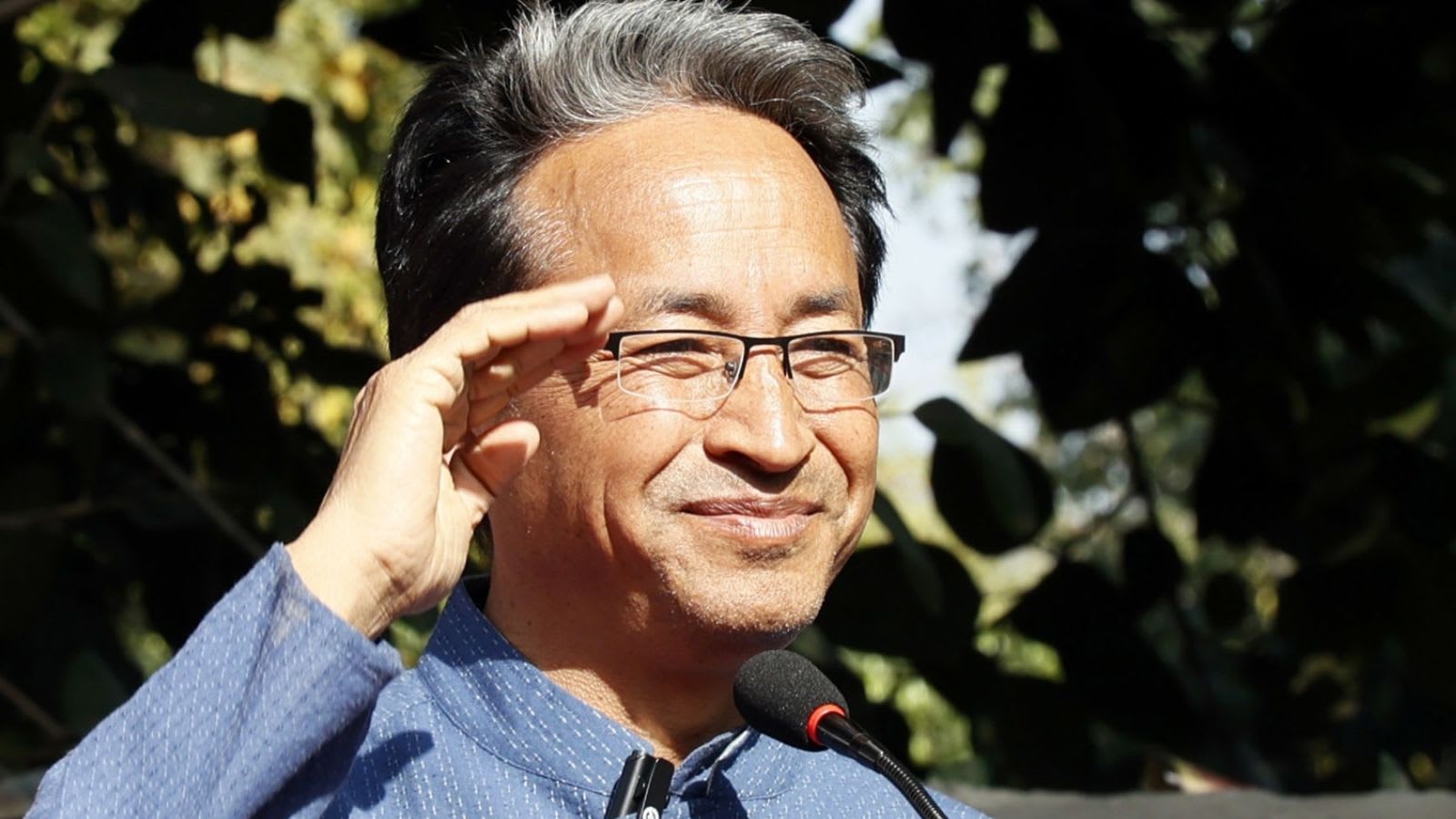
The Ministry of Home Affairs is set to meet with Ladakh representatives on October 15 to discuss a new governance model. The talks will focus on a unique constitutional amendment for an elected body and the division of powers with existing councils.
The Future of Ladakh’s Governance: A New Constitutional Chapter
The upcoming meeting between the Ministry of Home Affairs (MHA) and representatives from Ladakh, scheduled for October 15, marks a pivotal moment in the administration of the Union Territory. Following the dissolution of the special status of the former state of Jammu and Kashmir in 2019, Ladakh was carved out as a separate Union Territory without a legislature. The current dialogue represents a structured attempt to address the evolving political aspirations of the region's inhabitants.
The Proposed Governance Model
At the heart of these deliberations is a novel proposal for a governance structure that seeks to bypass the traditional binary of a standard state versus a legislature-less Union Territory. The Ladakh administration has suggested a unique arrangement that would necessitate a constitutional amendment. This move acknowledges that the unique socio-geographical and cultural landscape of Ladakh requires a bespoke legislative framework that can balance local autonomy with the overarching structure of the Indian Union.
Defining the Role of the Leh Apex Body and Kargil Democratic Alliance
The Leh Apex Body (LAB) and the Kargil Democratic Alliance (KDA) have been the primary catalysts for this movement. Their collective advocacy has forced a formal dialogue with the MHA, moving the conversation from street-level agitation to the negotiation table. The MHA's recent request for clarification on specific governance principles highlights the complexity of integrating these bodies into a new, constitutionally recognized framework.
Power Allocation and the LAHDCs
A critical challenge for the October 15 meeting is defining the interplay between the proposed new UT-level elected body and the existing Ladakh Autonomous Hill Development Councils (LAHDCs). The MHA is seeking clarity on the 'principles' that will govern this power-sharing agreement. Establishing a clear hierarchy and division of administrative jurisdiction is essential to avoid bureaucratic gridlock and ensure that the new body effectively serves the needs of both the Leh and Kargil districts.
Constitutional Implications and Parliamentary Approval
Because the proposed governance model requires an amendment to the Constitution, the process will ultimately depend on the legislative will of the Parliament of India. This elevates the regional demands of Ladakh to a national legislative priority. The success of these talks will likely set a precedent for how the Union government handles regional autonomy demands in other parts of the country, moving away from a 'one-size-fits-all' approach to governance.
Looking Ahead: Stability and Regional Representation
The outcome of these negotiations will be a litmus test for the government's commitment to decentralized governance in sensitive border regions. By pursuing a middle path that provides an elected voice to the people of Ladakh without creating a full-fledged state, the central government is attempting to stabilize the region's political climate. Future trends suggest that if this model succeeds, it could serve as a blueprint for governance in other geographically isolated or culturally distinct territories within India.