Stone Pelting Reported at Delhi’s CP Amid CJP Protest Against CEC Gyanesh Kumar
Source Entity
Latest News: Todays Latest News Headlines from India & World | Hindustan Times | Hindustan Times
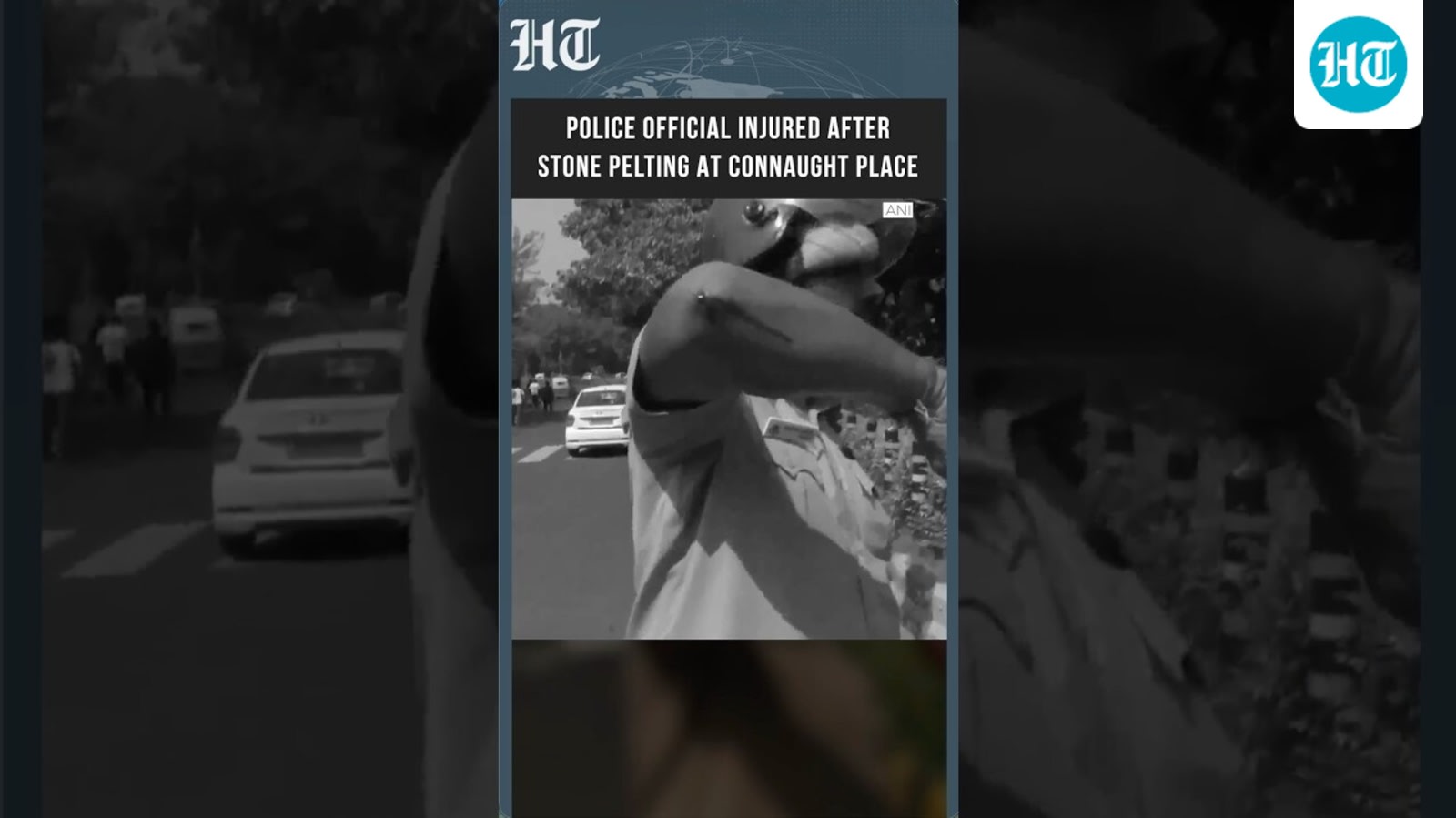
A protest in New Delhi by the Cockroach Janta Party against CEC Gyanesh Kumar escalated into violence, resulting in police injuries and over 400 detentions. The security lockdown severely disrupted the livelihoods of migrant daily wage workers unable to access their workplaces.
Unrest in the Capital: The CP Protest Escalation
On October 10, 2026, the heart of New Delhi became the site of significant civil unrest as the Cockroach Janta Party (CJP) organized a demonstration targeting Chief Election Commissioner (CEC) Gyanesh Kumar. What began as a political protest quickly devolved into a security crisis at Connaught Place, where reports of stone-pelting were confirmed. The volatility of the situation necessitated a heavy-handed response from law enforcement, leading to the injury of at least one police official tasked with maintaining order in the national capital.
Security Measures and Mass Detentions
The scale of the protest prompted an extensive security operation. Authorities deployed specialized units, including the 'Pink Force,' and utilized body cameras to monitor the crowd and document potential criminal activity. The effectiveness of these measures was reflected in the swift containment of the situation, with over 400 protesters detained by security personnel. This massive influx of detainees highlights the intensity of the confrontation and the authorities' determination to prevent the protest from spiraling further out of control in such a high-traffic commercial hub.
Impact on the Working Class
The security lockdown, intended to neutralize the threat posed by the CJP protest, created significant collateral damage for the city's vulnerable workforce. Migrant daily wage laborers and service staff employed in Khan Market and surrounding areas found themselves unable to reach their workplaces. Barricades erected at Nizamuddin effectively severed access to central Delhi, leaving workers stranded and unable to prove their identity to security personnel due to a lack of formal documentation.
The Human Cost of Security Protocols
Personal accounts from individuals such as Devender Chauhan illustrate the frustration caused by these stringent measures. Despite wearing uniforms or carrying keys to business establishments, many workers were denied entry, causing a direct loss of income and operational disruption for small shops. This situation underscores the friction between maintaining public order during political demonstrations and ensuring the mobility of the city’s essential workforce, who often operate in the informal economy without the safety net of formal corporate identification.
Broader Implications and Future Trends
This incident at Connaught Place serves as a microcosm of the challenges facing urban governance in India. The intersection of political dissent, security concerns, and the economic reality of daily wage earners creates a complex environment for law enforcement. As cities like Delhi become frequent stages for political grievances, the reliance on high-tech surveillance, such as body cameras and specialized police units, is likely to increase. However, the struggle to balance these security needs with the economic rights of marginalized workers remains a persistent issue that requires more nuanced crowd management strategies in the future.
Multiple Citing Sources
Verification Required?