The Erosion of Passive Proximity
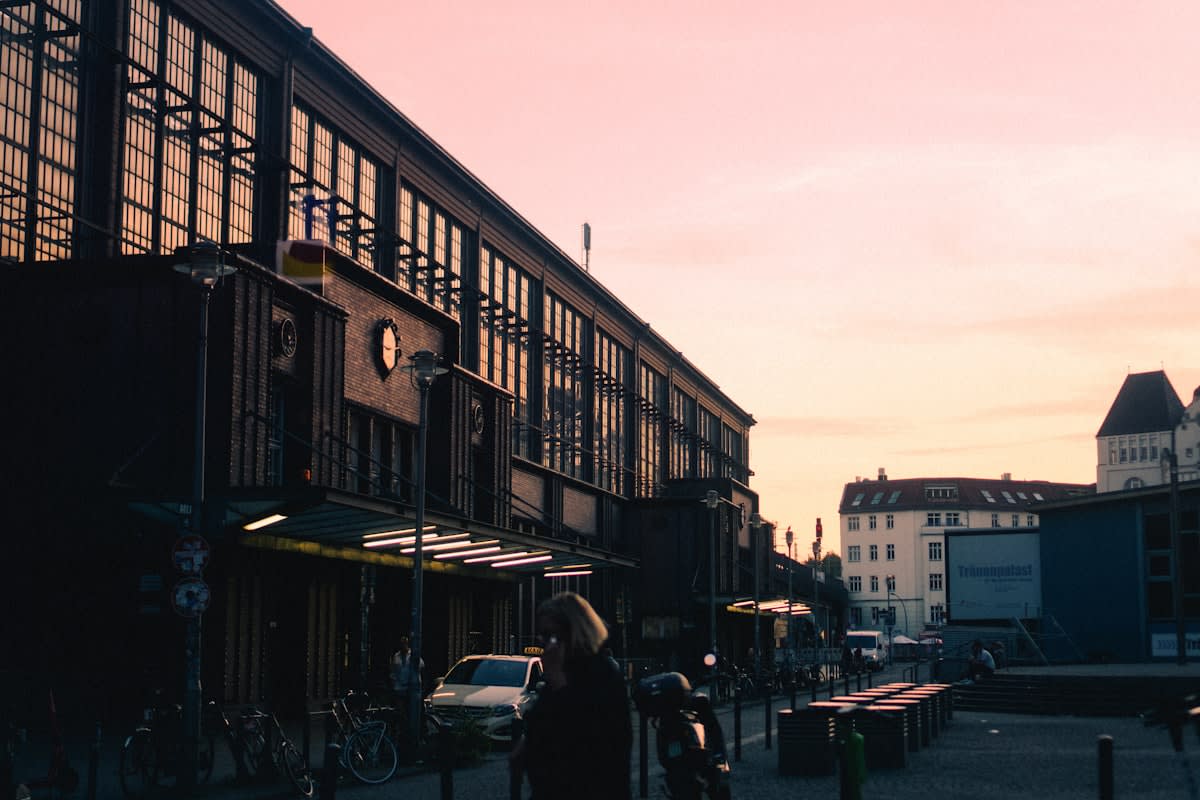
For decades, the 'Third Place'—those anchors of community life outside of home and work—served as the social glue of urban existence. Think of the neighborhood pub in London, the coffee house in Vienna, or the plaza in Mexico City. These were spaces of passive proximity, where you encountered people not because you scheduled a meeting, but because you existed in the same geography. That era is ending. The physical infrastructure of the Third Place is being dismantled by skyrocketing commercial rents and the relentless optimization of urban space for transit rather than lingering.
The delta between our social habits today and those of just eighteen months ago is staggering. We have moved from a 'recovery phase' post-pandemic—where people desperately sought any public gathering—to a 'curation phase.' People are no longer satisfied with the thin soup of generic public interaction. Instead, there is a visible pivot toward high-signal environments. Why spend four hours in a noisy cafe hoping for a meaningful encounter when you can join a vetted, invitation-only collective of practitioners or enthusiasts?
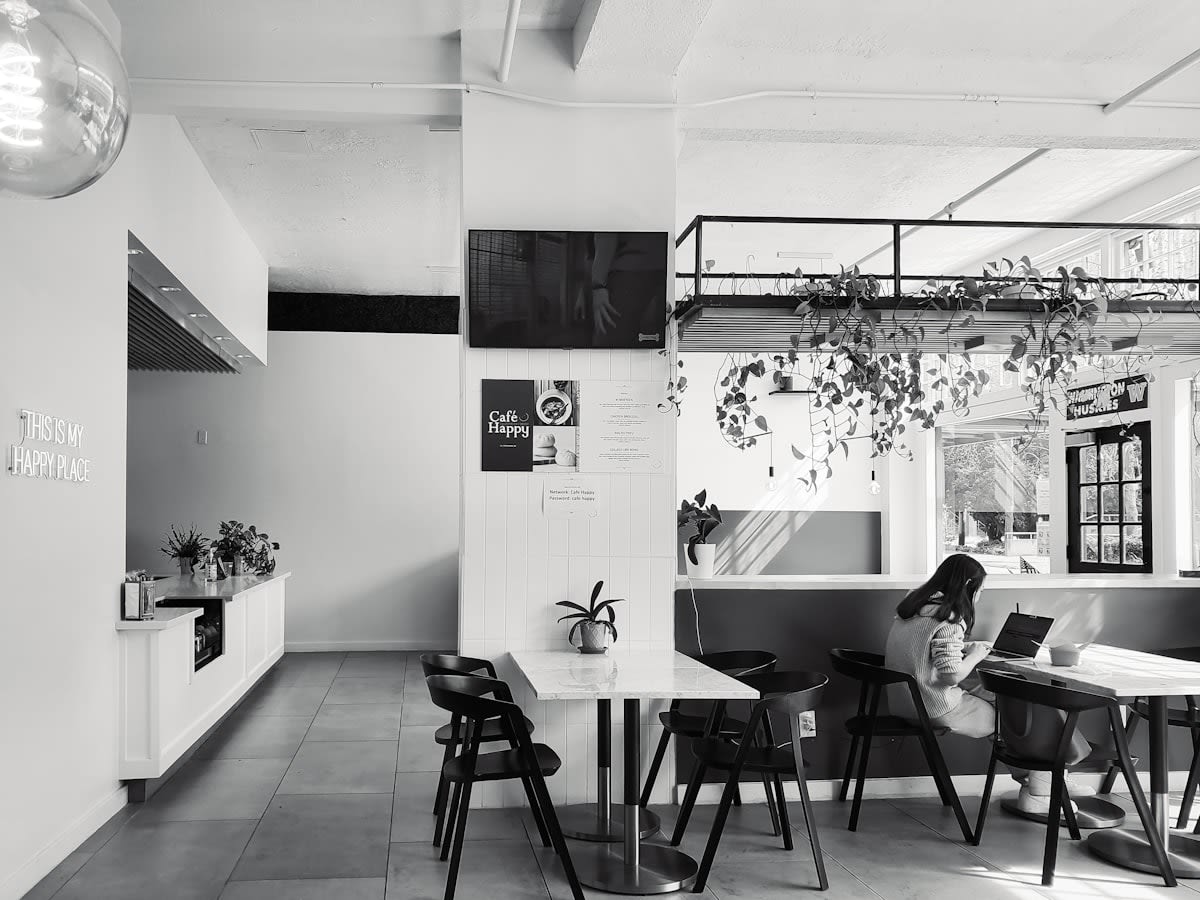
This isn't just a Western phenomenon. In Seoul, the traditional 'PC Bang' is evolving from a gaming hub into a specialized social node for specific digital subcultures. In Lagos, the rise of private member clubs is mirroring a global trend: the privatization of belonging. The common thread is a rejection of the 'open-to-all' model, which many now perceive as low-trust and high-friction. We are witnessing the death of the generalist social space and the birth of the specialist sanctuary.
The Architecture of Intentionality
Intentional micro-communities differ from traditional social clubs in one critical way: the barrier to entry is based on shared values or specific goals rather than just geography or wealth. These are small, tight-knit groups—often capped at 150 people, adhering to Dunbar's Number—that operate across hybrid planes. They might meet in a rented warehouse in Berlin one month and coordinate via a private Discord server for the other twenty-nine days. This hybridity allows for a level of intimacy that the traditional Third Place could never sustain.
"The shift we are seeing is a move from 'accidental community' to 'architected community.' People are now treating their social circles with the same intentionality they apply to their professional portfolios."— Dr. Elena Rossi, Urban Sociologist at the European University Institute
Consider the rise of 'micro-salons' in Tokyo, where professionals gather in small, curated groups to discuss specific philosophical or technical problems. These are not networking events. They are high-trust zones. According to a 2023 report on social connectivity, the perceived value of 'deep-dive' interactions has increased by 40% among Gen Z and Millennials compared to the previous year (Source: Pew Research Center, 2023). The hunger for depth is overriding the desire for breadth.
| Feature | The Traditional Third Place | Intentional Micro-Communities |
|---|---|---|
| Entry Barrier | Low (Open to public) | High (Vetted/Value-aligned) |
| Primary Driver | Geographic Proximity | Shared Intent/Identity |
| Interaction Type | Passive/Serendipitous | Active/Curated |
| Stability | Static Location | Fluid/Hybrid |
This transition creates a fascinating tension for those of us who build these spaces. On the ground, the debate isn't about whether these communities should exist, but how to prevent them from becoming echo chambers. In my experience coordinating these hubs, the real friction arises when a micro-community grows too large. Once you hit that critical mass, the 'high-trust' feeling evaporates, and the group begins to mirror the very sterility of the public spaces they sought to escape. The challenge is maintaining the 'small-room feel' in a globalized world.
The Economics of Belonging
We are seeing the monetization of belonging. As the state and the market fail to provide free, high-quality social infrastructure, people are paying for it. This has given rise to the 'Community-as-a-Service' (CaaS) model. From subscription-based social clubs to paid mastermind groups, the financial barrier often acts as a filter for commitment. When people pay to belong, they are more likely to contribute actively to the community's health.
The data supports this shift toward paid intimacy. Recent industry analysis suggests that the 'loneliness economy'—products and services designed to combat social isolation—is seeing a compound annual growth rate of over 7% (Source: Deloitte Digital, 2024). However, the most successful ventures aren't the ones selling 'connection' as a commodity, but those facilitating the infrastructure for people to build their own micro-communities.
- Vetting processes replace open doors to ensure psychological safety.
- Hybrid operational models combine digital coordination with physical 'peak experiences'.
- Shared rituals replace generic social norms to strengthen group identity.
- Capped membership prevents the dilution of trust and intimacy.
Does this mean the end of the 'random encounter'? Perhaps. But it replaces the randomness of location with the randomness of shared interest. Instead of meeting a stranger because you both live on the same street in Brooklyn, you meet a stranger because you both obsess over 1970s brutalist architecture and live in different hemispheres. The scale has shifted from the neighborhood to the niche.
Resilience Through Specialization
The rise of these communities is a resilience strategy. In an era of extreme political polarization and digital noise, the micro-community acts as a shock absorber. It provides a sanctuary where individuals can be vulnerable without the fear of public performance or algorithmic judgment. These spaces are not about escaping reality, but about finding a manageable slice of it.
Looking ahead, the most successful urban environments will be those that integrate these micro-communities into the city fabric. Rather than fighting the trend toward privatization, city planners should consider 'modular' public spaces that can be temporarily claimed by these intentional groups. The goal is to create a symbiotic relationship between the open city and the closed circle.
Fact-Check & Accuracy Note
Key claims regarding the increase in value for 'deep-dive' interactions are sourced from the Pew Research Center (2023), and the growth of the loneliness economy is attributed to Deloitte Digital (2024). The concept of the 'Third Place' is based on the foundational work of Ray Oldenburg. There remains an ongoing debate among sociologists regarding whether the privatization of social spaces exacerbates class divides.
Editorial Note
This piece was written from the perspective of a global news anchor reporting on societal shifts. The analysis focuses on the transition from passive to active community building, emphasizing adaptation over crisis.