
Most people view a transit hub as a place of waiting, a liminal space where the goal is comfort. This is a fundamental misunderstanding of systemic flow. From a practitioner's perspective, any moment a vessel, vehicle, or aircraft spends stationary beyond its scheduled window is not 'waiting'—it is a failure of design. When we design for zero lingering, we aren't trying to be hostile; we are fighting the physics of congestion. A hub that encourages lingering is a hub that invites systemic collapse, whether that manifests as a port-side bottleneck or a catastrophic runway incursion.
Prerequisites for High-Velocity Design
Before attempting to optimize a hub, you need more than just a map of the facility. You need a rigorous data set that tracks longitudinal measurements—repeated measurements over time in the same system to reveal its natural behavior. Without this, you are reacting to anomalies rather than solving systemic trends. You also need a clear understanding of your throughput targets, such as the projected capacity of infrastructure like the Pinglu Canal, which is designed to handle 89 million tons a year by 2026 (Source: Mordor Intelligence, 2025).
- Longitudinal system behavior data to identify natural flow patterns.
- Precise throughput targets (e.g., tons per year or movements per hour).
- A map of theoretical vs. real-world communication dead spots.
- Current cycle time metrics for door-to-door transit.
Implementing the Non-Lingering Logic
The goal is to convert every square meter of the hub from a 'destination' into a 'conduit.' If an asset lingers, it creates a ripple effect that degrades the entire network. In maritime contexts, this is the difference between a thriving port and one suffering from chronic infrastructure bottlenecks, which can result in a -1.1% impact on CAGR forecasts (Source: Mordor Intelligence, 2025). To prevent this, we apply a four-step implementation process.
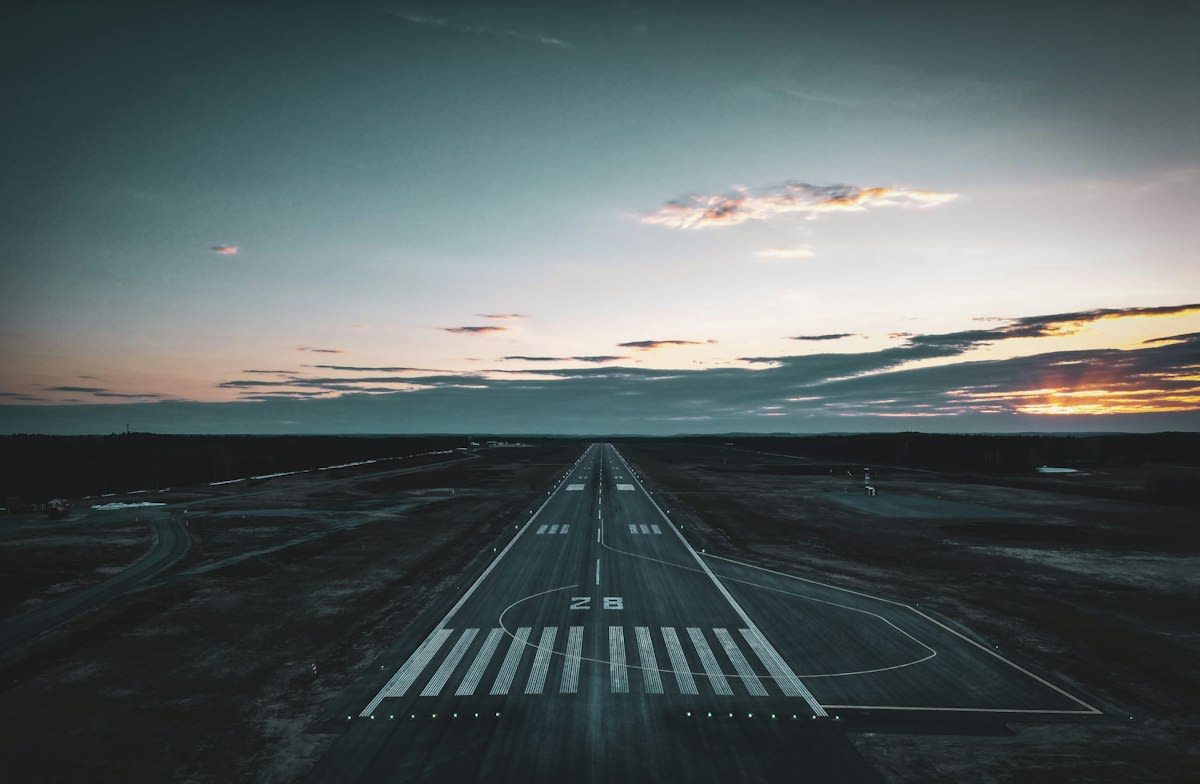
- Eliminate Decision Friction: Reduce the cognitive load on operators. In aviation, poor design leads to cognitive tunneling, where pilots focus on one task while ignoring critical warnings. Design the hub so the correct path is the only intuitive path, preventing aircraft from lingering in unauthorized zones or crossing runways like 34R and 34L incorrectly (Source: ATSB, 2026).
- Automate the Variance: Human operators introduce variance in timing. To solve this, implement unmanned terminals. Shanghai's blueprint of 18 fully unmanned terminals is a prime example, as it cuts the variance of crane moves per hour and sets new benchmarks for berth productivity (Source: Mordor Intelligence, 2025).
- Compress the Cycle: Move away from massive, slow-moving shipments toward hub-and-spoke shuttles. By contracting regional specialists, mainline carriers can compress door-to-door cycles by two to four days, effectively removing the 'lingering' phase of the logistics chain (Source: Mordor Intelligence, 2025).
- Audit the Environmental Frictions: Theoretical calculations often fail in the field. You must identify 'radio dead spots' or localized interference caused by vegetation or temporary obstacles that theoretical VHF line-of-sight models ignore (Source: ATSB, 2026). If a pilot or operator cannot communicate, they linger; if they linger, the system stalls.
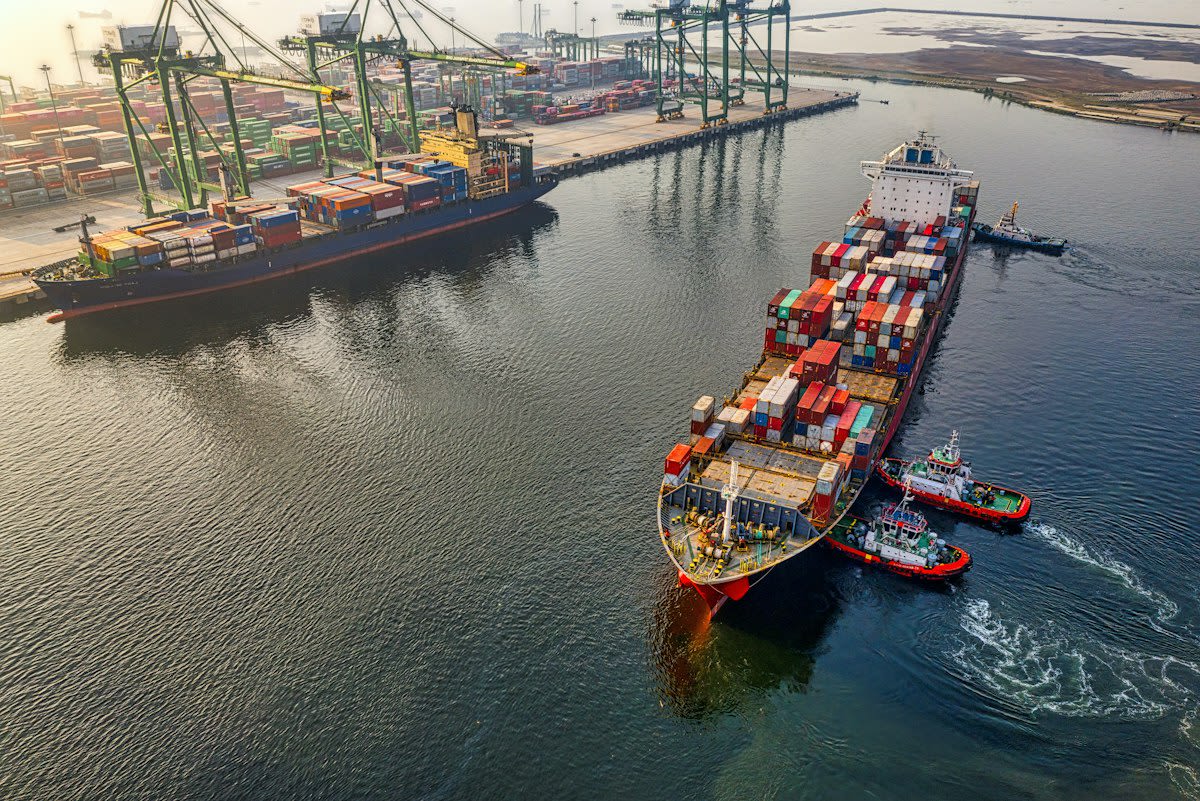
Why does this matter globally? Look at the Asia-Pacific region, which commands a 37.65% share of the maritime freight transport market as of 2025 (Source: Mordor Intelligence, 2025). With a projected CAGR of 5.02% through 2031, the volume of assets moving through these hubs is increasing. At this scale, a ten-minute delay in a single berth isn't a nuisance—it's a systemic risk that can cascade across the entire intra-regional trade network.
The Practitioner's Reality: Theory vs. Friction
In the boardroom, we talk about 'optimized flow' and 'digital twins.' On the ground, the reality is much messier. I have sat in meetings where the theoretical VHF communication models looked perfect on a screen, only to find out that a newly planted row of trees or a temporary shipping container had created a radio dead spot. This is the invisible friction of hub design. When communication breaks down, operators hesitate. That hesitation is where 'lingering' begins. The internal debate is always between the cost of over-engineering the infrastructure versus the risk of a runway incursion or a berth bottleneck. Most managers under-invest in the 'invisible' environmental factors until an accident occurs.
"The airport design required international aircraft landing or departing on runway 34R to cross runway 34L. Domestic aircraft departing from runway 34L had to cross 34L to access the full length of the runway."— ATSB, Report on Runway Incursions
This specific design requirement highlights the danger of 'forced lingering.' When the physical layout requires an asset to cross another active path, you create a point of high tension. If the design doesn't explicitly prevent lingering at that intersection, you are essentially designing for a collision. The goal of a modern hub is to eliminate these crossings entirely or automate them to the point where human error—and the resulting hesitation—is removed from the equation.
Quantifying the Cost of Stagnation
| Friction Factor | Systemic Impact | Mitigation Strategy |
|---|---|---|
| Port-side Infrastructure Bottlenecks | -1.1% impact on CAGR (Source: Mordor Intelligence, 2025) | Unmanned Terminal Automation |
| Runway Incursions/Crossings | High risk of collision (Source: ATSB, 2026) | Intuitive Path Design/Removal of Crossings |
| Communication Dead Spots | Operator hesitation/Lingering (Source: ATSB, 2026) | Environmental Field Audits |
| Door-to-Door Cycle Lag | 2-4 day delay in delivery (Source: Mordor Intelligence, 2025) | Hub-and-Spoke Shuttle Integration |
The data is clear: efficiency is not a luxury; it is the primary driver of economic competitiveness. When we see the Asia-Pacific region diversifying growth away from Western demand cycles, it is because they are investing in the infrastructure that prevents lingering. Projects like the Pinglu Canal are not just about digging a hole in the ground; they are about removing the bottlenecks that cause assets to stagnate (Source: Mordor Intelligence, 2025).
Common Pitfalls in Hub Optimization
Many designers make the mistake of optimizing for the 'average' flow rather than the 'worst-case' friction. They rely on theoretical models for communication and visibility, ignoring the real-world environmental factors that lead to cognitive tunneling. Another common error is focusing on the hub itself while ignoring the feeder loops. If your hub is a high-velocity conduit but your regional shuttles are slow, you have simply moved the lingering problem further down the line.
- Over-reliance on theoretical VHF line-of-sight calculations.
- Ignoring the 'last mile' or 'feeder loop' bottlenecks.
- Failing to use longitudinal measurements to track system behavior over time.
- Designing layouts that force assets to cross active paths.
Fact-Check & Accuracy Note
The claims regarding maritime market shares, CAGR impacts, and the Pinglu Canal capacity are sourced from Mordor Intelligence (2025). Data regarding runway incursions and communication dead spots are sourced from the Australian Transport Safety Bureau (ATSB, 2026). There is ongoing industry debate regarding the balance between full automation and human oversight in critical transit nodes.