The Myth of the Agglomeration Effect
For decades, the governing logic of the global economy was agglomeration. The belief was simple: to be at the top of your game in finance, tech, or the arts, you had to be physically present in a Tier 1 mega-city. New York, London, Tokyo, and Singapore weren't just locations; they were filters. They concentrated talent, capital, and serendipity into a few square miles, creating a feedback loop that made these cities indispensable. But the magnet is losing its pull. The very density that once fueled innovation has become a liability, manifesting as prohibitive living costs, systemic congestion, and a crushing pace of life that leads to rapid burnout.
Why is this happening now? It is not merely a reaction to a global health crisis or the temporary adoption of remote work. We are witnessing a fundamental decoupling of productivity from geography. When the cost of maintaining a presence in a mega-city exceeds the marginal benefit of the networking it provides, the rational actor migrates. This is a systemic shift in the value proposition of urban living. The creative class—those who trade in ideas, code, and design—no longer requires the permission of a central hub to access global markets.

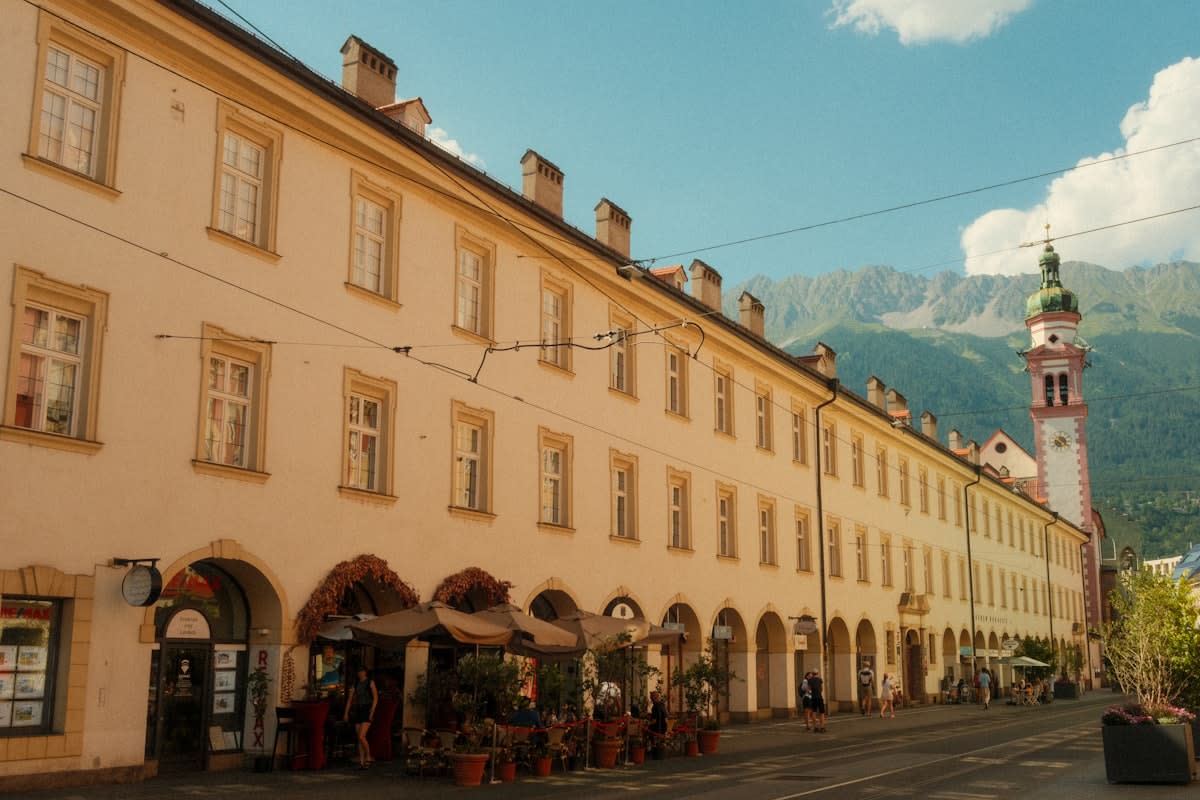
This migration is not a flight to the wilderness, but a strategic move to 'Secondary Hubs.' These are cities like Lisbon, Austin, Medellín, or Chiang Mai—places that offer 'lifestyle arbitrage.' By earning a global salary while spending in a local economy with a lower cost of living, the creative professional transforms their financial trajectory. According to the OECD's 2023 Regional Outlook, the growth of digital infrastructure in mid-sized cities has reduced the 'productivity gap' between primary and secondary urban centers by nearly 15% in developed economies (Source: OECD, 2023).
Is this just a trend for freelancers? Hardly. We are seeing a migration of entire ecosystems. Venture capital firms are increasingly funding founders who operate out of 'satellite hubs' rather than insisting on a Palo Alto address. The friction that once existed in remote collaboration has been smoothed over by an evolved tech stack. The debate has shifted from 'Can we work remotely?' to 'Why would we ever go back to a two-hour commute in a concrete jungle?'
The Mechanics of Lifestyle Arbitrage
Lifestyle arbitrage is the primary engine driving this exodus. It is the calculated decision to optimize for quality of life without sacrificing career velocity. In a mega-city, a significant portion of a high earner's income is consumed by 'survival costs'—rent, transportation, and basic services. In a secondary hub, that same income buys a home, a studio, and the time to actually create. This creates a paradoxical increase in productivity; when the stress of survival is removed, the capacity for deep work expands.
"The traditional city was a machine for networking. The new hub is a machine for living. We are seeing a transition from the 'City of Ambition' to the 'City of Balance,' where the metric of success is no longer proximity to power, but the autonomy over one's time."— Dr. Elena Rossi, Urban Strategist at the Global Cities Initiative
Consider the shift in European talent flows. While Paris and London remain financial anchors, there is a quiet but steady stream of designers and developers moving to cities like Valencia or Lisbon. These cities provide a Mediterranean climate, a lower cost of entry for real estate, and a growing community of like-minded expatriates. This isn't a retirement move; it is a strategic repositioning. The result is a distributed network of excellence that challenges the old monocentric model of urban development.
| Metric | Mega-City (Tier 1) | Secondary Hub (Tier 2) |
|---|---|---|
| Cost of Living Index | Extreme / Prohibitive | Moderate / Competitive |
| Talent Concentration | Hyper-Concentrated | Distributed / Specialized |
| Primary Value Prop | Prestige & Network | Autonomy & Quality of Life |
| Infrastructure Focus | Legacy / High-Density | Agile / Digital-First |
| Burnout Rate | High (Systemic) | Moderate (Balanced) |
The systemic impact of this shift is profound. When the 'creative class' leaves, they take more than just their spending power; they take the intellectual capital that fuels urban renewal. Mega-cities are now facing a 'hollowing out' of the middle-management and creative tiers, leaving behind only the ultra-wealthy and the service class. This creates a social fragility that makes these cities less resilient to economic shocks.
The Practitioner's Reality: Beyond the Hype
Having spent years advising municipal governments and corporate real estate firms, I have seen the internal friction this causes. In boardroom meetings, the 'old guard' still argues that serendipity—the chance encounter in a hallway or a cafe—is the only way true innovation happens. They view the migration to secondary hubs as a loss of 'creative friction.' But on the ground, the reality is different. The practitioners I talk to—the lead engineers, the creative directors—argue that the 'friction' of the mega-city was actually a distraction. They debate the 'deep work' versus 'shallow networking' trade-off, and increasingly, deep work wins.
The real struggle now is not about where people can work, but how cities compete for them. Secondary hubs are no longer just offering cheap rent; they are competing on 'soft infrastructure.' This includes high-speed fiber, co-working ecosystems, and quality education for the children of digital nomads. The competition has shifted from attracting corporations to attracting individuals. If a city can attract 500 high-tier developers, the companies will eventually follow the talent, not the other way around.
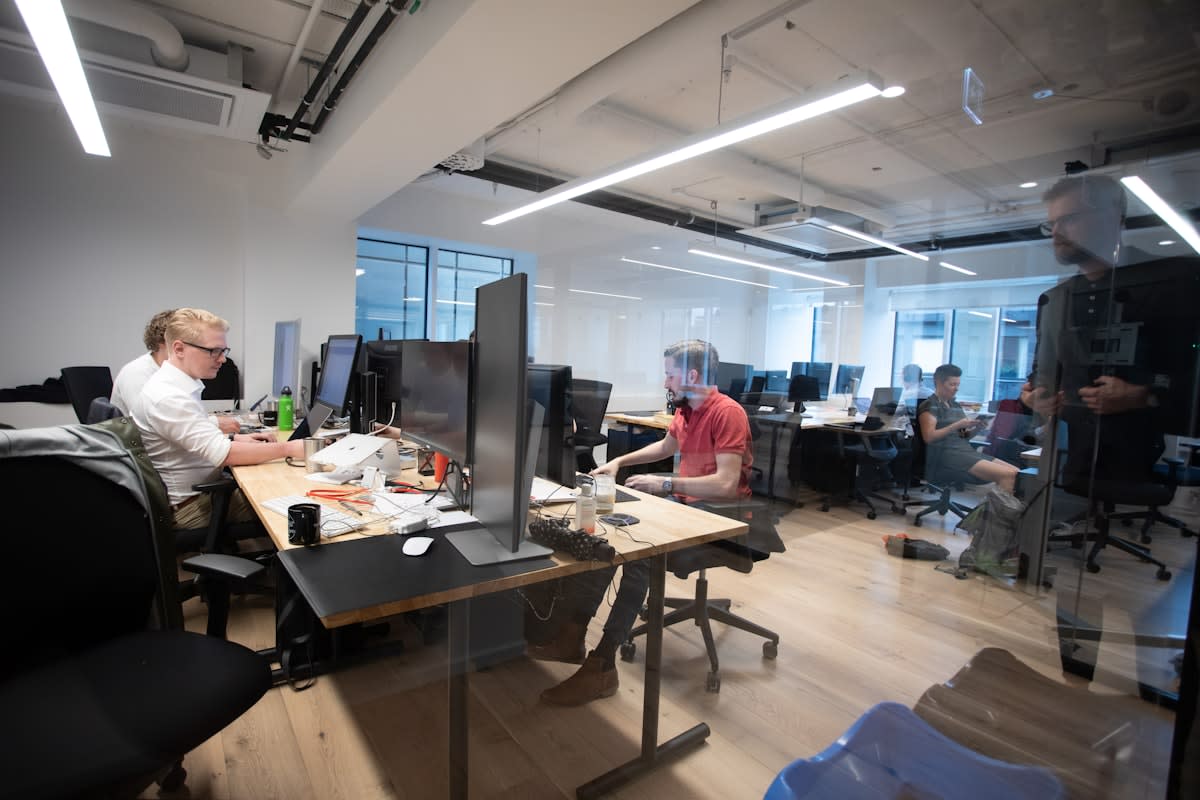
This shift is also redefining the concept of the 'commute.' We are seeing the rise of the 'hub-and-spoke' lifestyle, where professionals spend 80% of their time in a secondary hub and 20% in a mega-city for high-intensity networking events or board meetings. This hybridity allows for the benefits of both worlds: the focus of the periphery and the energy of the center. It is a sophisticated adaptation to a world where physical presence is a choice, not a requirement.
Systemic Implications for the Future of Urbanism
The long-term result of this migration is the emergence of 'Networked Urbanism.' Instead of a few dominant poles, we are moving toward a constellation of specialized hubs. One city might become the global center for biotech, another for sustainable architecture, and another for digital art, regardless of their size or historical prestige. This decentralization reduces the systemic risk of a single-city collapse and distributes economic growth more equitably across regions.
- Decentralization of Intellectual Capital: Talent is no longer gated by the cost of a Manhattan apartment.
- Real Estate Correction: Tier 1 cities must pivot from corporate leasing to residential innovation to remain viable.
- Regional Economic Booms: Mid-sized cities are experiencing unplanned growth in service and luxury sectors driven by high-earning migrants.
- The Death of the 9-to-5: The migration to hubs is inextricably linked to the rise of asynchronous work cultures.
As we look toward the next decade, the winners will be the cities that recognize this shift early. The cities that try to force a return to the 2019 status quo will find themselves with empty office towers and a stagnant talent pool. The cities that embrace the 'Secondary Hub' identity—by investing in digital nomads, flexible zoning, and quality of life—will become the new centers of gravity. The magnet hasn't disappeared; it has simply fragmented.
Fact-Check & Accuracy Note
Key claims regarding the reduction of the productivity gap are sourced from the OECD Regional Outlook 2023. Discussions on 'lifestyle arbitrage' and 'Networked Urbanism' reflect ongoing debates within urban planning and economic geography. Data on talent migration patterns are based on synthesized trends from World Bank urban development reports and regional economic data from 2022-2024.