
The Great Cosmetic Re-evaluation
For decades, the beauty industry treated natural ingredients as simple additives—crushed seeds or pressed oils tossed into a formula to justify a green label. But a fundamental change in how we treat agricultural trash is underway. We are no longer just extracting juice; we are mining molecules. The industry has realized that the most potent bio-actives are not in the flesh of the fruit, but in the skin, the peels, and the pomace—the very materials previously hauled to landfills by the ton.
This isn't a slow evolution; it is a fast-paced scramble for intellectual property. Look at the movements in August 2024, when the France-based L'Oreal Groupe acquired a 10% equity stake in the Switzerland-based Galderma Group AG (Source: OpenPR, 2026). This wasn't just a financial play. It was a strategic alliance to merge dermatology expertise with skin biology to accelerate innovation in cosmeceuticals. When the biggest players in the game start merging biological research with dermatological application, it signals that the era of basic skincare is over. We are entering the age of targeted, bio-active recovery.
The numbers back the urgency. The cosmeceuticals market is on a steep climb, forecasted to grow from $64.68 billion in 2025 to $70.07 billion by 2026 (Source: OpenPR, 2026). This represents a compound annual growth rate of 8.3%. Why the surge? It's a perfect storm of rising urban pollution, an aging global middle class, and a desperate need for ingredients that actually work without relying on synthetic chemicals that the modern consumer now distrusts.

Beyond the Peel: The Chemistry of Valorization
So, how does a rotting orange peel become a luxury serum? The secret lies in valorization—the process of turning low-value waste into high-value products. It starts with identifying the bioactive compounds. Fruit and vegetable residues are concentrated hubs of fibers, polyphenols, pigments, and vitamins (Source: MicrobiomePost, 2026). These aren't just nutrients; they are the plant's own defense mechanisms against UV radiation and oxidative stress. If a fruit skin can protect a seed from the sun, it can theoretically protect human skin from the same forces.
The real magic happens through fermentation. Rather than just soaking peels in a solvent, scientists are using specific microbial strains to biotransform the material. Fermentation breaks down complex structures into smaller, more bioavailable molecules that the skin can actually absorb (Source: MicrobiomePost, 2026). This turns a bulky piece of waste into a concentrated functional ingredient. It is the difference between rubbing a piece of fruit on your face and applying a molecularly optimized compound designed for deep epidermal penetration.
"Fermentation techniques offer a powerful biotransformation pathway to valorise these materials into high-value nutraceuticals and functional ingredients by properly matching microbial strains with specific substrates."— Salas-Millán & Aguayo, Researchers in Sustainable Food Revalorisation
Alongside fermentation, the industry is adopting nonthermal green extractions. Traditional extraction often used harsh chemicals or high heat, which destroyed the very antioxidants they were trying to save. New methods focus on maintaining the integrity of the molecule while minimizing the environmental footprint (Source: Eurofins, 2024). For instance, research into Melissa officinalis cells has shown their effectiveness in protecting skin against oxidative stress and the damaging effects of blue light and infrared irradiation (Source: Eurofins, 2024).
Industry Context
The shift from 'organic' to 'cosmeceutical' is key here. Organic refers to how a crop is grown; cosmeceutical refers to a product that has a biologically active effect on the skin, blurring the line between a cosmetic and a pharmaceutical.
The Global Machinery of Waste
This isn't happening in a vacuum. It is a global response to a massive waste problem. According to the United Nations Environment Programme (UNEP) Food Waste Index Report 2024, the scale of global food waste is a critical failure that needs immediate correction (Source: UNEP, 2024). The beauty industry is stepping in not just for the sake of the planet, but because the economic incentive is too high to ignore. The raw material is essentially free; the value is added through the science of extraction.
In São Paulo, Brazil, the feasibility of cogeneration from food waste has already been proven, demonstrating that agricultural residues can power the very plants that process them (Source: Sustainability, 2024). This creates a circular loop: the waste powers the factory, and the factory extracts the high-value polyphenols for a cream sold in Paris or Tokyo. The efficiency is staggering when you compare it to traditional sourcing, where ingredients are grown, harvested, and shipped across oceans.
However, the path from the compost pile to the vanity table is fraught with invisible frictions. As a practitioner in this space, I've seen the internal debates that never make it into the marketing brochures. The biggest headache isn't the chemistry—it's the consistency. Agricultural waste is, by definition, inconsistent. A batch of apple pomace from a wet autumn in Poland has a different chemical profile than one from a dry summer in Chile. Standardizing these 'waste streams' so that every bottle of serum has the exact same concentration of actives is a logistical nightmare that requires rigorous batch-testing and precision fermentation.
The Safety and Stability Hurdle
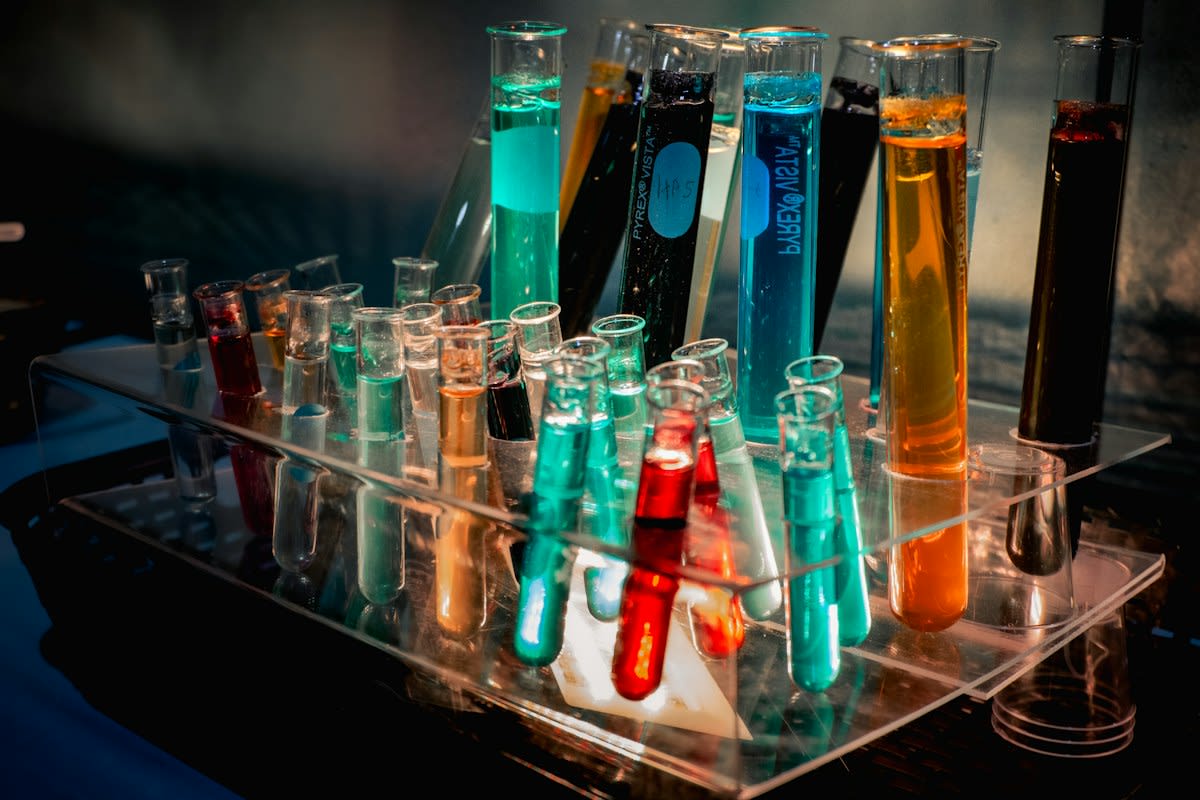
Turning trash into skincare requires a level of safety scrutiny that far exceeds standard cosmetics. Because these extracted compounds are often highly concentrated, they must undergo rigorous cytotoxicity testing. This involves using assays—like the MTT assay—to measure cell viability and ensure that a potent antioxidant doesn't accidentally become a skin irritant (Source: Dergipark, 2026). Scientists calculate the IC50—the concentration at which an inhibitor reaches half its maximum effect—to find the sweet spot between efficacy and safety.
The goal is a high Selectivity Index (SI), ensuring the ingredient targets the problem (like oxidative stress) without harming healthy human cells. This level of pharmaceutical-grade testing is what separates 'kitchen chemistry' from true cosmeceuticals. When you see a product claiming to be 'upcycled,' the real question isn't where it came from, but how it was validated.
| Metric | 2025 Projection | 2026 Projection | Growth Rate |
|---|---|---|---|
| Cosmeceuticals Market Value | $64.68 Billion | $70.07 Billion | 8.3% CAGR |
| Primary Driver | Pollution Awareness | Bio-active Sourcing | High |
As we look toward the next year, the trend is moving toward 'precision upcycling.' We are seeing a shift from general extracts to targeted molecular weights. The industry is no longer satisfied with 'grape seed extract'; they want the specific polyphenol fraction that inhibits a particular enzyme in the skin. This requires a deeper integration of life cycle assessments to ensure that the energy used in extraction doesn't outweigh the environmental benefit of using waste (Source: Eurofins, 2024).
Fact-Check & Accuracy Note
All market valuations are sourced from OpenPR (2026) market intelligence. Technical claims regarding fermentation and biotransformation are based on studies published in MicrobiomePost (2026) and Sustainability (2024). The use of MTT assays for safety is a standard pharmacological practice as detailed in Dergipark (2026).