Oil prices rise as Houthi attacks on Saudi Arabian refinery raise supply worries
Source Entity
US Top News and Analysis
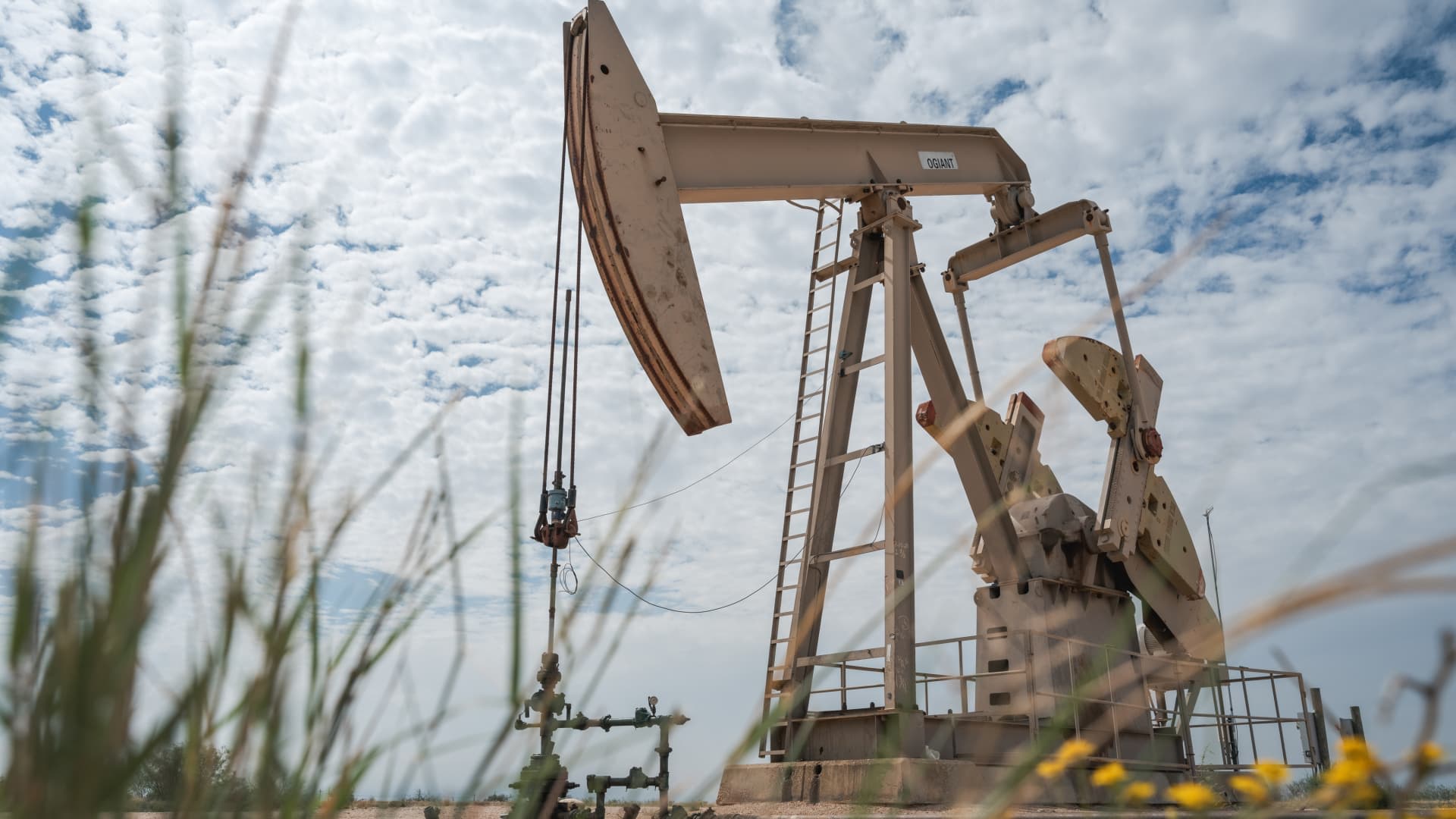
Oil prices surged as Houthi missile strikes on Saudi Arabia's Ras Tanura refinery sparked fears of regional instability. The attack has intensified market concerns regarding global supply chain security and geopolitical tensions.
Geopolitical Volatility and the Crude Oil Market
Global energy markets reacted sharply this week as oil prices saw a significant uptick following reports of a ballistic missile attack on Saudi Arabia’s Ras Tanura refinery. The incident, attributed to Tehran-backed Houthi forces, has reignited fears of a sustained and widening conflict within the Middle East. As investors digest the news, both Brent crude and West Texas Intermediate (WTI) have experienced notable gains, reflecting the market's heightened sensitivity to infrastructure vulnerabilities in one of the world's most critical oil-producing regions.
The Impact of Supply Chain Disruption
The Ras Tanura refinery is a cornerstone of Saudi Arabia’s energy infrastructure. Any threat to its operational capacity creates an immediate ripple effect across global supply chains. By targeting such a high-value asset, the Houthi forces have effectively signaled a shift in their tactical approach, moving beyond regional skirmishes to directly threaten the flow of oil to international markets. The resulting $1.50 rise in Brent crude futures underscores the anxiety currently permeating the energy sector regarding the security of oil transit and processing facilities.
Escalation and Regional Security Concerns
The broader implications of this attack extend far beyond immediate price fluctuations. The involvement of Tehran-backed groups places the incident within the context of a long-standing regional power struggle. The prospect of a prolonged conflict has forced market participants to re-evaluate the risk premium associated with Middle Eastern oil. This development serves as a grim reminder that energy security remains inextricably linked to the geopolitical stability of the Persian Gulf, where even localized attacks can trigger global economic consequences.
Political Rhetoric and Global Policy
Amidst these developments, political discourse in the United States has intensified, with former President Donald Trump addressing the situation during a campaign rally. His assertion that any potential conflict with Iran would conclude on his terms, combined with a firm stance on preventing Tehran from acquiring nuclear capabilities, highlights the intersection of electoral politics and foreign policy. This rhetoric adds another layer of complexity to the situation, as international markets now factor in the possibility of shifting U.S. policy approaches to the region.
Future Trends and Market Outlook
Looking ahead, the stability of oil prices will likely remain tethered to the intensity of the conflict and the effectiveness of defensive measures protecting critical infrastructure. If the frequency of such attacks increases, the market may see sustained price volatility, potentially leading to increased inflationary pressures globally. Analysts will be closely monitoring both the diplomatic responses from Riyadh and Washington and the actual impact on production capacity at the Ras Tanura facility to determine the long-term trajectory of crude prices in the coming weeks.