In America’s identity politics, Hindus aren’t even in the running
Source Entity
Vamsee Juluri
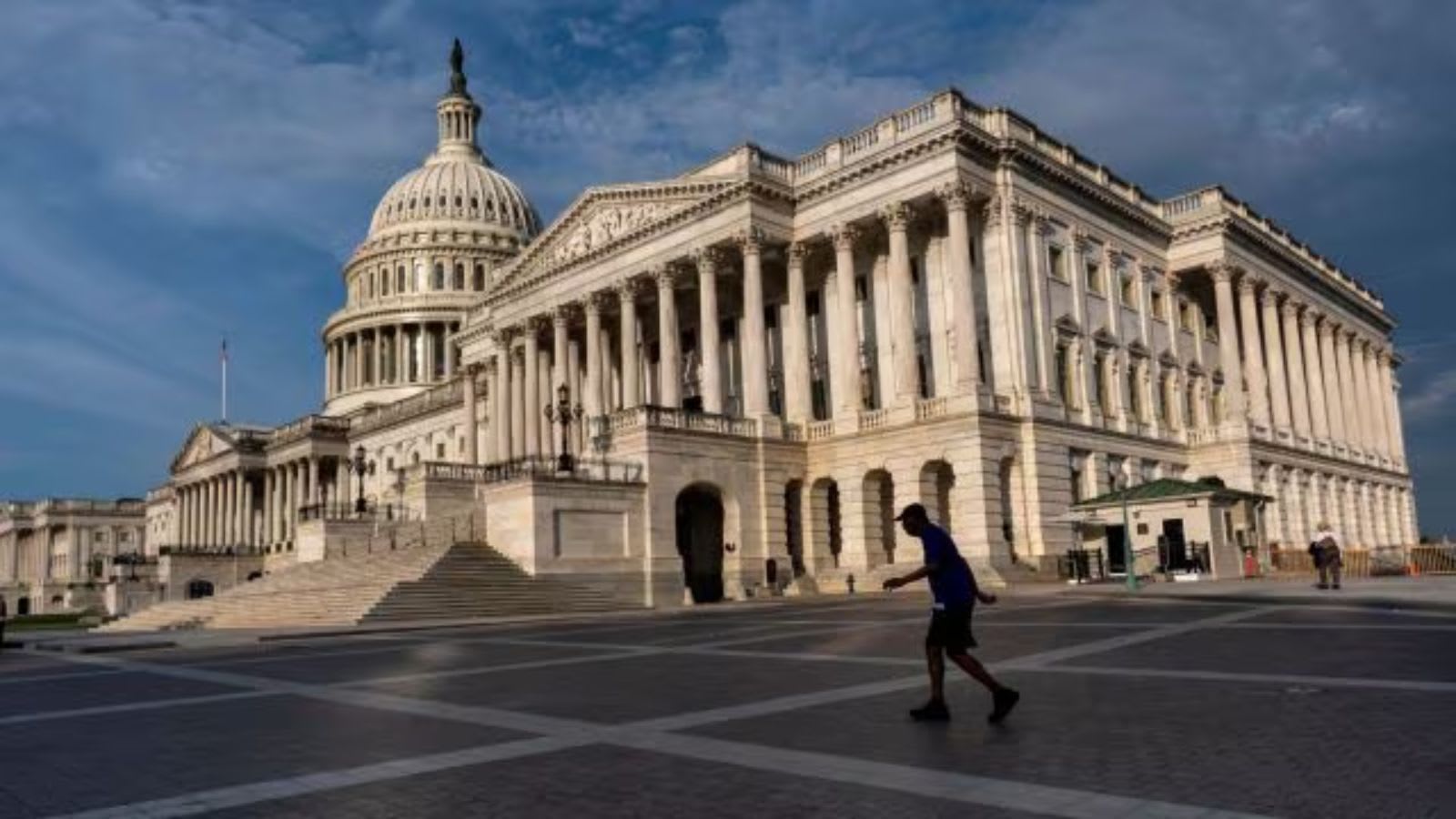
The integration of Indian immigrants into American society faces ongoing challenges as identity politics and demographic anxieties intensify. These tensions are manifesting in legal disputes and social friction, reflecting a broader struggle with diversity in the United States.
The Complexity of Indian Integration in the U.S.
The narrative surrounding the Indian diaspora in the United States has shifted from one of quiet professional success to one increasingly marked by friction and identity-based scrutiny. As the Indian-American community grows, the perception of their presence has evolved from being seen as a demographic cohort to becoming a focal point of intense identity politics. This evolution raises uncomfortable questions about the limits of American multiculturalism and how established residents perceive the influx of new, highly educated populations.
Historical Tensions and Modern Prejudices
Historically, the American 'melting pot' has struggled to accommodate rapid demographic shifts without sparking local anxieties. The provided anecdote concerning a housemate selection process in a campus town serves as a microcosm for this broader issue. When a graduate student attempted to limit the number of Indian tenants to prevent what they termed being 'overrun,' it highlighted a deep-seated fear of demographic displacement. Such incidents, while appearing isolated, are often symptomatic of underlying biases that prioritize maintaining an established status quo over legal and ethical mandates regarding fair housing and non-discrimination.
The Shift in Political Discourse
In regions like Texas, the discourse has moved beyond private housing disputes into the public square. Online campaigns and complaints alleging that Indians are 'stealing jobs' or altering the commercial landscape of local shops illustrate a hardening of attitudes. This rhetoric mirrors historical patterns of nativism where immigrant groups are scapegoated for economic frustrations. The perception of Indians as a 'model minority' is being challenged by these narratives, which instead frame their participation in the economy as a competitive threat rather than a contribution to growth.
The Role of Identity Politics
Identity politics in America has created a binary framework that often leaves groups like Hindu-Americans in a precarious position. Because they do not always fit neatly into established racial or political categories used by mainstream discourse, their experiences of discrimination are frequently overlooked or marginalized. This lack of visibility in the political mainstream complicates the community's ability to advocate for itself, as they are often treated as an 'other' by both ends of the political spectrum.
Future Trends and Social Cohesion
Looking forward, the integration of the Indian diaspora will likely remain a contentious issue as long as demographic anxiety remains a potent force in American politics. If the trend of viewing professional success as 'stealing' continues, we may see a rise in localized legal and social conflicts. The challenge for the United States will be to reconcile its aspirations as a diverse nation with the reality of these grassroots tensions. Moving toward a more inclusive future will require a nuanced understanding of these dynamics, moving beyond the zero-sum mentality that currently characterizes much of the discourse regarding immigrant integration.
Conclusion
Ultimately, the struggle for acceptance for Indian-Americans is not just a story of individuals, but a reflection of a nation grappling with its changing face. The legal and social friction described in the context points to a recurring historical cycle of nativist backlash that necessitates proactive, inclusive dialogue to ensure that the promise of the American Dream remains accessible to all regardless of their origin.