UN Nuclear Watchdog Chief Urges Iran To Grant Access
Source Entity
NDTV News Search Records Found 1000
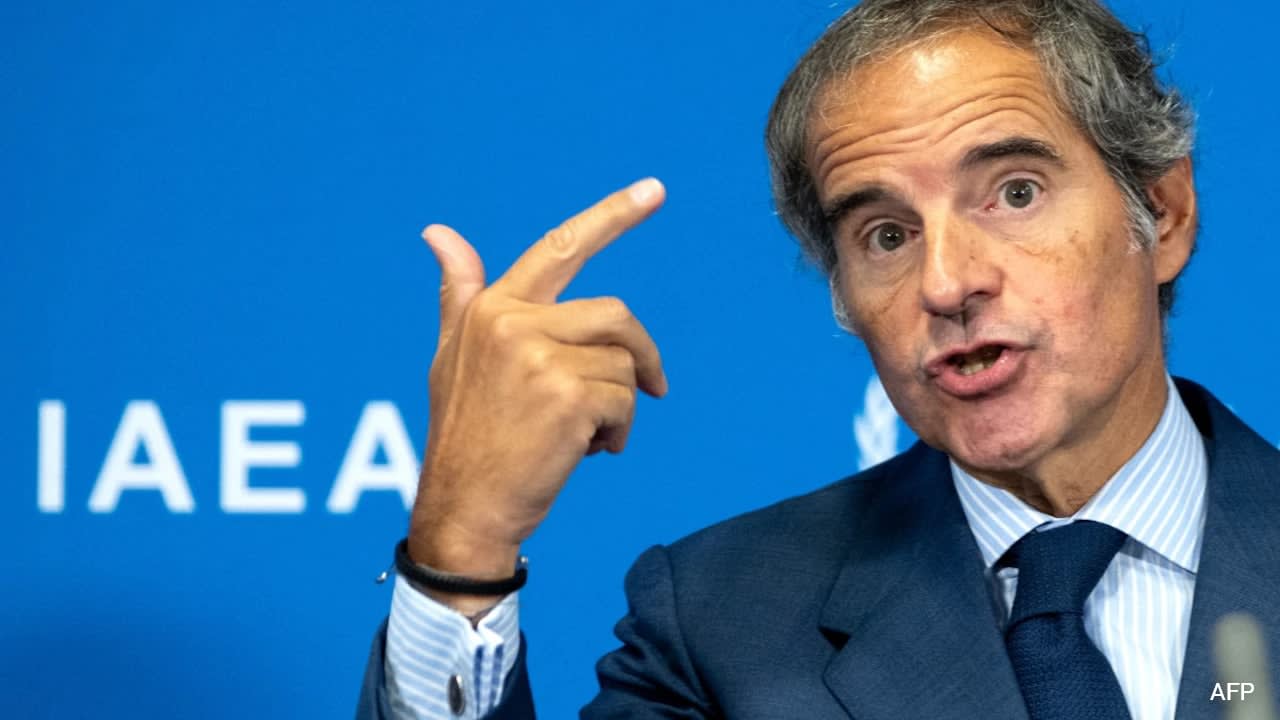
The IAEA chief is pushing for renewed access to Iran's nuclear sites following a suspension of oversight after recent regional escalations with Israel. This lack of transparency raises significant concerns regarding the global monitoring of Iran's nuclear program.
The Crisis of Nuclear Oversight in Iran
The International Atomic Energy Agency (IAEA) has issued an urgent call for renewed access to key nuclear facilities within Iran. This demand comes after a prolonged period of restricted oversight, which began following recent military tensions between Iran and Israel. The lack of routine inspections creates a dangerous vacuum of information, making it difficult for the international community to verify the nature and intent of nuclear activities currently underway.
The Erosion of Transparency
For years, the IAEA has acted as the world’s primary monitor for nuclear non-proliferation. By losing access to critical sites, the agency is effectively blinded regarding the status of uranium enrichment levels and the potential development of nuclear infrastructure. This suspension is not merely a bureaucratic hurdle; it represents a significant degradation of the global security architecture established to prevent the spread of nuclear weapons.
Regional Instability and Nuclear Ambitions
The correlation between the heightened friction with Israel and the subsequent restriction of IAEA access highlights how regional geopolitical conflicts directly jeopardize international nuclear safety protocols. When diplomatic channels are replaced by military posturing, the first casualty is often the transparency required for peaceful nuclear verification. The current situation suggests that Iran is utilizing its nuclear program as a strategic lever in its broader confrontation with regional rivals.
Broader Implications for Global Security
The broader implications of this blackout are profound. Without the IAEA’s eyes on the ground, the risk of miscalculation by international actors increases significantly. If the international community cannot ascertain whether Iran is adhering to its previous commitments, the likelihood of preemptive actions—whether diplomatic, economic, or military—grows. This cycle of uncertainty threatens to destabilize an already volatile region further.
Historical Context and Future Trends
Historically, the IAEA’s access has been the bedrock of the 2015 Joint Comprehensive Plan of Action (JCPOA). The current collapse of this monitoring regime reflects a downward trend in international diplomatic cooperation. Looking forward, if access is not restored promptly, it is highly probable that major world powers will push for renewed sanctions or alternative security measures, leading to further isolation of the Iranian state and potentially accelerating its nuclear advancements.
Conclusion
The demand by the IAEA chief is a critical warning about the fragility of nuclear non-proliferation. Without immediate restoration of access, the international community faces a worsening crisis of verification. The path forward requires a return to transparent monitoring to avoid an uncontrollable expansion of nuclear capabilities in the Middle East.
Verification Required?