Air quality slips to ‘poor’ category in Delhi, parts of north India
Source Entity
India Latest News: Top National Headlines Today & Breaking News | The Hindu
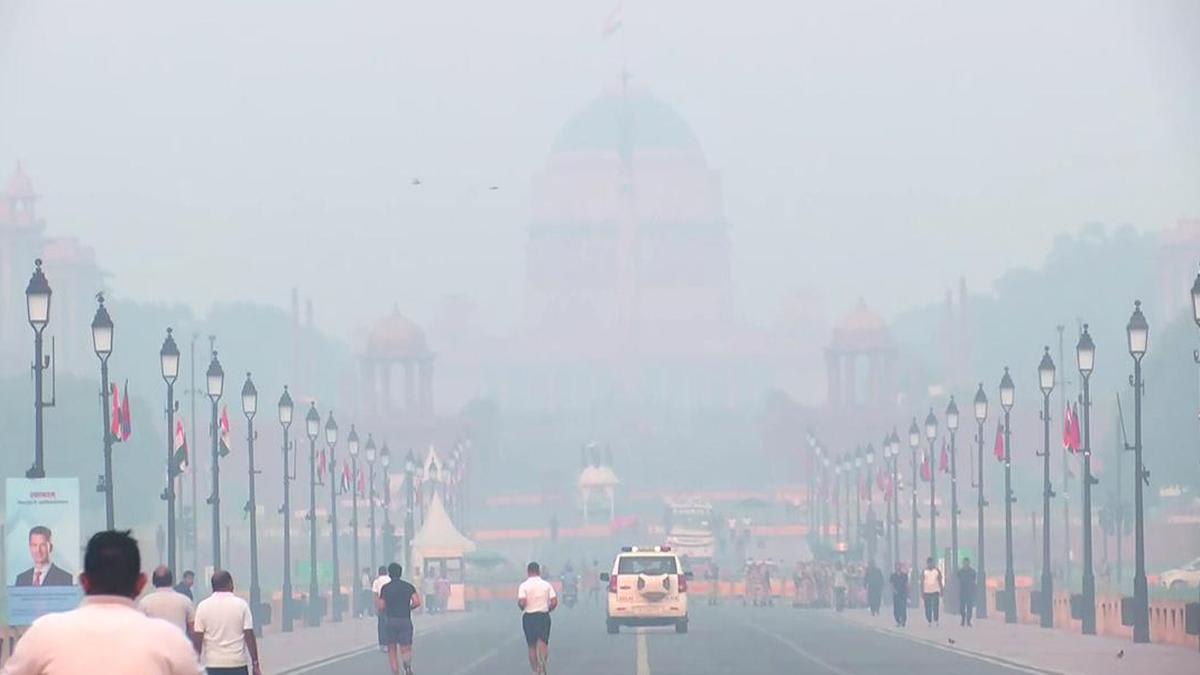
Delhi and surrounding northern Indian cities have seen air quality deteriorate to the 'poor' category as of late October 2026. Long-term data from CREA reveals a lack of consistent winter air quality improvement in Delhi, despite the ongoing implementation of the Graded Response Action Plan.
The Seasonal Crisis: Delhi’s Air Quality Declines
As of October 28, 2026, Delhi’s air quality has officially slipped into the “poor” category, with the Central Pollution Control Board (CPCB) recording a 24-hour average Air Quality Index (AQI) of 232. This decline marks a shift from the “moderate” levels observed earlier in the week, indicating that the seasonal deterioration of air quality in the national capital has begun. The impact is not isolated to Delhi; neighboring cities such as Meerut, Noida, and Ghaziabad are also experiencing poor air quality, while Panipat has reached the more concerning “very poor” threshold.
The Persistence of Poor Air Quality
Data indicates that the transition to hazardous air is not a sudden anomaly but part of a recurring seasonal cycle. While Delhi maintained a moderate AQI of 174 on October 26 and 197 on October 27, the rapid shift to 232 within 24 hours highlights the volatility of the region's atmosphere. This phenomenon consistently coincides with the onset of winter, a period when meteorological conditions—often coupled with local and regional emission sources—tend to trap pollutants near the surface.
Analyzing Long-Term Trends and Policy Efficacy
Despite the implementation of the Graded Response Action Plan (GRAP), a comprehensive analysis by the Centre for Research on Energy and Clean Air (CREA) suggests that there has been no consistent improvement in Delhi’s winter air quality over the past four years. The data reveals a troubling fluctuation rather than a downward trend in pollution levels. For instance, the mean AQI rose from 280 in the 2022–23 winter season to 304 in 2023–24, dipped to 285 in 2024–25, and climbed back to 295 in 2025–26. This data underscores a persistent challenge in mitigating winter smog.
The Policy Paradox
There exists a distinct policy paradox regarding air quality management in India. While some cities, such as Lucknow, have shown commendable progress by reducing annual average PM10 levels from 253 micrograms per cubic metre in 2017-18 to approximately 135 today, even this achievement remains double the national safety standard of 60. This discrepancy highlights that while localized successes are possible, the broader national struggle to meet air quality safety standards remains acute.
Implications of Seasonal Amnesia
Experts argue that the recurring nature of this crisis is often met with “seasonal amnesia,” where public and policy attention wanes once the winter season passes. The reliance on short-term reactive measures like GRAP, without achieving long-term structural air quality improvements, suggests that the current framework may be insufficient. Future trends indicate that unless there is a shift toward more stringent, long-term targets and enhanced accountability, the cycle of toxic winter air will continue to affect the health and livelihoods of millions across northern India.
Conclusion
The current state of air quality in Delhi and North India serves as a stark reminder of the limitations of existing pollution control strategies. As the region enters the peak winter months, the data from 2026 suggests that the trajectory of air pollution remains largely unchanged compared to previous years. Moving forward, the emphasis must shift from temporary, reactive interventions toward sustained, data-backed policies that prioritize human health and environmental safety above cyclical policy adjustments.
Multiple Citing Sources
Verification Required?