‘No’ means ‘no’ even if survivor is fiancée, rules Himachal High Court in rape case
Source Entity
Richa Sahay
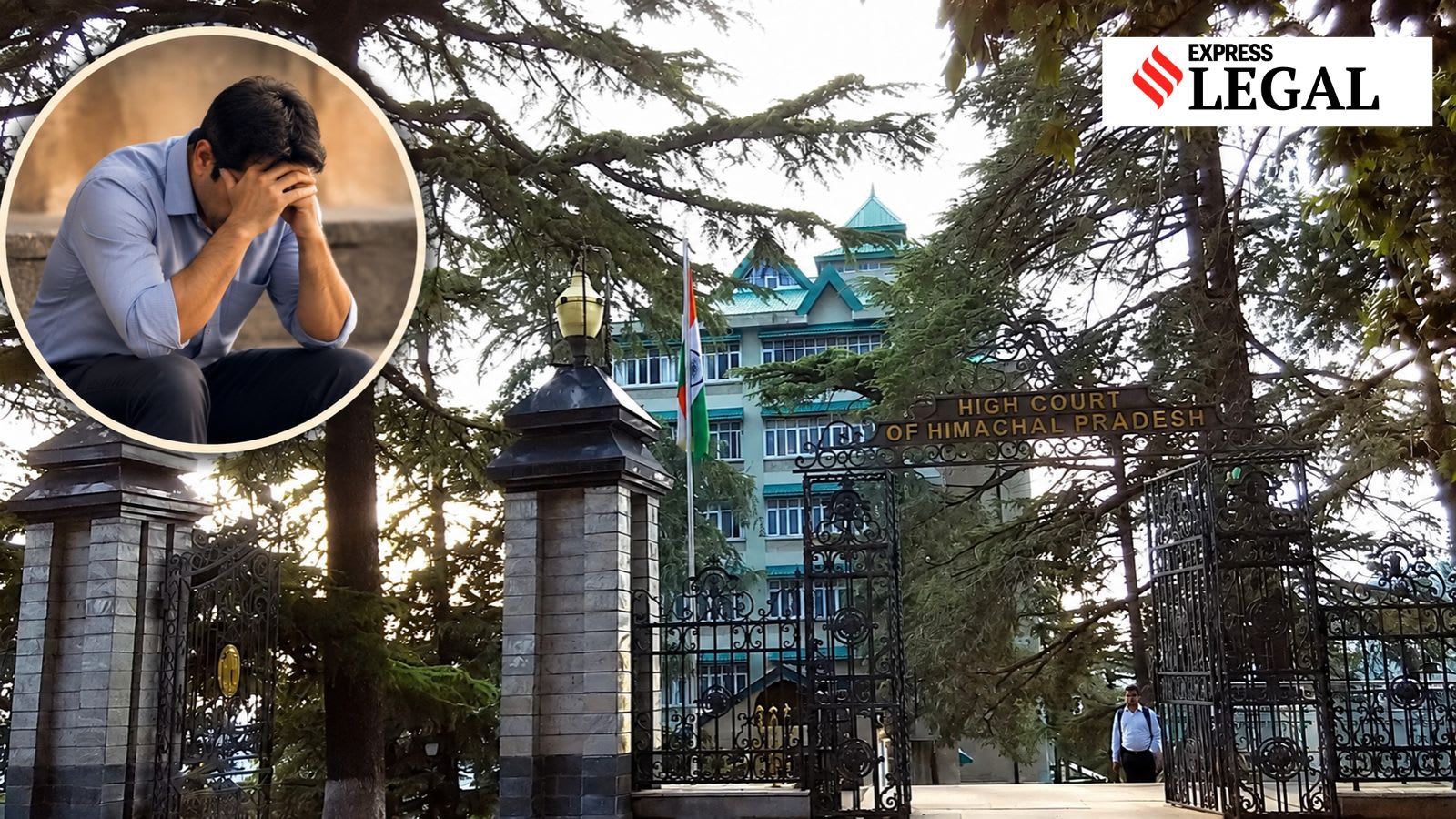
The Himachal Pradesh High Court denied anticipatory bail to a man accused of sexually assaulting his fiancée, emphasizing that consent must be respected within relationships. Justice Chirag Bhanu Singh condemned the act as barbaric, citing medical evidence of injuries to reject the plea.
Himachal High Court Reaffirms Bodily Autonomy in Relationships
In a landmark observation that reinforces the fundamental principles of bodily autonomy, the Himachal Pradesh High Court has explicitly stated that a romantic relationship does not grant a partner a "license" to commit sexual assault. By denying anticipatory bail to a man accused of assaulting his fiancée, the court has signaled a firm judicial stance against the normalization of violence within intimate partnerships.
The Sanctity of Consent
Justice Chirag Bhanu Singh, presiding over the case, underscored a simple yet profound legal and moral truth: "No" must mean "no." This ruling serves as a critical judicial intervention in cases where the existence of a prior relationship is often misused as a defense to mitigate the severity of sexual violence. By stripping away the shield of intimacy, the court has clarified that consent is not a blanket agreement provided at the start of a relationship, but a continuous requirement that can be withdrawn at any time.
Judicial Condemnation of Barbaric Conduct
The court did not mince words when describing the gravity of the allegations. Justice Singh characterized the petitioner's actions as "totally inhuman" and indicative of a "barbaric and diabolical mindset." This harsh language reflects the judiciary's increasing intolerance toward domestic and gender-based violence, especially when such acts involve physical trauma. The presence of medical evidence, including documented burn marks on the victim, played a pivotal role in the court's decision to deny relief.
The Weight of Medical Evidence
Legal proceedings in cases of sexual assault often hinge on the corroboration of testimonies. In this instance, the court noted that the victim’s allegations were not merely subjective claims but were substantiated by objective medical evidence. The documentation of physical injuries served as a cornerstone for the court's refusal to grant anticipatory bail, demonstrating that the judiciary will rely on scientific and forensic proof to protect the vulnerable and ensure that perpetrators remain accountable.
Broader Implications for Legal Precedent
This judgment carries significant weight for future jurisprudence regarding domestic abuse in India. By focusing on the post-interim protection conduct of the accused, the court has highlighted that a defendant's behavior during the legal process is under constant scrutiny. This reinforces the idea that legal protection is not an absolute right but one that can be forfeited through the continued abuse of the judicial system or the victim.
Conclusion
The Himachal Pradesh High Court’s ruling acts as a necessary reminder that the law does not recognize a "marital" or "betrothal" exemption for sexual assault. By prioritizing the victim's right to say "no" over the social status of the relationship, the court has bolstered the protections afforded to women. This decision will likely serve as a vital reference point for future cases involving intimate partner violence, reinforcing the necessity of consent as an absolute boundary.