The Ground-Level Reality: Waste as Currency
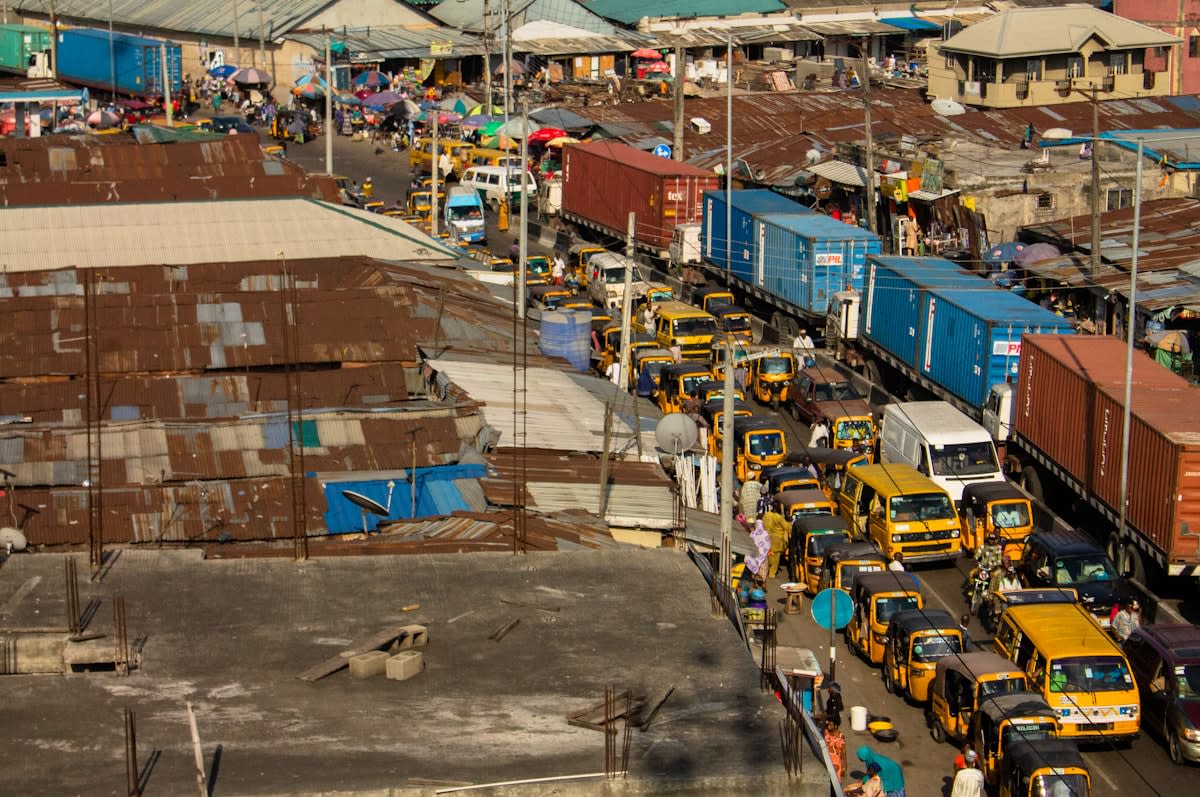
Walk through any neighborhood in Lagos and you will see it: dilapidated buildings transformed into informal dumpsites where plastic waste accumulates in suffocating heaps. A Ghanaian fisherman named Gbeho recently pointed to one such structure, noting how residents routinely dump plastic, choking the local environment (Source: Punchng, 2026). To the untrained eye, this is a sanitation crisis. To a practitioner building a credit network, this is an unmapped gold mine of feedstock. The sheer volume of material is staggering. In Nigeria, more than 2.5 billion litres of single-use sachet water are consumed annually, supported by a massive network of over 32,000 producers (Source: NESREA/UNEP/GEF, 2026). When you see a mountain of plastic, you are actually looking at a dormant financial asset waiting for a ledger to track it.
Turning this chaos into a high-tech credit network requires moving beyond simple recycling. We are not just cleaning streets; we are building a value chain where waste pickers and aggregators act as the primary mint for a new kind of currency. The friction is immense. You are dealing with fragmented cooperatives, logistics operators who struggle with erratic road networks, and recycling plants that demand high-purity feedstock. The real debate among practitioners isn't whether recycling works, but whether we can build a profitable industry without exploiting the waste workers who do the heaviest lifting (Source: Boltags, 2026). If the value doesn't flow back to the person picking the sachet out of the gutter, the network collapses.
Prerequisites for Implementation
Before deploying a single line of code or hiring a truck, you need a specific set of structural foundations. You cannot impose a digital layer on a broken physical process. You must first secure the trust of the informal sector—the people who already know where the waste is and how it moves. Without this, your high-tech network is just an expensive app with no users.
- A mapped network of sachet water producers to identify high-density waste zones.
- Verified partnerships with local waste-picker cooperatives and aggregators.
- Access to a recycling plant capable of washing, shredding, and pelletising material (Source: Boltags, 2026).
- A digital identity framework to provide 'trust signals' for unbanked participants.
- Logistics partnerships to bridge the gap between collection points and processing hubs.
Step-by-Step: Building the Credit Network
- Map the Feedstock Flow: Identify the 32,000+ sachet water producers and their distribution points (Source: NESREA/UNEP/GEF, 2026). This allows you to predict where waste will accumulate and position your collection hubs strategically.
- Formalize the Collection Layer: Organize waste pickers into cooperatives. Instead of paying them once in cash, introduce a digital ledger that records the weight and quality of plastic collected as 'credits'.
- Deploy Digital Trust Infrastructure: Implement tokenized credentials or digital wallets to track these credits. Use interoperability standards to ensure these credits can be exchanged for goods or micro-loans (Source: QUB Events, 2026).
- Integrate the Mid-Stream: Connect aggregators and logistics operators to the ledger. When an aggregator receives a bale of plastic from a picker, the credit transfers digitally, reducing the risk of theft or underpayment.
- Close the Loop with Manufacturers: Partner with companies that use recycled feedstock for packaging or construction materials. These manufacturers buy the credits to offset their plastic footprint, providing the actual liquidity that backs the network (Source: Boltags, 2026).
This transition from a linear 'collect-and-dump' model to a circular credit system changes the incentive structure. Suddenly, a waste picker isn't just a laborer; they are a supplier of raw materials for a global industry. This is where the tech becomes critical. By using digital identities and wallets, you create a verifiable history of productivity for individuals who have never had a bank account. This data becomes the collateral for the credit network, allowing pickers to access loans based on their consistent delivery of plastic feedstock.
"Recycling can create employment across an entire value chain rather than only inside recycling factories. Waste pickers and aggregators can collect discarded bottles, sachets and containers, cooperatives can sort and bale them; logistics operators can transport them..."— NESREA/UNEP/GEF Procurement Notice, 2026
The Infrastructure Gap
You will hit a wall when you move from dense urban centers to the periphery. In dense markets, private operators usually invest without help, but rural or climate-vulnerable areas suffer from low population density and high capital costs (Source: World Bank, 2026). This creates a 'viability gap' where the credit network might struggle to expand. To solve this, you cannot rely solely on market forces. You need targeted public financing, such as subsidies or public-private partnerships, to extend connectivity and prevent the digital divide from widening (Source: World Bank, 2026).
| Value Chain Stage | Primary Actor | Credit Trigger | Risk Factor |
|---|---|---|---|
| Collection | Waste Picker | Weight of Sachet Plastic | Under-reporting/Theft |
| Aggregation | Cooperative Lead | Quality Validation | Contamination of Material |
| Logistics | Truck Operator | Delivery to Plant | Fuel Costs/Road Access |
| Processing | Recycling Plant | Pellet Production | Energy Price Volatility |
The technical architecture must prioritize cybersecurity and data protection. When you are handling the financial identities of thousands of vulnerable workers, a breach isn't just a corporate headache—it's a livelihood disaster. Implementing robust authentication and notification services is non-negotiable (Source: World Bank, 2026). The goal is to build a 'supply chain of trust' where every actor, from the picker to the manufacturer, has a secure, immutable record of their transactions (Source: QUB Events, 2026).

Common Pitfalls and Ugly Realities
Don't be fooled by the clean diagrams of circular economy pitches. The implementation is messy. One of the biggest risks is simply shifting pollution from the streets into poorly regulated recycling facilities (Source: Boltags, 2026). If your 'high-tech' network ignores the environmental impact of the processing plants, you've just moved the problem, not solved it. Furthermore, the tension between formal digital systems and informal social hierarchies is real. Local 'strongmen' in the waste sector may resist a transparent ledger that removes their ability to skim profits from the pickers.
- The 'Pollution Shift': Ensuring plants don't pollute more than the streets they clean.
- The 'Identity Gap': Struggling to onboard workers who lack formal government IDs.
- The 'Liquidity Trap': Having plenty of plastic credits but no manufacturers willing to buy them in bulk.
- The 'Infrastructure Wall': High costs of extending the network to rural areas (Source: World Bank, 2026).
Fact-Check & Accuracy Note
Key claims regarding the volume of sachet water consumption (2.5 billion litres) and the number of producers (32,000) are sourced from the 2026 NESREA/UNEP/GEF procurement notice. Digital infrastructure challenges in rural areas are based on World Bank 2026 data. The debate regarding waste worker exploitation vs. profitability is an ongoing discourse highlighted in Boltags 2026 reports.