Bihar flood threat rises as Ganga flows above ‘highest flood level’; Orange rain alert in Delhi
Source Entity
The Indian Express
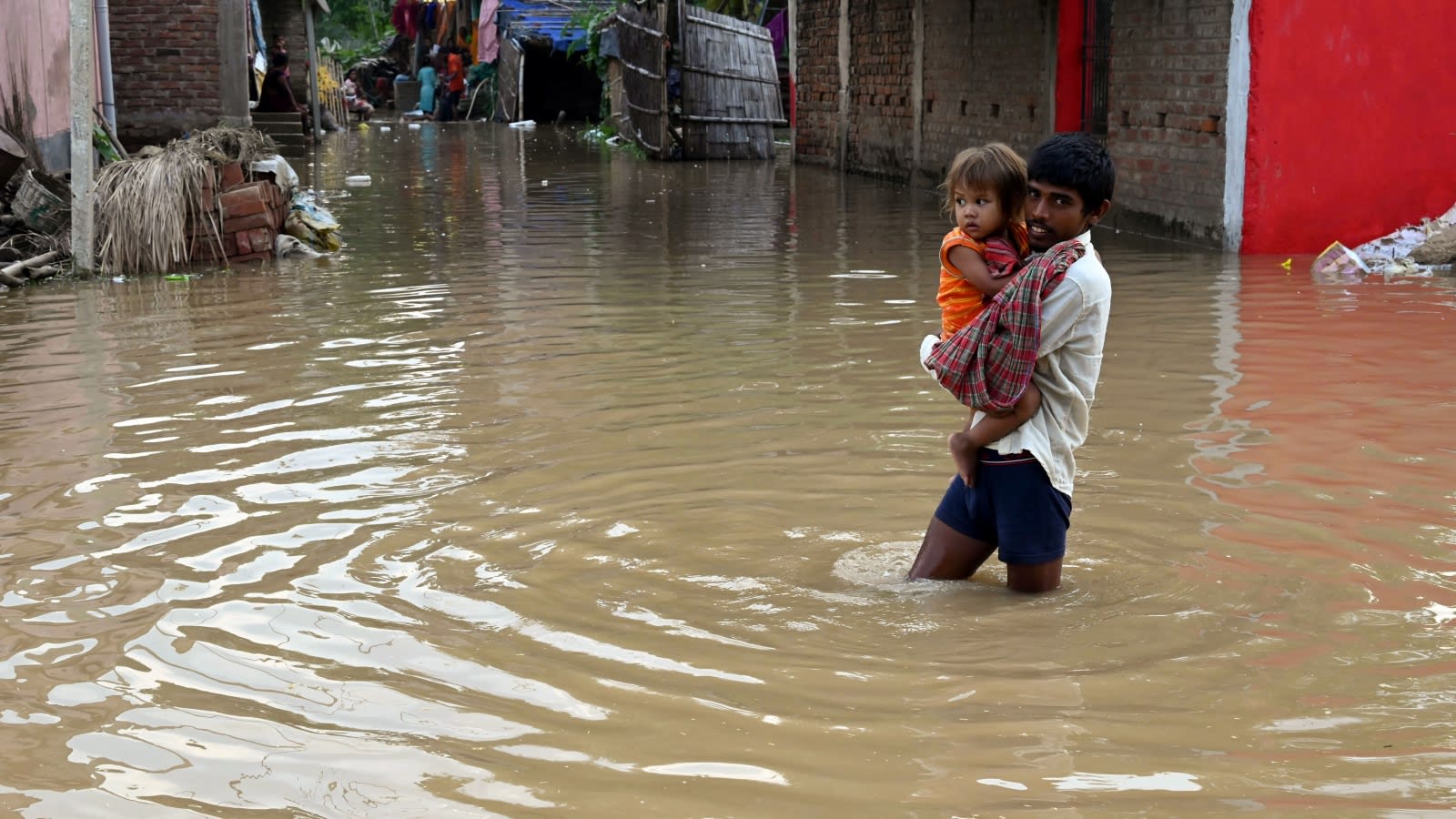
Severe flooding across Uttar Pradesh and Bihar has displaced thousands, with major rivers like the Ganga flowing above danger levels. Authorities have deployed extensive rescue teams and relief aid to mitigate the crisis while remaining on high alert.
The Expanding Flood Crisis Across the Gangetic Plains
Recent meteorological shifts have triggered a significant flood crisis across Uttar Pradesh and Bihar, placing immense pressure on state disaster management infrastructure. As of September 2026, the situation remains critical as major river systems, including the Ganga, Burhi Gandak, Kosi, and Bagmati, have breached danger thresholds. The combination of heavy rainfall in neighboring regions like Jharkhand and Nepal has exacerbated water inflow, leading to widespread inundation in low-lying districts.
Uttar Pradesh: A Proactive Response
In Uttar Pradesh, the Flood Relief Commissioner’s office has reported that 26 districts are currently grappling with the deluge. While the scale of the impact is vast—affecting approximately 3.53 lakh people—the state’s rapid response mechanism has been instrumental in preventing casualties. By evacuating over 17,500 residents to safety and providing essential relief, including 72,897 flood kits and over 3.67 lakh food packets, the government has prioritized the preservation of human and livestock life during this high-risk period.
The Escalating Situation in Bihar
Bihar faces a particularly precarious scenario as the Ganga river has surged past its ‘highest flood level’ at key points such as Digha and Gandhi Ghat in Patna. The geographical vulnerability of districts like Vaishali, Bhojpur, Lakhisarai, and Bhagalpur has necessitated a massive mobilization of resources. With 33 teams from the National Disaster Response Force (NDRF) and State Disaster Response Force (SDRF) deployed, the state is managing a round-the-clock rescue operation, supported by nearly 700 government boats to navigate the submerged landscape.
Meteorological Drivers and Regional Implications
The intensity of this flooding is directly linked to extreme weather patterns originating from upstream rainfall in Nepal and Jharkhand. This hydrological phenomenon highlights the recurrent nature of flood threats in the Indo-Gangetic basin. The issuance of an Orange alert in Delhi-NCR further underscores the widespread nature of the current weather system, suggesting that the atmospheric instability affecting North India is part of a broader, interconnected climatic event.
Future Trends and Disaster Preparedness
As climate variability becomes more pronounced, the frequency of such flood events poses a persistent challenge to regional stability. The current reliance on emergency evacuations and immediate relief distribution is a vital short-term strategy. However, the future will likely necessitate more robust, long-term investments in river management, early warning systems, and resilient infrastructure in flood-prone districts to mitigate the economic and humanitarian costs of these inevitable seasonal surges.
Conclusion
The ongoing crisis in Uttar Pradesh and Bihar serves as a stark reminder of the challenges posed by monsoon-driven disasters. While current efforts have successfully averted loss of life, the situation remains fluid. Sustained inter-state coordination and vigilant monitoring of river levels will be essential in the coming weeks as authorities work to stabilize the affected regions and transition from emergency rescue to long-term recovery.
Multiple Citing Sources