How a Pune school teacher is shaping next generation of acting stars
Source Entity
Tejas Sane
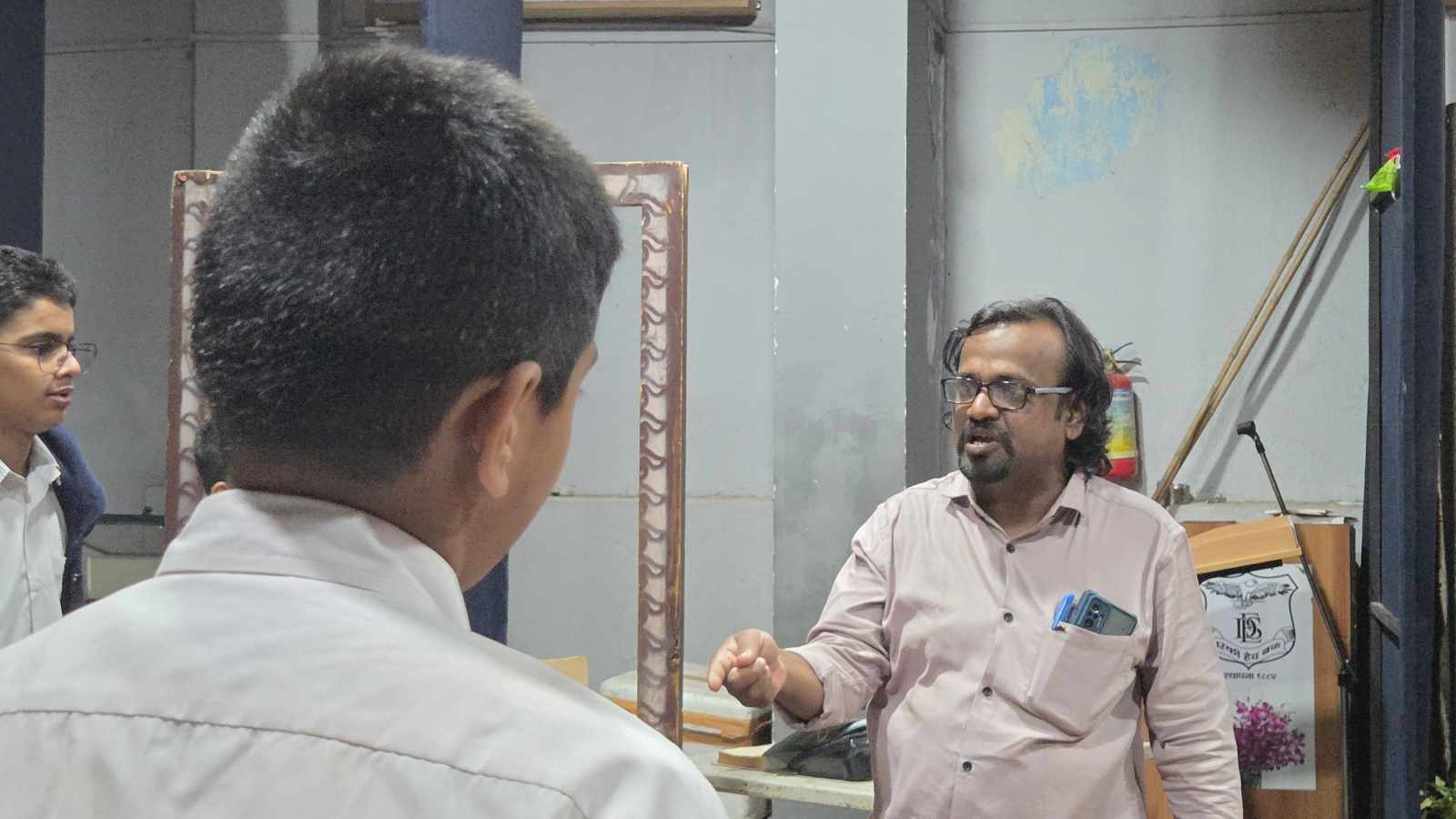
Pune teacher Ravindra Satpute has transformed traditional education at New English School, Ramanbaug, by integrating theatre into the curriculum. By writing original scripts tailored to students, he fosters creativity and holistic development beyond standard academics.
The Pedagogical Shift: Theatre as a Learning Tool
At the New English School, Ramanbaug in Pune, an educational transformation is underway, led by Marathi and Hindi teacher Ravindra Satpute. Since joining the institution in 2003, Satpute has challenged the conventional reliance on syllabus-driven instruction, which often prioritizes rote memorization over critical engagement. By integrating theatre into the classroom, he has effectively bridged the gap between academic requirements and the developmental needs of adolescents, proving that artistic expression is a vital component of a comprehensive education.
A Foundation in Professional Craft
Satpute’s unique approach is not born of mere intuition but is deeply rooted in formal training and professional experience. Before his tenure as a teacher, he immersed himself in the art of performance, completing a prestigious theatre appreciation course at the National School of Drama. His mentorship under luminaries such as Satyadev Dubey, Vijay Kenkre, and Chandrakant Kulkarni provided him with a sophisticated understanding of dramatic structure, character development, and narrative arc, which he has subsequently adapted for the classroom environment.
Customizing the Curriculum
One of the most significant hurdles in modern education is the disconnect between standardized learning materials and the lived experiences of students. Upon realizing that existing, ready-made scripts failed to resonate with his pupils, Satpute took the initiative to author original stories. This bespoke approach ensures that the content remains relatable and age-appropriate, effectively capturing the attention of students who might otherwise feel alienated by rigid, outdated academic texts.
Beyond the Classroom: The Developmental Impact
Integrating theatre into the curriculum offers benefits that extend far beyond the stage. Through the process of acting and script analysis, students develop improved communication skills, emotional intelligence, and collaborative abilities. By stepping into different roles, pupils learn to view the world through diverse perspectives, fostering empathy—a critical skill in the increasingly complex social fabric of modern India.
Future Trends and Educational Implications
Satpute’s methodology serves as a compelling case study for the future of Indian education. As schools look toward the National Education Policy’s emphasis on holistic and multidisciplinary learning, models like the one at New English School, Ramanbaug, provide a blueprint for how educators can blend core subjects with creative arts. By treating the classroom as a laboratory for character building, teachers can move past the limitations of the syllabus to cultivate a generation of well-rounded, articulate, and confident individuals.
Conclusion
The work of Ravindra Satpute demonstrates that the role of an educator is not merely to transmit information, but to nurture the multifaceted potential of every student. By leveraging his background in professional theatre to enhance traditional language studies, he has transformed his classroom into a space where academic rigor meets creative inquiry. His success underscores the necessity of creative pedagogical strategies in preparing students to navigate the challenges of the 21st century.