Chandigarh gets final major rainfall as early monsoon retreat likely
Source Entity
Latest News: Todays Latest News Headlines from India & World | Hindustan Times | Hindustan Times
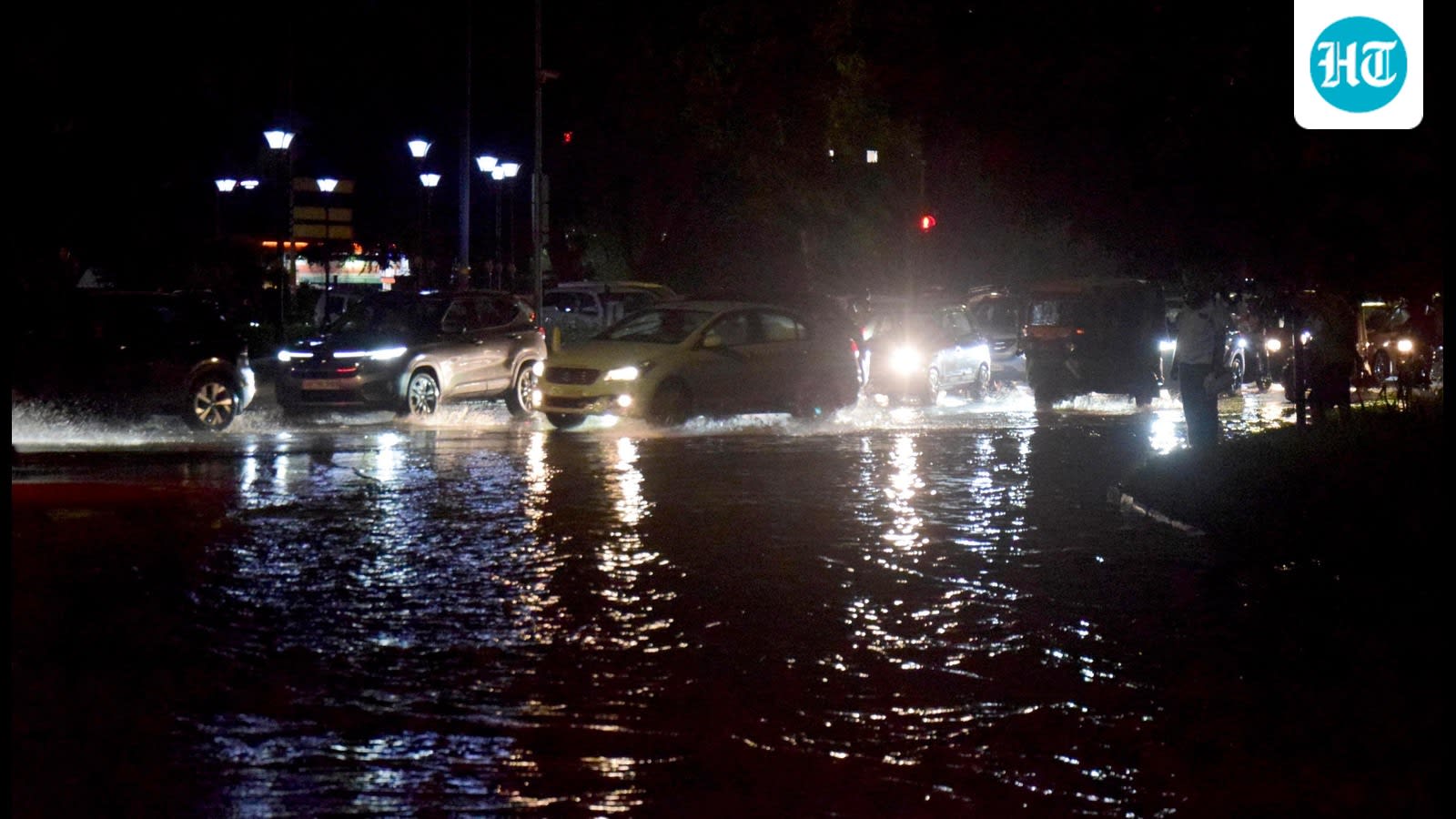
Chandigarh experienced 15.2 mm of rainfall as the monsoon season nears its expected withdrawal by the end of September. While the system remains active through the weekend, the IMD forecasts a drier trend for the coming week and the month overall.
Chandigarh Experiences Final Monsoon Spells
Chandigarh residents witnessed a return of wet weather this weekend, with the India Meteorological Department (IMD) recording 15.2 mm of rainfall on Saturday. This precipitation followed showers on Friday, highlighting the persistent, albeit waning, influence of the monsoon system over the region. As the city navigates the final stages of the season, these sporadic downpours serve as a reminder of the volatile nature of the monsoon’s transition phase.
The Mechanics of Monsoon Withdrawal
According to IMD Chandigarh director Surender Paul, September represents the terminal phase of the monsoon season. While these heavy rain spells are not anomalous for this time of year, they signify the atmospheric shift toward the post-monsoon period. The monsoon withdrawal is officially expected to commence by the end of the month, marking the transition from the humid, rain-heavy months to the cooler, stable conditions typical of the autumn season in Northern India.
Short-term Outlook vs. Monthly Forecast
While the current monsoon system remains robust enough to sustain rainfall through Sunday, the long-range forecast provided by the IMD suggests a significant decline in activity for the following week. The meteorological data indicates that the region is likely to experience below-average rainfall for the entirety of September. This forecast is consistent with the broader climatological patterns observed in the region, where the intensity of the monsoon gradually tapers off after mid-September.
Historical Context and Variability
Comparing the current data to historical records underscores the extreme variability of the North Indian monsoon. Last year, the city recorded a massive 99.9 mm of rain on the very first day of September, with a total monthly accumulation reaching 252.1 mm. In contrast, the current year’s performance reflects a much more subdued conclusion to the season, emphasizing that monsoon behavior is rarely uniform from one year to the next.
Infrastructure and Urban Challenges
As seen on Saturday, even moderate rainfall of 15.2 mm can lead to localized urban challenges, including waterlogged roads. For city planners and commuters, these events highlight the ongoing need for improved drainage infrastructure that can handle the sudden, albeit brief, pulses of rain characteristic of the monsoon’s end. As the city prepares for the drier weeks ahead, the focus shifts from flood mitigation to the assessment of the season's cumulative impact on the region's water resources.
Conclusion
In summary, while Chandigarh is currently enjoying a final burst of monsoon activity, the meteorological outlook remains clear: the season is drawing to a close. With the IMD predicting a drier week and a below-average rainfall total for the month, the city is set to transition into a more stable climate. The combination of current localized rain and the anticipated withdrawal provides a definitive end to the 2024 monsoon cycle for the Chandigarh region.
Verification Required?