'You can run, but can't hide': Lashkar terrorist neutralised in Jammu and Kashmir
Source Entity
ROHITASHWA RANJAN
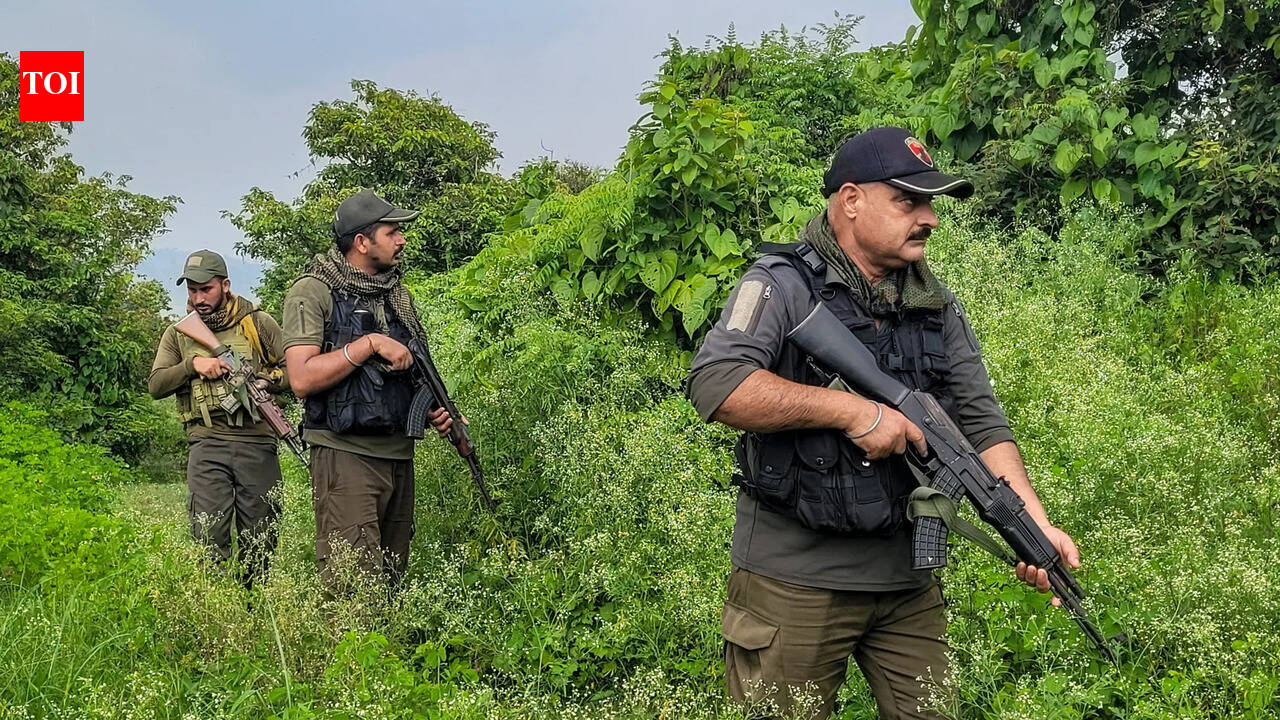
Security forces neutralized a Lashkar-e-Taiba terrorist named Yasir during Operation Ashdar in Jammu and Kashmir. The Pakistani national was identified as a key perpetrator behind the 2024 attacks on an IAF convoy and civilians.
Operation Ashdar: A Decisive Strike Against Terrorism in Jammu and Kashmir
The Neutralization of a Key Operative
In a significant development for regional security, Indian security forces successfully conducted Operation Ashdar, resulting in the neutralization of a high-value terrorist target. The individual, identified as Yasir, was a Pakistani national affiliated with the banned militant organization Lashkar-e-Taiba (LeT). The operation was confirmed by the Jammu and Kashmir Police, who utilized their official social media channels to announce that the operative had been tracked and eliminated, underscoring the success of ongoing counter-insurgency efforts in the union territory.
Intelligence-Led Counter-Terrorism
The success of Operation Ashdar was rooted in actionable intelligence regarding the movement of militants through the challenging terrain of the Pir Panjal mountains. By monitoring these routes, security forces were able to intercept the group, preventing further potential threats. The use of the phrase, "You Can Run But You Can't Hide," by local authorities highlights the evolving psychological and tactical stance of security forces, emphasizing that the reach of Indian intelligence and law enforcement is increasingly capable of tracking foreign-origin militants across difficult geographical landscapes.
Historical Context of the 2024 Attacks
The elimination of Yasir is particularly notable due to his direct involvement in violent activities earlier in 2024. Reports confirm that the deceased terrorist was a key figure behind the attacks on an Indian Air Force (IAF) convoy and innocent civilians. These incidents represented a severe security challenge, and his neutralization serves as a critical step in providing closure to the victims and restoring a sense of safety in the region. The targeting of military infrastructure and civilian life remains a hallmark of LeT’s operational strategy in the area.
Implications for Regional Stability
The presence of Pakistani nationals within the ranks of active militants in Jammu and Kashmir remains a focal point of India's security policy. By identifying Yasir as a foreign national, security forces reinforce their narrative regarding the cross-border nature of the insurgency. This operation serves as a deterrent and a demonstration of the heightened vigilance maintained by the Indian security apparatus to prevent the destabilization of the region by foreign-trained elements.
Future Trends and Security Outlook
As security forces continue to refine their intelligence-gathering capabilities and tactical coordination, the ability to conduct precision operations like Operation Ashdar is likely to increase. The focus on the Pir Panjal range—a historically significant infiltration route—suggests that security agencies are prioritizing the sealing of mountain passes to prevent the movement of militants. This shift indicates a proactive approach, moving away from reactive measures toward a strategy designed to intercept threats before they can manifest into large-scale disruptions.
Conclusion
The death of Yasir is a tactical victory that reflects the persistent dedication of the Jammu and Kashmir Police and other security wings. By successfully identifying and neutralizing a perpetrator of the 2024 IAF convoy and civilian attacks, the state has reaffirmed its commitment to maintaining law and order. Moving forward, the continued success of such operations will be essential in maintaining the fragile peace and ensuring the security of both military personnel and the civilian population in the region.