‘Your alumni are the OGs’: PM Modi’s Gen Z shoutout at SRCC centenary celebrations
Source Entity
MEGHNA DHULIA
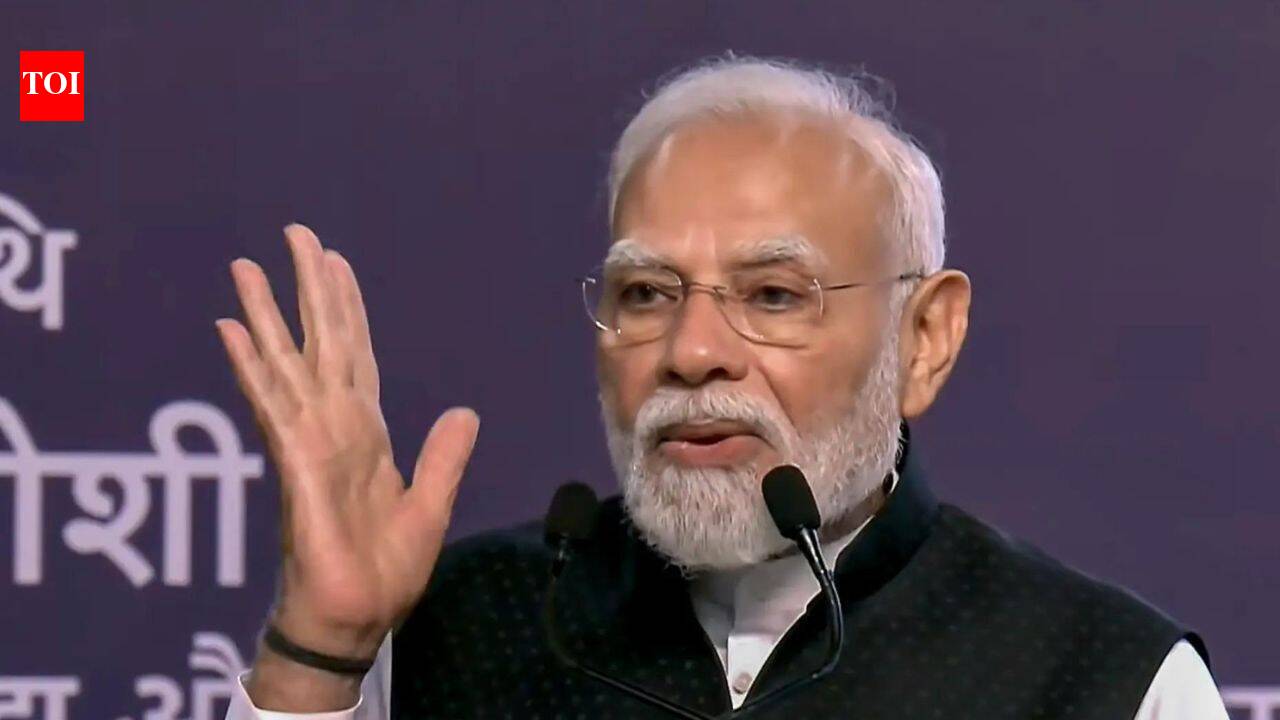
Prime Minister Narendra Modi returned to Delhi University's SRCC for its centenary celebrations, marking a symbolic journey from his 2013 keynote to his current tenure. During the event, he released a commemorative coin and lauded the institution for producing influential leaders in business and public life.
A Symbolic Homecoming: PM Modi at SRCC
Prime Minister Narendra Modi’s recent visit to the Shri Ram College of Commerce (SRCC) for its centenary celebrations serves as a poignant bookmark in contemporary Indian political history. Returning to the institution thirteen years after his seminal 2013 address—a speech widely regarded as the launchpad for his national political trajectory—Modi’s presence underscores the enduring relationship between the Prime Minister and this prestigious Delhi University hub. While in 2013 he stood as the Chief Minister of Gujarat outlining his vision for the nation, his return as a three-time Prime Minister highlights the evolution of his leadership and the institution's role in the national discourse.
Commemorating a Century of Excellence
During the centenary event, the Prime Minister highlighted the significant academic and institutional contributions of SRCC over the past 100 years. To mark this milestone, he released a commemorative ₹100 coin, a gesture symbolizing the government's recognition of the college’s role in nation-building. By lauding SRCC for its consistency in fostering academic excellence and nurturing leaders who have shaped India’s business, social, and political landscapes, Modi underscored the importance of high-caliber educational institutions in driving the country’s growth story.
From 'Glass Full' to Global Impact
Reflecting on the 2013 speech where he famously utilized the 'glass half-full' analogy to frame his optimistic outlook on India's potential, the Prime Minister’s return provided a platform to assess the progress made since that era. He noted that the 'OG' alumni of SRCC have consistently taken the college’s reputation to the global stage. By invoking figures such as the late Union Minister Arun Jaitley and economist Sanjeev Sanyal, the Prime Minister emphasized the tangible impact that the institution’s graduates have had on the structural development of the Indian economy and governance.
The 'Dhurandhar' Tribute: Celebrating Alumni Influence
In a lighthearted yet appreciative moment, the Prime Minister remarked, “Dhurandhar na ho lekin dhoom machai hai” (They may not be the stalwarts, but they have made a great impact), acknowledging the diverse ways in which SRCC graduates have contributed to society. This sentiment reflects a broader appreciation for the college’s culture, which balances academic rigor with the development of leadership qualities that extend far beyond the classroom, influencing sectors ranging from corporate boardrooms to national policy corridors.
A Journey of Accessibility
Demonstrating a commitment to public engagement, the Prime Minister chose to travel to the college premises via the Delhi Metro. His interaction with children during the commute offered a contrast to the typical security-heavy protocols of a sitting Prime Minister, signaling a desire to remain connected with the urban public. This act, combined with his address at the centenary, reinforced the message that education and institutional legacy are central pillars of his vision for a developed India.
Conclusion: Looking Toward the Future
As SRCC enters its second century, the Prime Minister’s visit serves as both a celebration of its past and an encouragement for its future. By honoring the institution’s history, he has reiterated the necessity of academic excellence in sustaining India’s trajectory on the world stage. The event was not merely a ceremonial anniversary but a strategic acknowledgment of the pipeline of talent that institutions like SRCC provide to the nation, ensuring that the legacy of leadership continues for generations to come.
Multiple Citing Sources