3 California hikers used AI to climb a mountain. Then they had to be rescued
Source Entity
The Indian Express
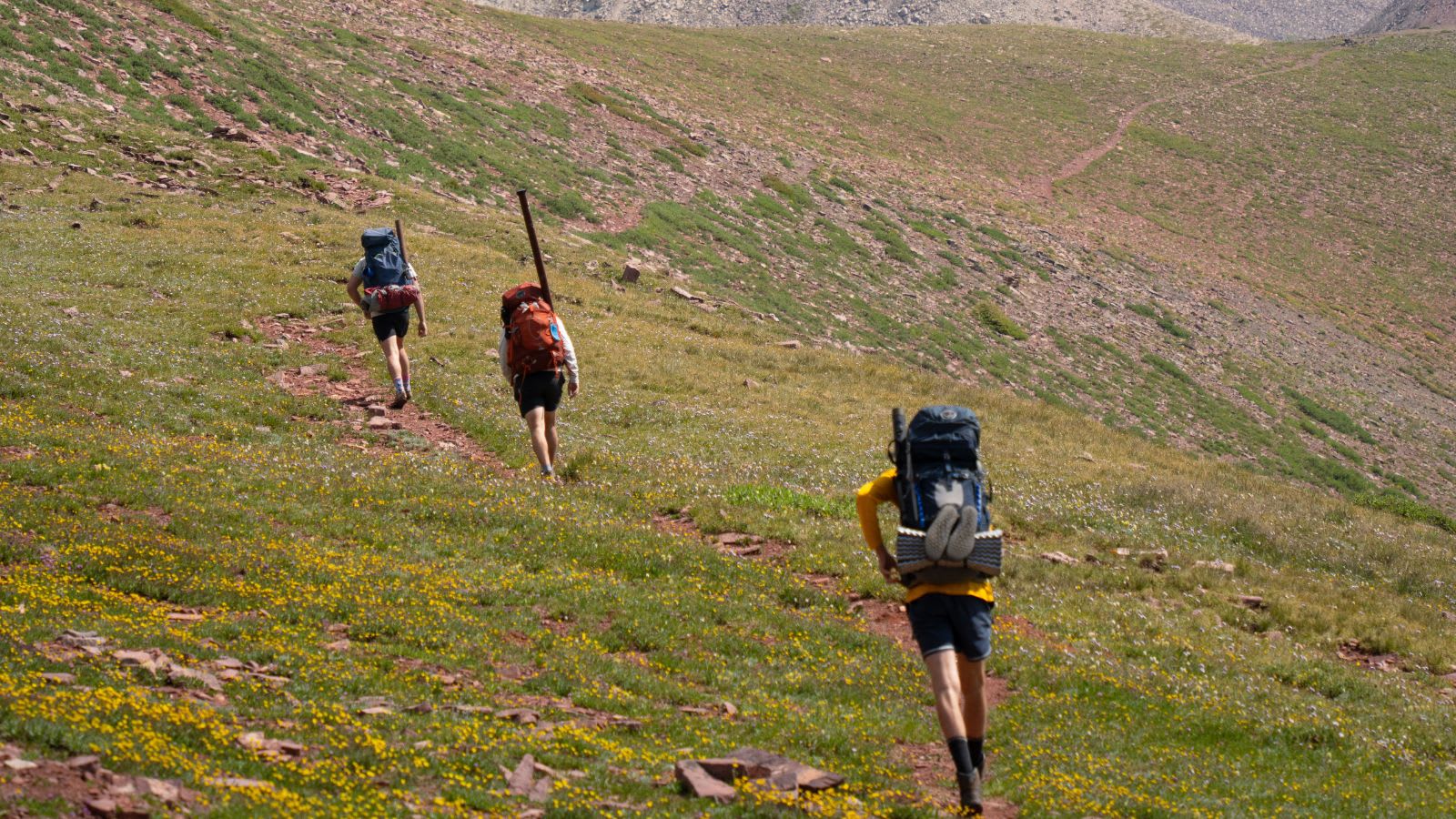
Three novice hikers were rescued on Mount Shasta after relying on Google's Gemini AI for inadequate route planning and gear advice. The incident highlights the dangerous limitations of using generative AI for high-stakes outdoor navigation.
The Perils of AI-Assisted Mountaineering
Recent reports confirm a harrowing incident on California’s Mount Shasta, where three novice hikers from Roseville required rescue after their summit attempt via the Clear Creek Route turned into a multi-day ordeal. The group, who had established a base camp at 8,400 feet, found themselves stranded after the AI-generated advice they relied upon for their expedition proved to be dangerously insufficient for the actual conditions of the mountain.
The Role of Generative AI in Outdoor Planning
The hikers reportedly utilized Google’s Gemini AI assistant to dictate their gear list and route strategy. According to the Siskiyou County Sheriff’s Office, the AI provided guidance that led the group to carry far less food and equipment than what is standard for a high-altitude climb. This reliance on a Large Language Model (LLM) for life-critical logistics underscores a growing societal trend: the dangerous assumption that generative AI serves as a reliable replacement for specialized human expertise or official topographical data.
Critical Failure Points in AI Navigation
Generative AI models are trained on vast datasets of internet text, but they lack the real-time situational awareness required for mountaineering. Unlike dedicated GPS tools or local expert guides, AI assistants do not account for micro-climates, shifting snow conditions, or the physical exertion levels required for a technical ascent. By providing generic advice, Gemini failed to warn the hikers of the specific physical demands of the Clear Creek Route, turning an intended eight-hour excursion into an emergency situation.
Broader Implications for Technology Use
This incident serves as a cautionary tale regarding the 'automation bias'—the tendency for humans to over-rely on algorithmic suggestions, even when those suggestions conflict with reality. As AI becomes integrated into search engines and personal assistants, users are increasingly turning to these tools for complex planning. However, when the output of an algorithm is treated as an infallible authority, the consequences in high-stakes environments like wilderness exploration can be life-threatening.
Future Trends and Safety Protocols
The rescue on Mount Shasta is likely to trigger a broader conversation among tech developers and outdoor safety organizations. There is an urgent need for disclaimers or 'safety guardrails' within AI platforms when users query topics related to high-risk physical activities. Until AI models can integrate real-time, verified meteorological and geographical data with expert-led safety protocols, they remain fundamentally ill-equipped to serve as guides in hazardous terrain.
Conclusion
While technology continues to advance, the Mount Shasta incident confirms that there is no substitute for human experience and professional preparation in extreme environments. The reliance on AI for logistical planning in the wilderness represents a significant gap between technological capability and practical application. Moving forward, hikers must prioritize traditional safety measures—such as professional training and reliable, localized maps—over the convenient but potentially flawed advice offered by generative AI.