Drones Are Everywhere Now. But Fly One Wrong, And You Could Go To Jail
Source Entity
NDTV News Search Records Found 1000
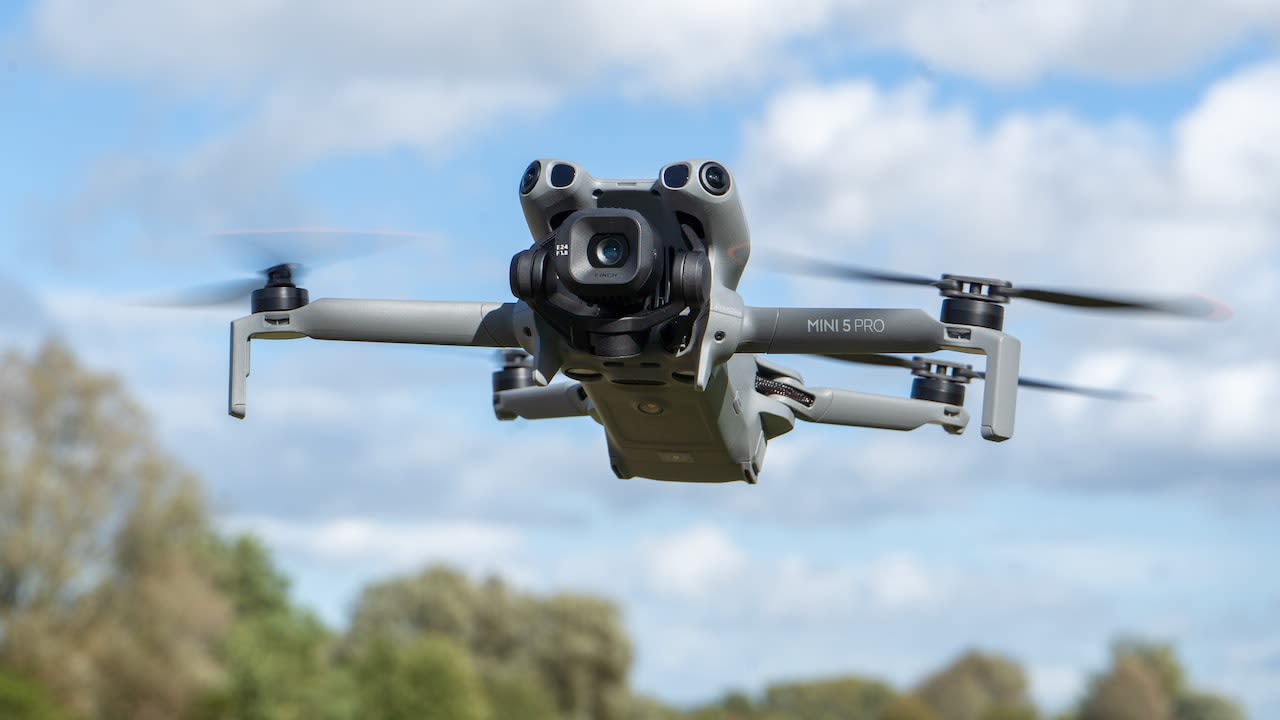
The rapid proliferation of consumer drones has introduced significant legal risks for operators who fail to follow aviation regulations. Improper flight practices can lead to severe criminal penalties, highlighting the need for increased user awareness.
The Expanding Sky: Understanding Drone Regulation Risks
As unmanned aerial systems (UAS) transition from niche hobbyist tools to ubiquitous consumer devices, the regulatory landscape surrounding them has become increasingly stringent. While the technology offers unprecedented perspectives for photography and recreation, the ease of access has outpaced the general public's understanding of aviation law. The core issue is that drone operation is no longer a localized nuisance; it is now viewed as an integral part of national airspace management.
The Gravity of Regulatory Non-Compliance
For the individual pilot, the consequences of improper drone operation are no longer theoretical or abstract. Regulatory bodies, such as the FAA in the United States and similar agencies globally, have moved away from educational warnings toward punitive enforcement. Flying in restricted airspace, such as near airports or government facilities, can lead to immediate intervention by law enforcement. These actions often result in heavy fines and, in cases involving reckless endangerment or interference with manned aircraft, significant jail time.
Historical Context and Technological Shifts
Historically, the sky was the exclusive domain of licensed pilots and commercial carriers. The democratization of flight through consumer drones has challenged this status quo. Early drone policies were relatively lax because the devices were limited in range and battery life. However, as modern drones now feature GPS-guided navigation, high-speed flight capabilities, and long-range transmission, they pose a tangible threat to civil aviation safety, necessitating a shift toward strict, legally enforceable flight protocols.
Broader Implications for Public Safety
The intersection of drone technology and public safety is multifaceted. Beyond the risk of collision, drones raise critical concerns regarding privacy and the potential for misuse in surveillance or smuggling operations. This has forced authorities to adopt a 'zero-tolerance' approach to unauthorized flight paths. When a pilot chooses to ignore altitude limits or 'no-fly' zones, they are not just breaking a technical rule; they are disrupting a complex, interconnected system designed to prevent mid-air disasters.
Future Trends and Compliance
Looking ahead, the integration of Remote ID technologies will likely make it easier for authorities to track and identify drones in real-time. This technological evolution suggests that the 'anonymity' once enjoyed by rogue pilots is rapidly disappearing. Future regulatory trends point toward mandatory digital registration and automated geofencing, which will further minimize the margin for human error. For the modern pilot, the message is clear: operating a drone requires a commitment to safety and a thorough understanding of the legal frameworks that govern the sky.
Conclusion: The Responsibility of the Pilot
Ultimately, the freedom to fly is predicated on the responsibility to adhere to established safety standards. As drones become even more prevalent in our daily lives, the distinction between a harmless hobby and a criminal act will remain defined by the pilot's adherence to aviation law. Understanding these risks is essential for anyone entering the hobby, as the penalties for getting it wrong have become a permanent fixture of the modern legal landscape.
Verification Required?