Keralam seeks Sadya emoji, eyes global branding for traditional feast
Source Entity
India Latest News: Top National Headlines Today & Breaking News | The Hindu
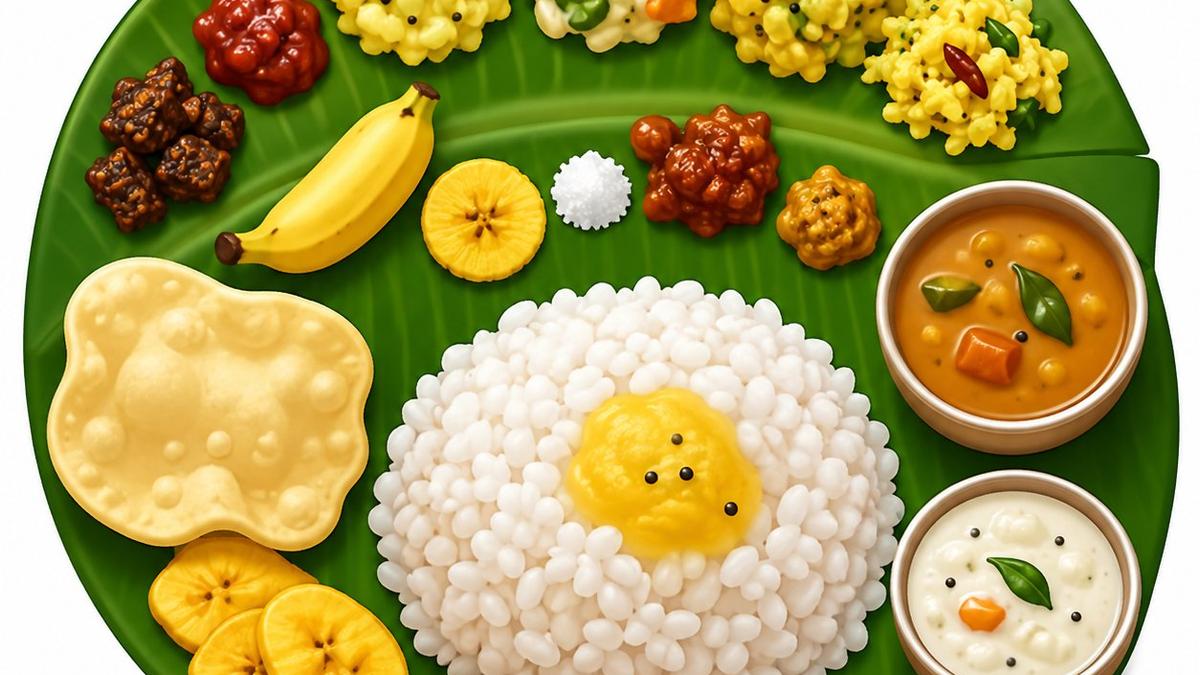
Kerala Tourism has officially requested Apple CEO John Ternus to include a dedicated Sadya emoji in the iOS ecosystem. This initiative aims to elevate the traditional Keralite feast into a globally recognized brand.
The Digital Quest for the Sadya Emoji
In a unique intersection of culinary tradition and digital diplomacy, the government of Kerala, through its tourism department, has formally approached Apple’s newly appointed CEO, John Ternus, with a request to introduce a 'Sadya' emoji to the iPhone’s diverse character library. This initiative, launched via social media in response to Ternus’s recent transition into his leadership role, represents a strategic attempt to modernize the state's cultural branding. By seeking a permanent place for this traditional feast in the global lexicon of digital icons, Kerala aims to bridge the gap between ancient culinary practices and modern technological communication.
Understanding the Cultural Significance of Sadya
The Sadya is not merely a meal; it is a profound cultural statement and a central element of Keralite identity. Typically served on a banana leaf, this grand vegetarian feast comprises a meticulously curated spread of 26 to 28 dishes, encompassing a range of textures, flavors, and nutritional components. From the iconic avial to the sweet payasam, the Sadya reflects the agrarian history and biodiversity of the region. By advocating for an emoji, the state government is attempting to capitalize on the global popularity of food-based iconography, which has become a powerful tool for cultural soft power in the 21st century.
The Intersection of Tourism and Branding
Kerala Tourism’s push is fundamentally a branding exercise designed to increase the state's international visibility. In an era where digital presence dictates global travel trends, securing an emoji would provide the Sadya with unprecedented visibility among billions of smartphone users. While the state acknowledges that the effort is ambitious, the move is rooted in the belief that the global appeal of traditional Indian cuisine is currently underserved in digital communication platforms. By positioning the Sadya as a recognizable international brand, the state hopes to attract a new generation of culinary tourists who are increasingly seeking authentic, immersive cultural experiences.
Navigating Health and Tradition
The project faces a complex landscape, including internal discourse regarding the nutritional profile of the meal. While dieticians have raised concerns regarding the high-calorie density of such a large, multi-dish spread, proponents argue that the cultural value of the Sadya transcends its caloric content. The debate highlights the tension between promoting traditional diets and addressing modern health consciousness. Nevertheless, the state continues to emphasize the feast's role as a symbol of hospitality and unity, factors that are arguably more important to tourism marketing than the specific dietary breakdown of the individual components.
Prospects and Future Implications
The feasibility of this request remains a subject of speculation among bureaucrats and digital analysts alike. Apple’s emoji selection process is historically rigorous and governed by the Unicode Consortium, which requires strict criteria for the adoption of new symbols. Whether or not Apple entertains this specific request, the campaign itself has already succeeded in generating significant media attention and fostering a dialogue about cultural representation in tech. Regardless of the outcome, this initiative serves as a blueprint for how regional governments can utilize social media and digital advocacy to promote their unique heritage on the global stage.
Verification Required?