How 9/11 Impacted Russia's Ties With The West
Source Entity
NDTV News Search Records Found 1000
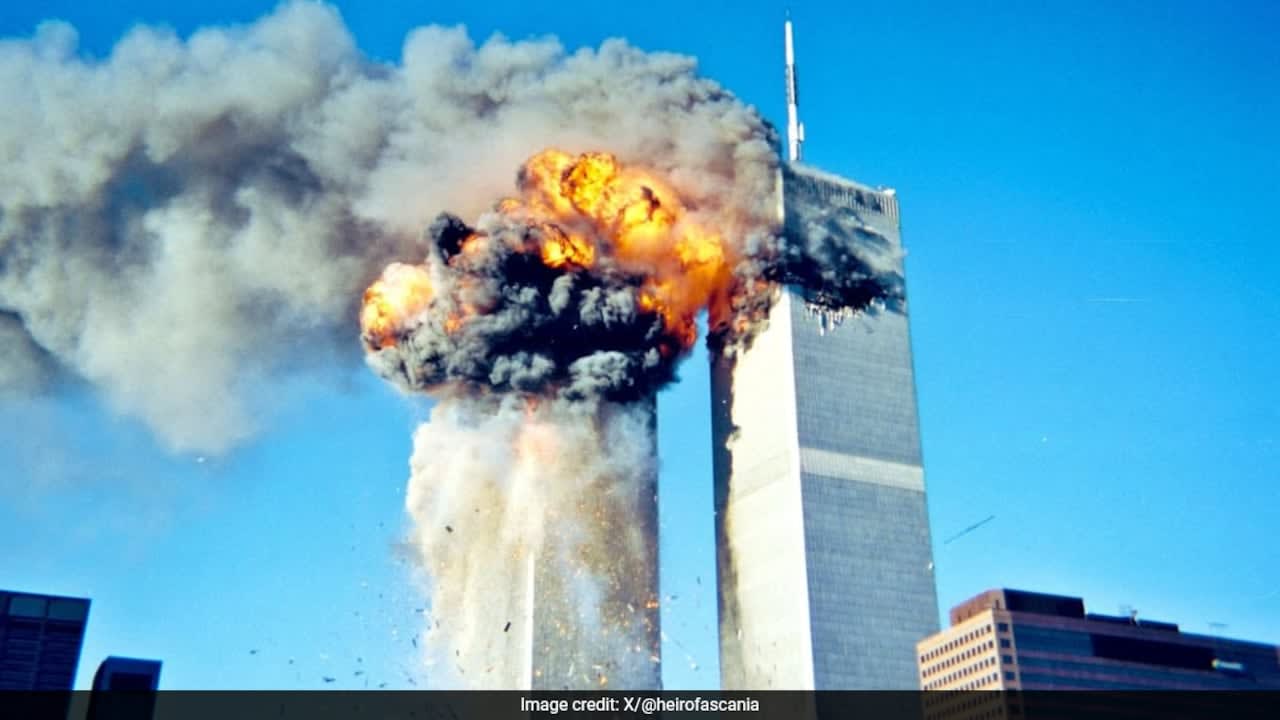
The 9/11 terrorist attacks served as a brief catalyst for unprecedented cooperation between Russia and Western nations in the global fight against terrorism. This alignment marked a temporary shift in geopolitical dynamics, emphasizing shared security interests over historical ideological divides.
The Geopolitical Shift Post-9/11
The terrorist attacks on September 11, 2001, fundamentally altered the international security landscape, forcing a recalibration of alliances that had been stagnant since the end of the Cold War. In the immediate aftermath, Western nations—led by the United States—found a surprising and willing partner in the Russian Federation. This period represented a rare moment of alignment where the existential threat of global terrorism transcended the deep-seated mistrust that had characterized the post-Soviet era.
A Unified Front Against Extremism
Following the attacks, the Kremlin was among the first to offer intelligence and logistical support to the United States. Recognizing that radical extremism posed an equal threat to Russia's own internal stability, particularly regarding the insurgency in the North Caucasus, Moscow pivoted toward a collaborative posture. This cooperation included the sharing of tactical intelligence and the opening of transit corridors, which proved critical for the early stages of the mission in Afghanistan.
Historical Context of the Alliance
To understand the significance of this shift, one must look at the preceding decade of relations. Throughout the 1990s, Russia and the West struggled to define a post-Cold War partnership, often clashing over NATO expansion and regional influence. The 9/11 tragedy provided a common enemy that momentarily silenced these disputes, creating a framework for the NATO-Russia Council, which was established in 2002 to formalize this newfound cooperation on security matters.
Broader Implications for Global Security
This era of cooperation demonstrated that even nations with diametrically opposed political systems could find common ground under the pressure of a global security crisis. By prioritizing counter-terrorism, Russia and the West were able to momentarily bridge the gap between their disparate domestic agendas. This period highlighted that security was no longer a zero-sum game, but a collaborative effort requiring transnational coordination and shared operational goals.
Future Trends and Legacy
While the initial spirit of cooperation eventually waned as geopolitical interests began to diverge once more, the post-9/11 era remains a critical study in crisis diplomacy. It serves as a historical reminder of how external shocks can temporarily override long-standing tensions. Analysts often look back at this period to assess the fragility of such alliances, noting that without a sustained, shared threat, cooperation between major powers remains highly susceptible to shifts in national policy and strategic competition.
Summary of the Strategic Realignment
In summary, the immediate aftermath of 9/11 created a unique window in history where Russia and the West aligned their strategic objectives to counter the rise of international terrorism. While this partnership was eventually superseded by a return to competitive geopolitics, it stands as a testament to the power of shared security threats in driving international cooperation.
Verification Required?