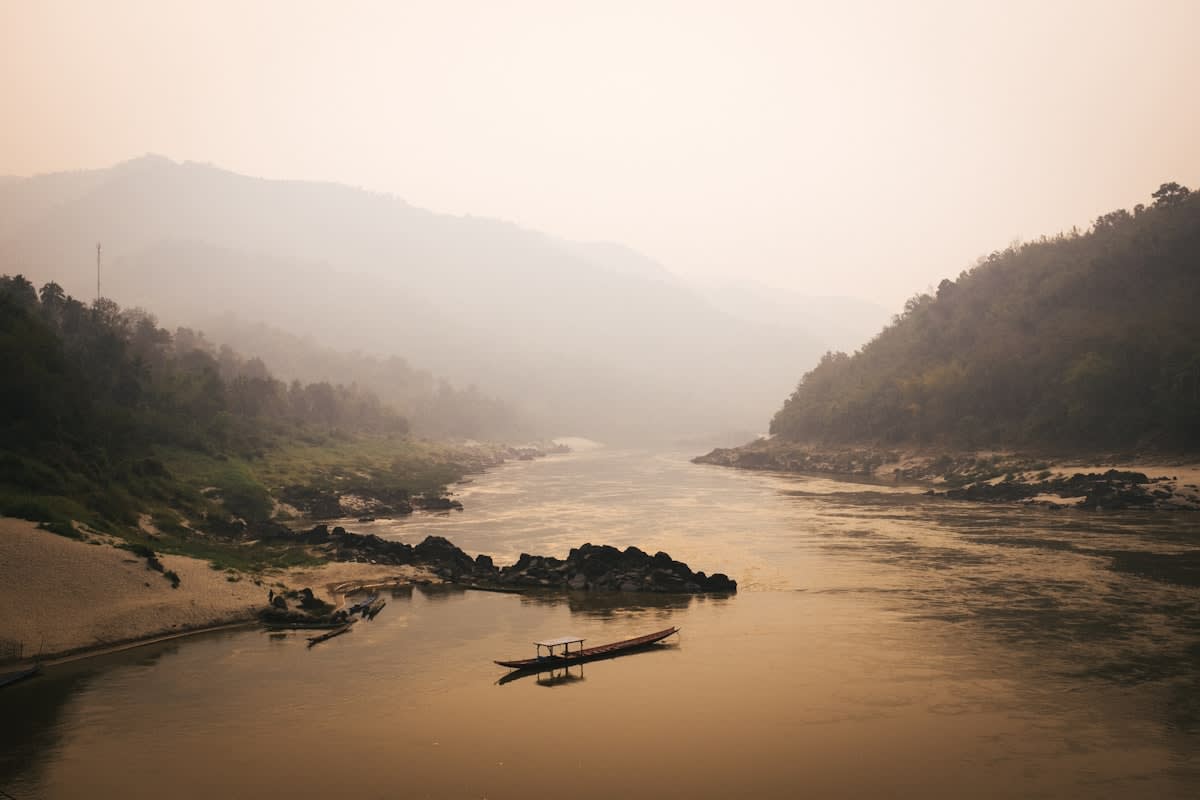
For decades, the global approach to rising sea levels in agricultural hubs has been defensive. We built dykes, we pumped water, and we prayed the salinity wouldn't breach the perimeter. But in the Mekong Delta, a fundamental shift is occurring. The conversation has moved from 'how do we stop the salt' to 'how do we thrive with it.' This isn't just a localized survival tactic; it is a systemic pivot in how we conceptualize food security in an era of volatile climates. When you stop viewing saltwater intrusion as a disaster and start seeing it as a new environmental baseline, the entire agricultural playbook changes.
The core of this transformation lies in the seed business. For half a century, the 'Green Revolution' was obsessed with maximum yield—the most grains per square meter regardless of the environment. That era is dead. Today, the commercial value of a seed is no longer just its peak output, but its stability under stress. Farmers are increasingly willing to pay a premium for yields that hold up under heat, drought, and salinity (Source: AgroSpectrum India, 2026). This represents a massive psychological shift in the market: resilience is now a tradable commodity.
The Yield Paradox: Resilience Over Volume
Why does this matter on a global scale? Because the Mekong Delta is a bellwether for other low-lying regions, from the coastlines of Bangladesh to the river deltas of Africa. In Vietnam, the integration of climate-resilient rice varieties is being paired with modernized irrigation and salinity monitoring to reshape agricultural planning (Source: AgroSpectrum India, 2026). It is a move away from the 'monoculture of strength' toward a 'diversity of endurance.' The goal is no longer to break records in a perfect year, but to ensure a floor of productivity in a bad one.
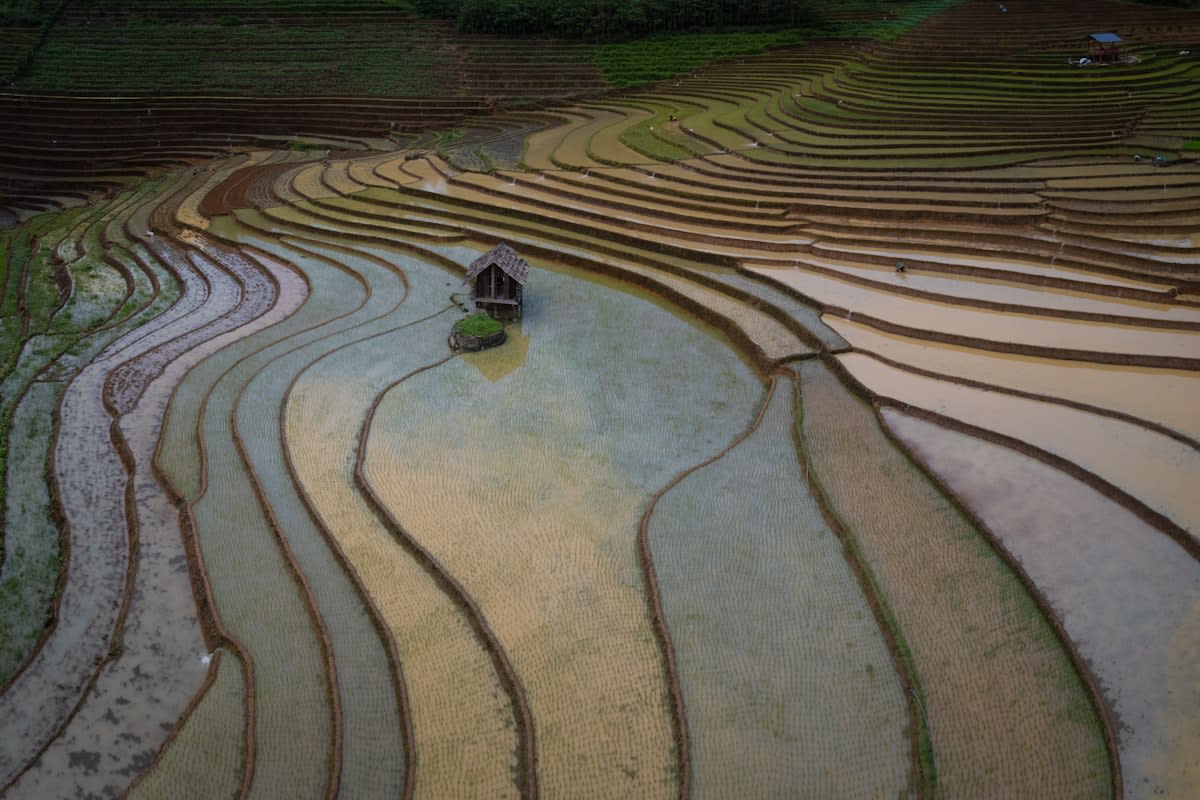
This shift is supported by a network of public research institutions and private breeders, with organizations like the International Rice Research Institute (IRRI) working to shorten breeding cycles (Source: AgroSpectrum India, 2026). By accelerating the movement of new varieties from the lab to the field, the industry is treating climate adaptation as a rapid-response operation rather than a slow academic exercise. Is this enough to offset the rising tides? Perhaps not entirely, but it changes the timeline of failure from 'imminent' to 'manageable.'
| Metric | Traditional High-Yield Model | Climate-Resilient Model |
|---|---|---|
| Primary Goal | Maximum output per hectare | Stability across environmental stress |
| Risk Profile | High failure rate during salinity spikes | Consistent, moderate yield in saline conditions |
| Water Strategy | Flood control and exclusion | Precision management (AWD, Fertigation) |
| Economic Driver | Volume-based commodity pricing | Value-based, certified sustainable pricing |
Beyond the seeds, there is a critical evolution in how technology is deployed. We are seeing a move away from simple 'technology transfer'—where a wealthy nation sells a tool to a developing one—toward 'co-development.' The partnership between Vietnam and Israel is a prime example. Instead of just buying Israeli irrigation kits, the focus is shifting toward creating living laboratories across Vietnam to address specific regional challenges like water and salinity management in the Mekong Delta (Source: QDND, 2026). This is a sophisticated approach: it acknowledges that a tool designed for the Negev desert needs fundamental redesigning to work in a tropical delta.
"Developing aquaculture in accordance with new conditions is crucial; in the Mekong Delta, the shrimp industry plays a particularly important role in terms of area, export value, and creating livelihoods for the people."— Tran Dinh Luan, Representative of the Dutch government support initiatives in Vietnam
This co-development extends to the Netherlands, which has supported Vietnam since 2017 with solutions for climate adaptation and combating coastal erosion (Source: Vietnam.vn, 2026). The Dutch expertise in water management isn't being copy-pasted; it is being integrated into the Vietnamese government's sustainable development policy. This is how systemic shifts actually happen: not through a single 'breakthrough' invention, but through the iterative blending of global expertise with local ecological reality.
The Great Pivot: From Rice to Shrimp
But let's be honest: salt-tolerant rice is a bridge, not a destination. The real systemic shift is the restructuring of the entire land-use model. In many parts of the Delta, the move is from rice to shrimp. This isn't a surrender to the sea; it's a strategic pivot to a higher-value commodity that naturally thrives in the conditions the sea provides. The shrimp industry is being restructured to focus on value over volume, prioritizing environmental protection and biodiversity to meet the demands of international importers (Source: Vietnam.vn, 2026).
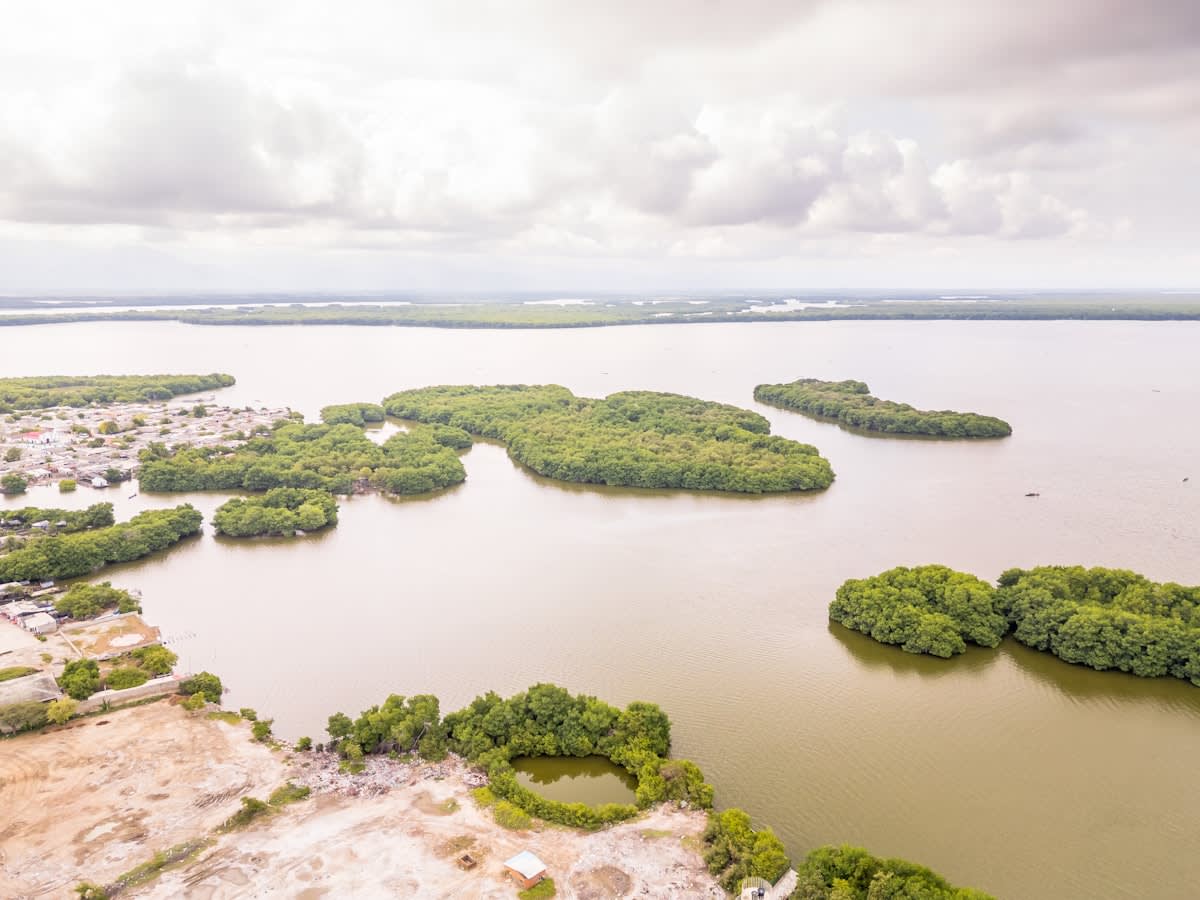
This is where the rubber meets the road for the practitioner. On the ground, this transition is fraught with friction. While the macro-economic data looks promising, the reality for the small-scale farmer is a struggle with investment costs. Many shrimp farms in the Mekong Delta are too small to easily implement high-cost sustainability measures, such as optimizing mangrove forest ratios for water quality (Source: Vietnam.vn, 2026). The debate among field practitioners isn't about whether the shift is necessary—it is about who pays for the transition.
From my years in the field, I've seen this play out repeatedly. The 'top-down' policy of shifting to shrimp looks great in a government report, but the 'bottom-up' reality is a precarious gamble for a farmer with two hectares of land. The real friction occurs when farmers are asked to achieve ASC (Aquaculture Stewardship Council) certification. While over 500 Vietnamese shrimp farms have achieved this (Source: Vietnam.vn, 2026), the cost of entry remains a barrier. We are seeing a tension between the global market's demand for 'sustainability' and the farmer's need for 'solvability.'
Global Echoes: The Delta Pattern
This pattern is not unique to Vietnam. In Bangladesh, similar urgencies are driving the cultivation of salt-, drought-, and waterlogging-tolerant crops in regions like Patuakhali (Source: Daily Sun, 2026). Whether it is the Mekong or the Ganges-Brahmaputra, the systemic shift is the same: the abandonment of the 'static' agricultural model in favor of a 'fluid' one. The next Green Revolution won't be about increasing the ceiling of production, but about raising the floor of survival.
- Shift from 'Technology Transfer' to 'Co-Development' with partners like Israel and the Netherlands.
- Transition from high-yield seed obsession to resilience-based seed valuation.
- Restructuring of land use from rice monocultures to integrated rice-shrimp systems.
- Movement toward value-added certifications (ASC) to capture higher international market prices.
The ultimate success of these initiatives depends on scaling solutions that already work. Drip irrigation, alternate wetting and drying (AWD) in rice, and precision nutrient management are not 'breakthroughs'—they are existing tools that require systemic scaling (Source: AgroSpectrum India, 2026). The challenge is no longer scientific; it is logistical and financial. If we can bridge the gap between the high-cost requirements of sustainability and the low-margin reality of small-scale farming, the Mekong Delta will provide the blueprint for the rest of the world.
Fact-Check & Accuracy Note
Key claims regarding the shift to salt-tolerant seeds and the role of IRRI are sourced from AgroSpectrum India (2026). Information on Vietnam-Israel and Vietnam-Netherlands cooperation is sourced from QDND (2026) and Vietnam.vn (2026). The specific mention of ASC certification and shrimp industry restructuring is attributed to Vietnam.vn (2026). There remains an ongoing debate in the field regarding the financial viability of these transitions for small-holder farmers versus large agribusinesses.