On what basis has the Gujarat government ‘gifted’ a plot to Yusuf Pathan?
Source Entity
Aditi Raja
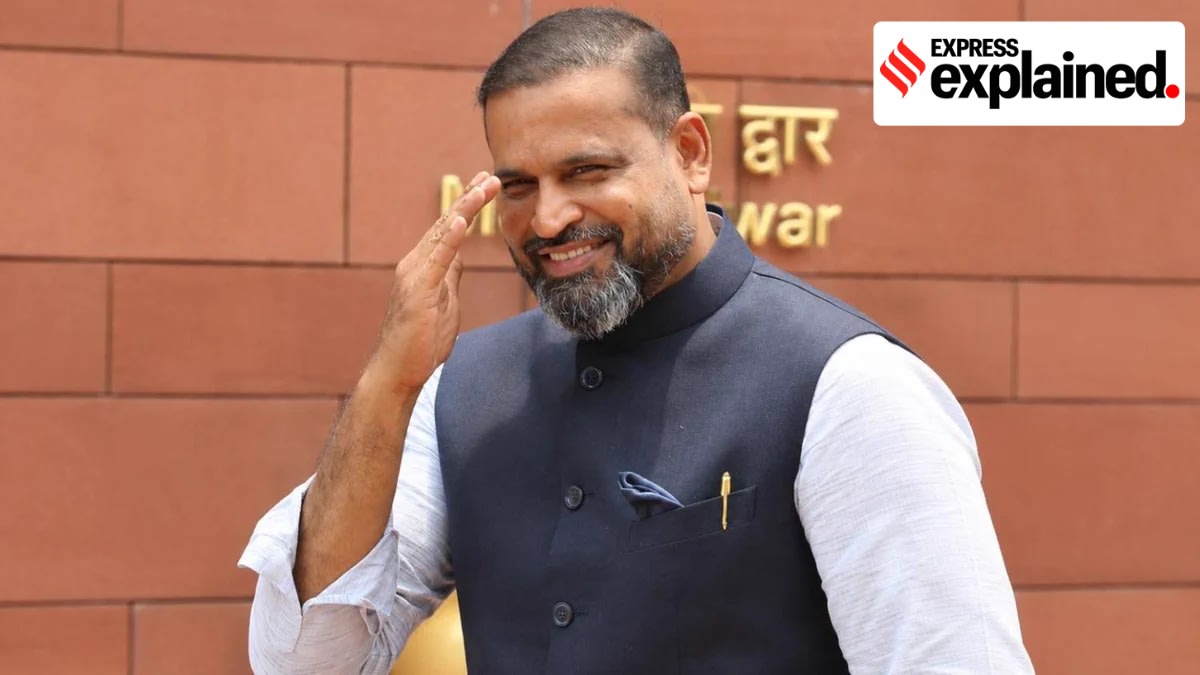
The Vadodara Municipal Corporation has approved the allotment of a 978-square-metre plot to MP Yusuf Pathan, ending a long-standing land dispute. The decision follows a recent government resolution and Pathan's political shift toward the NDA.
The Pathan Land Allotment: A Complex Convergence of Law and Policy
The recent decision by the Standing Committee of the BJP-ruled Vadodara Municipal Corporation (VMC) to allot a 978-square-metre plot to former cricketer and current Lok Sabha MP Yusuf Pathan marks the conclusion of a saga spanning over a decade. First requested in 2012, the land acquisition process has been characterized by legal friction, including an encroachment notice served by the VMC to Pathan just two years ago. The unanimous approval by the 12-member BJP committee signals a significant shift in the local administration’s stance toward the former athlete.
Regulatory Framework and Procedural Shift
The allotment is governed by the Urban/Area Development Authorities (Disposal of Land and Other Properties) Regulations, 2002. According to the details provided, the structure of the deal involves a split: 500 square metres are designated as a 'gift' for residential use, while the remaining 478 square metres are allocated under separate terms. This resolution, approved by the Gujarat government on August 13, prompted Pathan to withdraw his pending appeal before the Gujarat High Court, effectively clearing the path for the municipal body to finalize the transfer.
Political Context and Strategic Realignment
Observers have noted the timing of this development, which follows Yusuf Pathan’s recent political transition from the Trinamool Congress (TMC) to the NDA fold. While the VMC emphasizes that this allotment is a unique exception that must not serve as a precedent, the political optics of the decision are under scrutiny. The transition from being a subject of an encroachment notice to a recipient of a municipal land gift highlights the fluid nature of political relationships and the influence that high-profile figures can exert on local governance structures.
The Question of Precedent and Governance
The VMC’s explicit disclaimer that this decision is an 'exception' reflects an awareness of the potential for public and legal backlash. By formally noting that this case should not be used as a precedent, the Standing Committee is attempting to insulate the corporation from future litigation or demands from other citizens seeking similar land grants. This highlights a critical tension in municipal governance: the balance between discretionary authority and the need for standardized, equitable administrative processes.
Future Implications and Ratification
Although the Standing Committee has provided its approval, the matter must still be placed before the General Board, the top legislative body of the civic administration, for final ratification. As the process moves forward, the focus will remain on whether the General Board maintains the same unanimity and how the administration defends the 'gift' aspect of the land transfer. This case serves as a quintessential example of how urban land disputes in India often intersect with political shifts, requiring a delicate navigation of both civil regulations and executive policy.
Multiple Citing Sources