Delhi High Court rejects Neha Bora’s plea against ‘peace bond’ notice
Source Entity
Sohini Ghosh
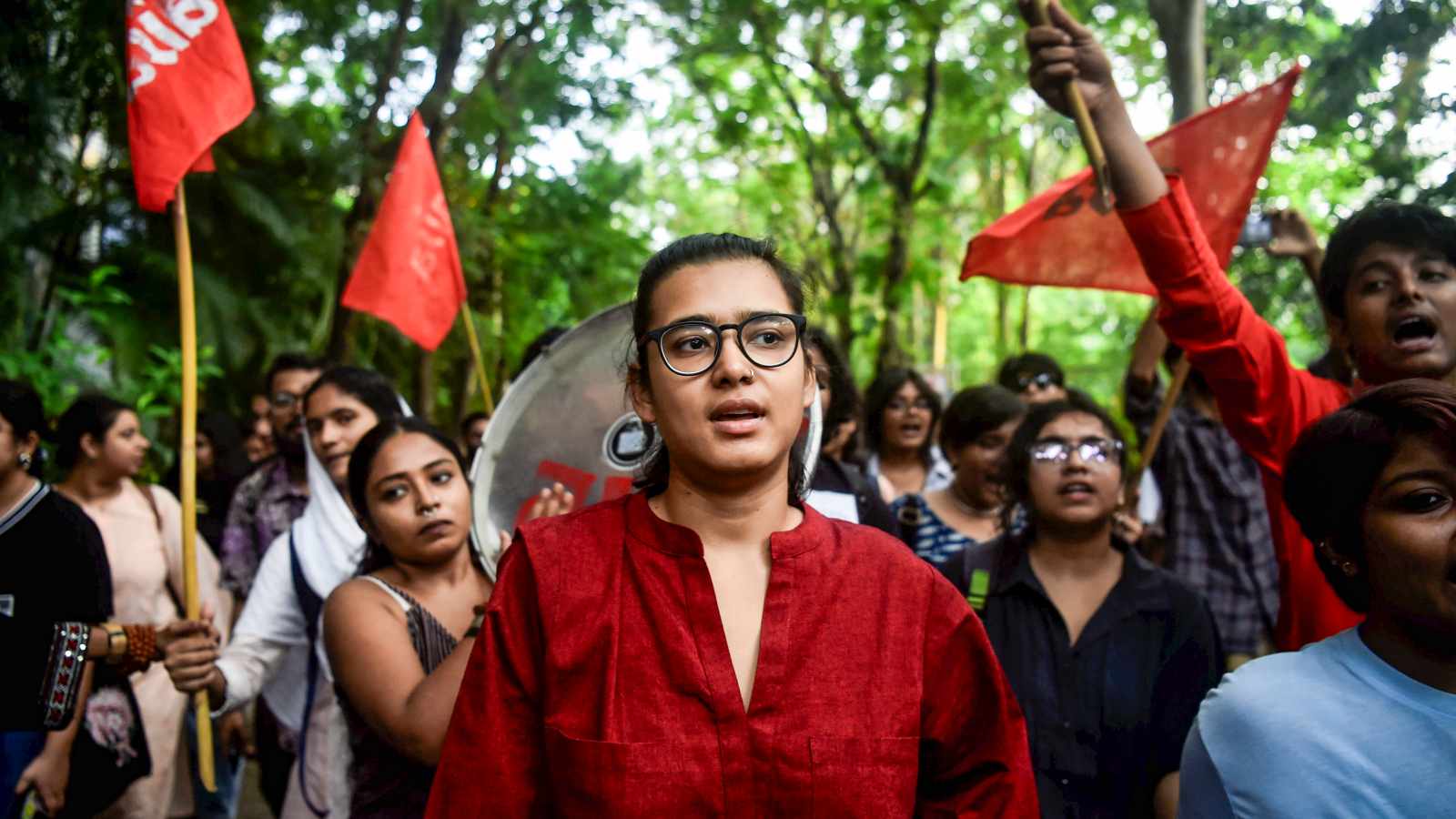
The Delhi High Court has dismissed AISA president Neha Bora's challenge against a police-issued peace bond notice. While the court upheld the proceedings, it mandated that the Special Executive Magistrate provide all relevant evidence to the petitioner to ensure due process.
Delhi High Court Upholds Peace Bond Notice Against Student Leader
In a significant legal development on October 23, 2026, the Delhi High Court dismissed a writ petition filed by Neha Bora, the president of the All India Students’ Association (AISA). The petition sought to challenge a police notice requiring her to execute a 'peace bond' before a Special Executive Magistrate (SEM). This ruling marks a pivotal moment in the ongoing discourse regarding the intersection of public order, police authority, and the rights of student activists in the national capital.
The Legal Context of Peace Bonds
Peace bonds are preventive legal instruments utilized by authorities to maintain public order, often invoked against individuals perceived as potential threats to peace. In the context of the recent wave of protests in Delhi, where Neha Bora has been repeatedly detained and released, the state’s utilization of these bonds reflects a standard, albeit contentious, mechanism for administrative control. The court’s decision to reject the plea at this juncture indicates a judicial inclination to allow administrative proceedings to run their course, provided that procedural safeguards are strictly maintained.
Ensuring Due Process and Transparency
While Justice Subramonium Prasad denied the request to quash the notice, the court emphasized the necessity of procedural fairness. The ruling explicitly directed the Special Executive Magistrate to furnish all materials related to the proceedings to Neha Bora. This mandate acts as a critical safeguard, ensuring that the petitioner is not subjected to arbitrary administrative action without the ability to review the evidence leveled against her. By compelling the SEM to provide full disclosure, the court is balancing the state’s interest in maintaining order with the individual's right to mount an effective defense.
Broader Implications for Student Activism
The case of Neha Bora highlights the recurring friction between student-led political mobilization and the state's regulatory response. As a figurehead of the AISA, Bora’s legal battles reflect broader trends in student activism in Delhi, where protest movements are increasingly met with specialized legal scrutiny. The court's insistence that the SEM consider whether the bond is necessary before passing any order suggests that while the state has broad powers to prevent disorder, those powers are subject to judicial oversight to prevent potential overreach.
Future Trends in Judicial Oversight
Looking forward, this judgment sets a precedent for how the Delhi High Court may handle similar challenges in the future. By refusing to preemptively strike down the notice while simultaneously imposing strict transparency requirements, the judiciary is signaling a 'middle-ground' approach. It avoids interfering with the executive branch's duty to preserve peace, yet ensures that the legal process remains transparent and evidence-based. This development will likely influence how future peace bond notices are contested, with a heavy emphasis on the 'right to information' regarding the evidence supporting such police actions.