SEM shares breach-of-peace details with AISA chief Neha Bora; next hearing on Oct 29
Source Entity
AADRITA HALDER
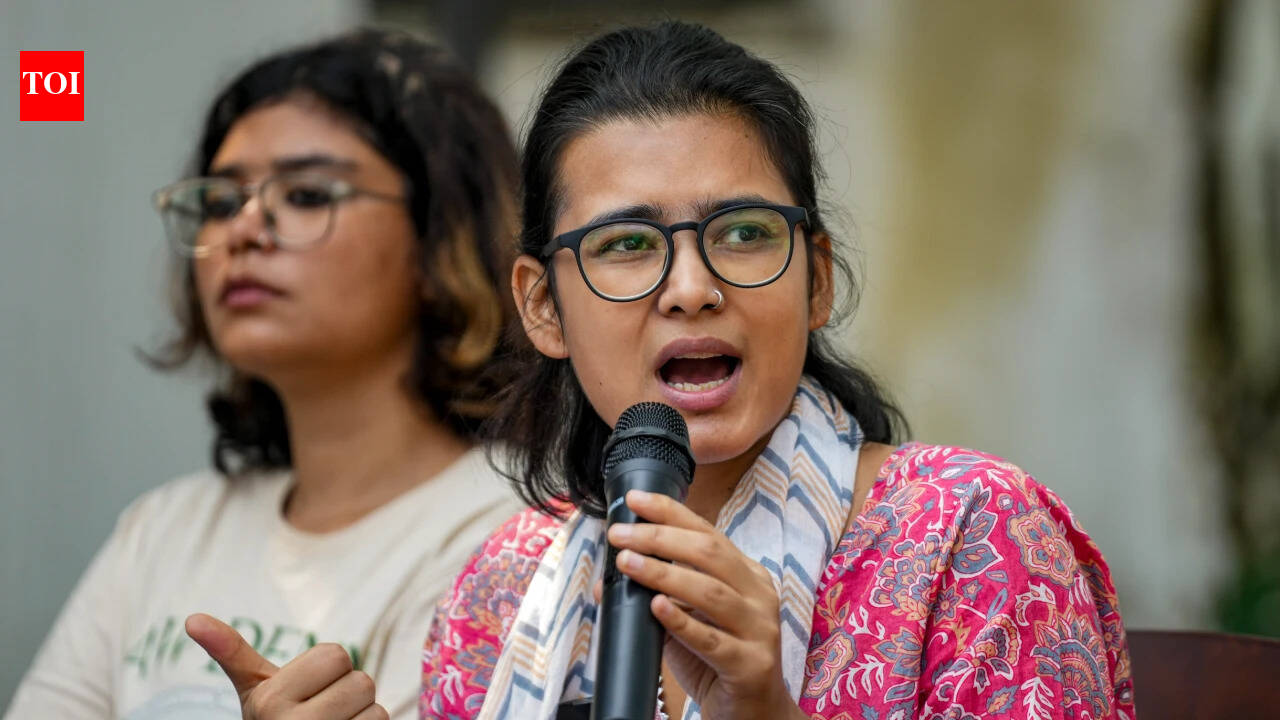
AISA president Neha Bora has refused to sign a Delhi Police peace bond after the Delhi High Court dismissed her plea against the notice. The dispute centers on ongoing student protests regarding electoral roll revisions and concerns over potential disenfranchisement.
The Legal Stand-off: Neha Bora and the Peace Bond Controversy
Recent developments in Delhi have brought the intersection of student activism and judicial oversight into sharp focus. Neha Bora, the president of the All India Students Association (AISA), has publicly defied a peace bond notice issued by the Delhi Police. This defiance follows a significant legal setback at the Delhi High Court, which dismissed her plea challenging the validity of the notice. The court’s decision was rooted in the assessment that the Special Executive Magistrate possessed sufficient evidence to warrant the issuance of such a notice, particularly in light of existing FIRs linked to public order violations.
Understanding the Peace Bond Mechanism
A peace bond is a legal instrument often utilized by authorities to prevent potential breaches of public order. In this specific case, the Special Executive Magistrate required Bora to show cause as to why she should not execute a bond of Rs 10,000, along with a surety, to ensure the maintenance of peace. While the state views this as a preventive measure to manage potential unrest in busy commercial districts, activists like Bora perceive it as a tactical tool to curtail the right to assembly and dissent.
The Core of the Dispute: Electoral Integrity
At the heart of the protests led by Bora is the Special Intensive Revision (SIR) of electoral rolls. According to the activists, this process poses a significant threat of disenfranchisement to voters. By taking to the streets, these students, lawyers, and concerned citizens aim to hold the Election Commission accountable for the transparency and inclusivity of the voting process. For the protest organizers, the fear is not merely about administrative changes, but the fundamental erosion of democratic rights.
The Rhetoric of Dissent and Public Order
Neha Bora’s refusal to sign the bond is framed by her as a principled stand against the chilling effect that such legal pressures have on democratic participation. She argues that the real concern for society should not be the continuation of protests, but rather the moment when citizens begin to fear the consequences of exercising their right to dissent. This narrative highlights the tension between the state's mandate to maintain public order and the citizen's right to question administrative procedures.
Broader Implications for Student Activism
The dismissal of the plea by the Delhi High Court sets a precedent for how future protests may be handled in the capital. By validating the Magistrate's authority to issue these notices based on prior FIRs, the judiciary has reinforced the state's capacity to intervene in protest movements. This case serves as a critical study of how legal administrative procedures—often intended for maintaining order—can become central arenas for political struggle in a vibrant democracy.
Future Outlook and Conclusion
As the situation evolves, the standoff between student leaders and law enforcement will likely continue to test the boundaries of civil liberties in India. The refusal to sign the bond signals a willingness among activists to face legal repercussions rather than concede to administrative constraints. Moving forward, the outcome of this tension will depend on whether both the state and the activists can find a middle ground that balances public safety with the essential democratic requirement of open political expression.