Tiger Shroff's shooters received real-time updates, instructions based on media coverage
Source Entity
Latest News: Todays Latest News Headlines from India & World | Hindustan Times | Hindustan Times
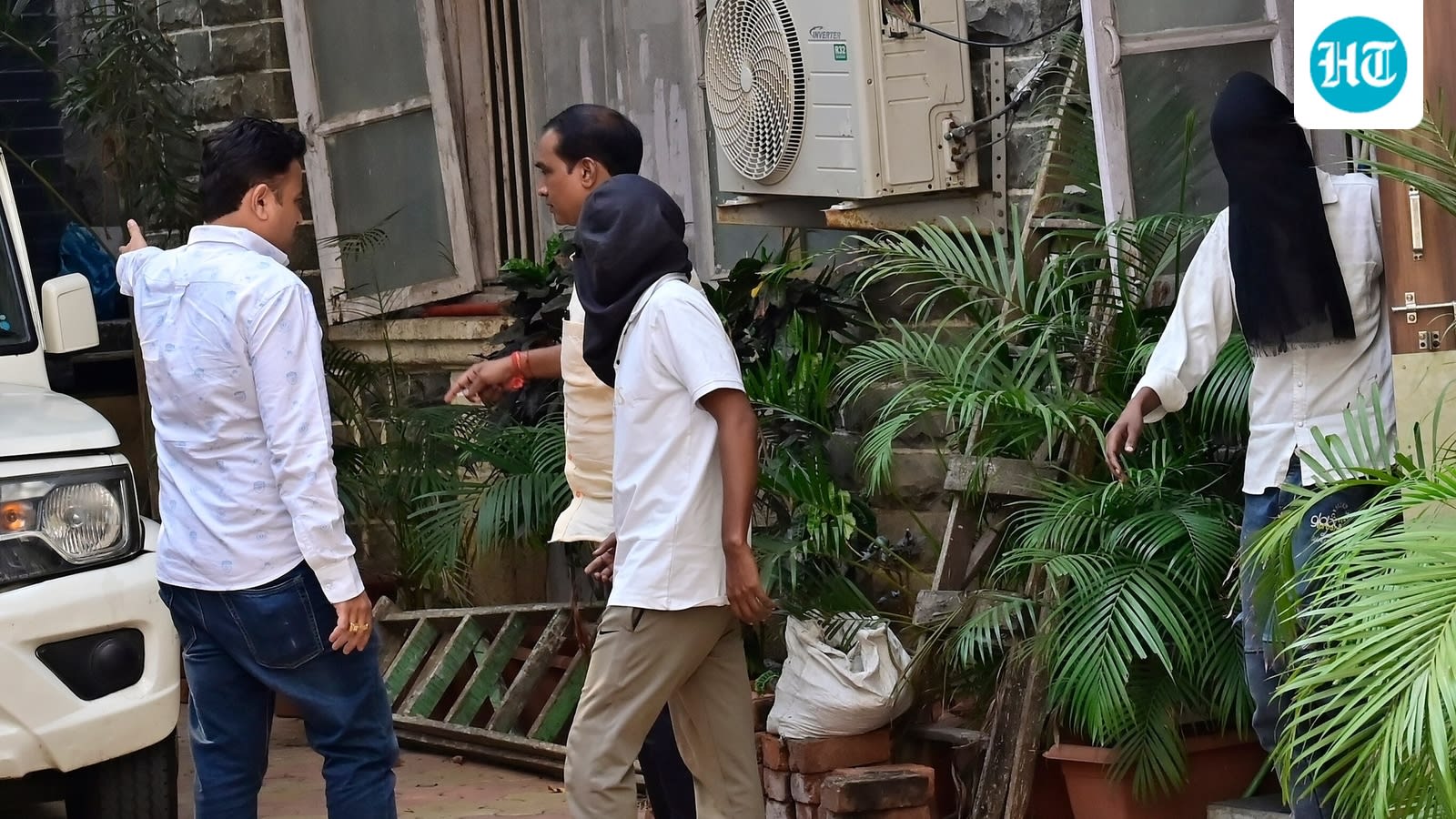
Shooters who attacked actor Tiger Shroff’s car in Juhu were reportedly guided by handlers monitoring live TV news reports. The incident highlights the dangerous misuse of real-time media coverage in criminal operations and has sparked concerns about organized crime networks in Bollywood.
The Digital Shadow: How Media Became a Tool for Criminals
On October 18, a brazen attack on actor Tiger Shroff’s vehicle in Juhu, Mumbai, escalated into a high-stakes cat-and-mouse chase between perpetrators and the Mumbai Police. Beyond the initial violence, which resulted in injuries to two individuals, including the actor's driver, the investigation has unveiled a chilling reality: the attackers were not operating in a vacuum. Instead, they were being actively guided by handlers who utilized real-time television news coverage to monitor the police response and adjust their escape route accordingly.
The Weaponization of Information
The investigation reveals that the shooters maintained communication via messaging apps with external handlers. These handlers reportedly watched news channels closely, relaying updates about the progress of the police investigation to the perpetrators on the ground. This symbiotic relationship between media consumption and criminal evasion provided the attackers with an tactical advantage, allowing them to dodge law enforcement as they fled the scene on a motorcycle. The situation reached a critical juncture when news outlets broadcasted images of the shooters, prompting their handlers to send the urgent directive: “Tumhare chehre aa gaye hain, nikal jao waha se” (your faces are out, get out of there).
The Limits of Law Enforcement
While Mumbai Police have successfully apprehended three suspects in the aftermath of the shooting, the digital trail suggests a deeper, more complex network. Authorities are currently working to identify the specific individuals responsible for relaying the news updates to the shooters. The inability of the police to immediately intercept this flow of information highlights the difficulty of policing in an age where information travels faster than physical response teams. Joint Commissioner (Crime) Anil Kumbhare has remained unavailable for comment, underscoring the sensitivity and ongoing nature of the investigation.
A Broader Critique of Bollywood Safety
Filmmaker Ram Gopal Varma has offered a sobering perspective on the arrests, cautioning the public and the industry against premature celebration. Varma argued that the individuals currently in custody may be mere "construction workers" of a much larger, more sophisticated architectural plan. By comparing the shooters to common laborers who execute a task without necessarily being the architects of the violence, Varma suggests that the actual decision-makers remain at a safe distance, shielded from the immediate consequences of their actions.
Casting Realism vs. Reality
In a poignant reflection on the nature of criminality, Varma also noted the appearance of the arrested suspects, observing that they lacked the stereotypical aesthetic of a cinematic villain. He jokingly tagged casting director Mukesh Chhabra, noting that these men would likely not be cast in films because they do not conform to the conventional look of a movie antagonist. This commentary highlights a recurring theme in the industry: the disconnect between the dramatized world of Bollywood crime and the mundane, often chillingly ordinary, appearance of real-life perpetrators.
Conclusion
The attack on Tiger Shroff serves as a grim reminder of the persistent threats looming over the Indian film industry. As investigations continue, the incident raises significant questions regarding the role of media in criminal operations and the structural depth of the networks that target high-profile figures. While the arrests provide a measure of justice, the broader concerns regarding the safety of Bollywood personnel and the sophistication of those orchestrating such attacks remain at the forefront of public and law enforcement discourse.
Verification Required?