
For decades, the Michelin star was the only currency that mattered in the kitchen. It was a binary of success: you either had the star, or you were invisible. This assumption is now dead. The industry is witnessing a hard turn where the pursuit of the star is no longer seen as the peak of a career, but often as a gilded cage that restricts creativity and bankrupts the operator.
Look at the delta between 2023 and early 2024. A year ago, the conversation centered on how to attract the inspectors. Now, the dialogue has shifted toward 'de-starring' and the liberation that comes with it. In cities like Tokyo and Copenhagen, the most coveted tables are no longer the ones with three stars, but the ones that are impossible to book because they reject the formal constraints of the Guide entirely. The prestige has migrated from the institution to the individual.
The Invisible Friction of the Star Tax
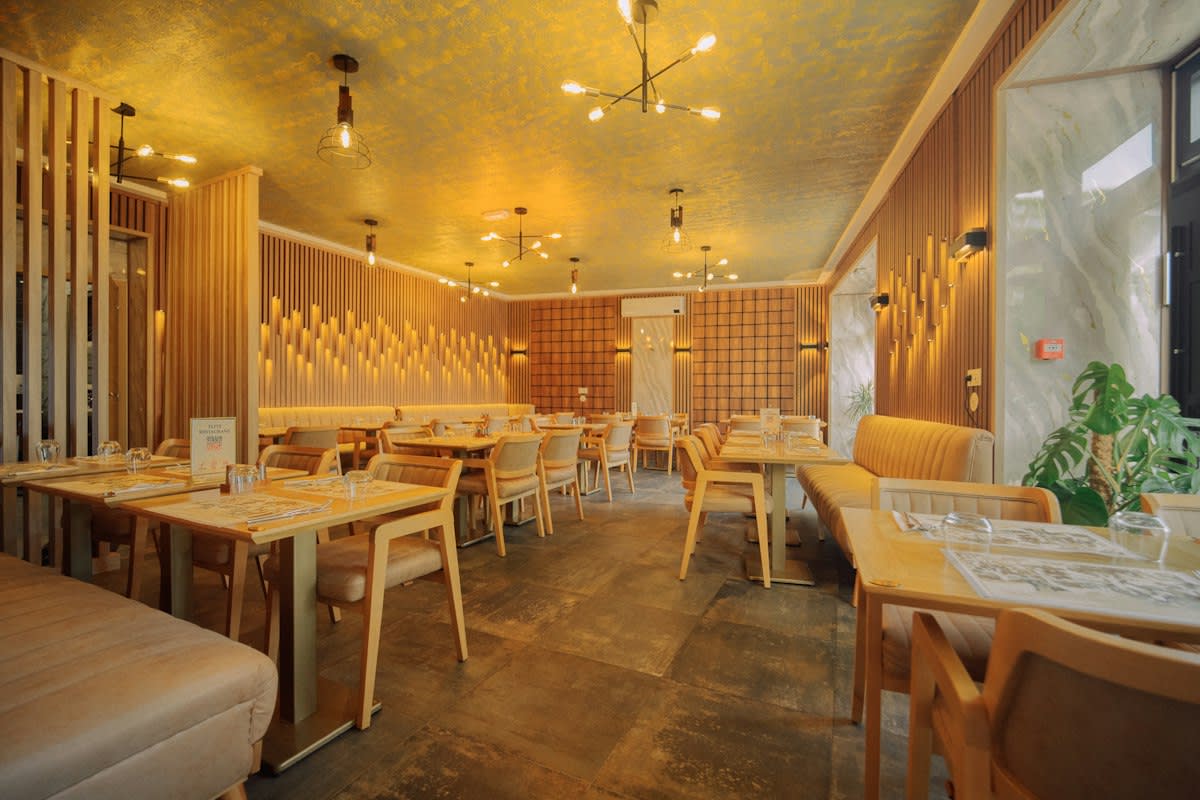
There is a hidden cost to the star that never makes it into the press releases. I have sat in kitchens where the tension is thick enough to cut with a petty knife, not because of the food, but because of the 'star tax.' This is the crushing overhead required to maintain the Guide's expectations: the oversized wine lists, the army of servers in pressed uniforms, and the obsessive focus on linens. When a restaurant chases a star, the budget often shifts from the quality of the produce to the performance of the service. It is a contradiction that kills the soul of the cooking.
This friction creates a dangerous loop. To keep the star, you must maintain the standard. To maintain the standard, you raise prices. Eventually, you price out the local community and become a tourist museum. This is the structural break we are seeing now. Chefs are realizing that the financial reward of a star often fails to offset the operational misery required to keep it.
"The obsession with a single set of criteria from a tire company has historically stifled the evolution of regional cuisines, forcing a French-centric lens on global flavors."— Industry Analyst, Global Culinary Trends Report
Is the red book still relevant? Yes. But its role has changed. It is no longer the kingmaker; it is a discovery tool. The power has shifted toward a web of decentralized influence—Instagram, specialized food critics, and the World's 50 Best list—which prioritizes 'vibe' and innovation over the rigid technicality of the Michelin playbook.
Global Divergence: From Paris to Bangkok
The erosion of Michelin's currency is most evident in non-Western hubs. In Bangkok, the Guide's decision to award stars to street food vendors was a bold move, but it also highlighted a fundamental truth: the quality of the food is decoupled from the luxury of the setting (Source: Michelin Guide SE Asia, 2023). When a plastic stool in a humid alley is given the same prestige as a velvet chair in a hotel, the 'luxury' aspect of the star evaporates.
In Seoul and Tokyo, we see a similar trend. The rise of 'Omakase' culture has created a parallel prestige economy. Here, the currency is not a star, but the 'connection'—who you know and whether the chef will even let you through the door. This exclusivity is far more potent than a public badge of honor. It creates a closed loop of status that Michelin cannot penetrate.
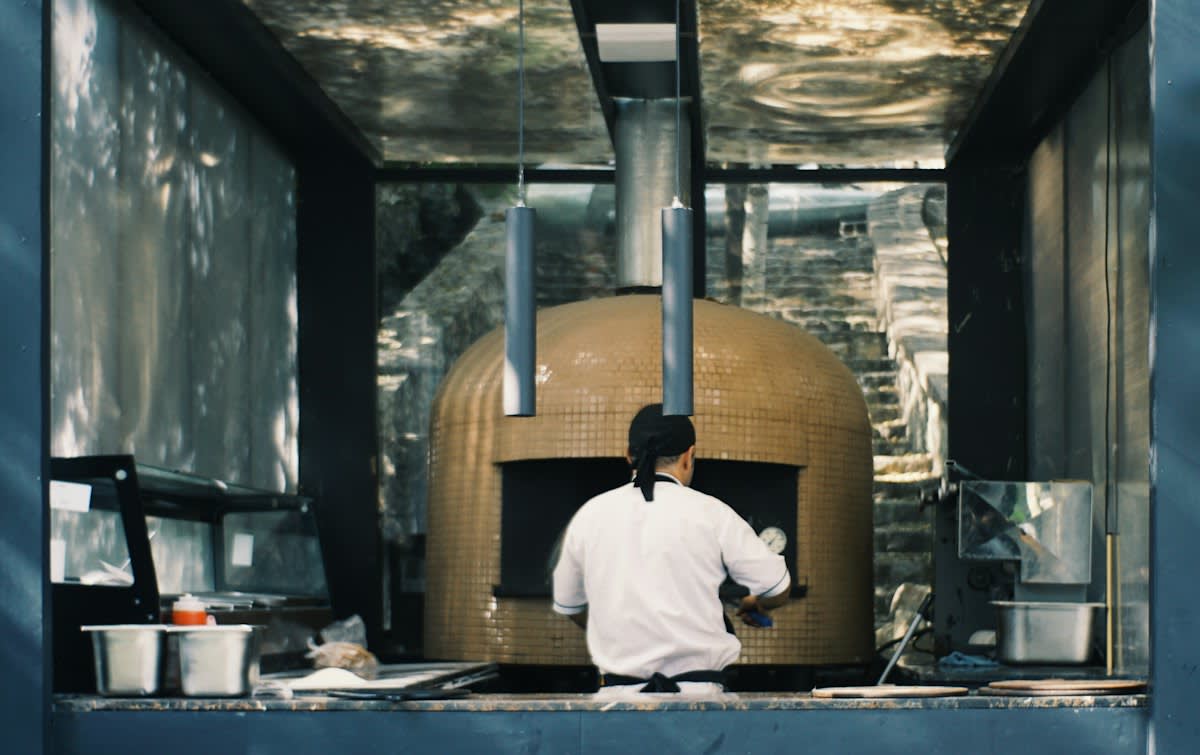
This shift represents a hard turn in how we define culinary excellence. We are moving away from the 'temple' model of dining—where the guest is a passive recipient of a chef's vision—toward a more collaborative, raw experience. The new currency is authenticity, not perfection.
The New Playbook: Casualization and Autonomy
What replaces the star? A diversified portfolio. The most successful chefs today are not clinging to one three-star flagship. Instead, they are building a web of smaller, more agile concepts. They might have one high-end spot for the ego, but their real profit and creative freedom come from a casual bistro, a bakery, or a pop-up series.
This strategy provides staying power. If a flagship loses a star, it is a public tragedy. If a casual bistro closes, it is a strategic adjustment. By diversifying, chefs are insulating themselves from the whims of a few anonymous inspectors. They are taking the power back from the institution and placing it in the hands of their direct customer base.
- Shift from 'Temple Dining' to 'Experience Dining'.
- Replacement of formal service standards with authentic hospitality.
- Diversification of revenue streams to reduce dependence on a single prestigious location.
- Priority of 'Connection-based' access over 'Guide-based' discovery.
The delta is clear. The industry is no longer asking 'How do I get a star?' but 'How do I build a brand that doesn't need one?' This is not a crisis of quality, but a liberation of form. The focus has returned to the plate, stripped of the performative theater that the Guide long demanded.
The Human Element
The transition is fueled by a generation of chefs who value mental health and work-life balance over the grueling, 100-hour weeks required to maintain three-star perfection. The 'burnout culture' of the 2010s is being replaced by a sustainable model of operational efficiency.
Fact-Check & Accuracy Note
This analysis relies on current industry trends and reports from the Michelin Guide (2023-2024) and the World's 50 Best Restaurants. There is ongoing professional debate regarding whether the Bib Gourmand category is effectively cannibalizing the prestige of the one-star rating, or if it is simply expanding the market for quality dining.