Utah charges Kalshi and its CEO with illegally promoting online gambling
Source Entity
Emma Roth
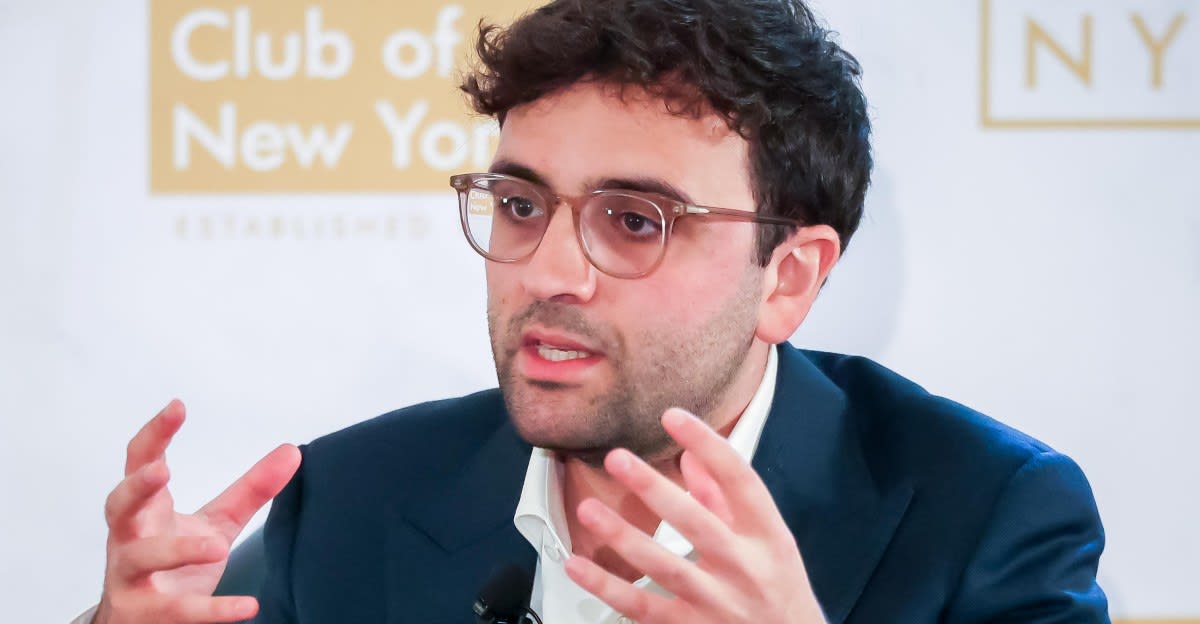
Utah has initiated criminal proceedings against prediction market platform Kalshi and its top executives, alleging the company violated state anti-gambling laws. Kalshi has dismissed the 14 filed charges as a significant legal overreach.
Utah Challenges the Legality of Prediction Markets
The recent decision by Utah state authorities to file criminal charges against the prediction market platform Kalshi marks a significant escalation in the ongoing regulatory battle surrounding decentralized betting and event-based wagering. By charging Kalshi, CEO Tarek Mansour, and COO Luana Lopes Lara with 14 counts—including 12 counts of illegally promoting online gambling—Utah has positioned itself at the forefront of a legal struggle to define the boundaries between financial speculation and prohibited gaming.
The Nature of the Charges
The charges filed in Utah represent a direct challenge to the business model of prediction markets, which allow users to bet on the outcomes of real-world events, such as election results or economic indicators. Utah’s legal action suggests that state regulators view these platforms not as sophisticated financial instruments, but as digital gambling portals that fall under the jurisdiction of state anti-gambling statutes. This interpretation sets a dangerous precedent for firms like Kalshi that have historically argued their services are distinct from traditional casino-style betting.
Corporate Response and Legal Strategy
In response to the accusations, Kalshi has publicly characterized the state's move as a “crazy overreach.” This defensive posture underscores the firm’s commitment to defending its regulatory standing. By framing the charges as an overreach, the leadership team is likely preparing for a protracted legal battle that will test whether prediction markets can operate under existing financial regulations or if they will be forced to comply with the restrictive gaming laws of individual states.
Broader Implications for Prediction Markets
This case arrives at a time when platforms like Kalshi and Polymarket are gaining mainstream attention, raising questions about the intersection of social media, finance, and betting. If Utah’s charges survive judicial scrutiny, other states with strict anti-gambling laws may follow suit, creating a fragmented regulatory landscape that could stifle the growth of the prediction market sector. The industry is currently in a state of flux, attempting to balance innovation with compliance in a legal environment that is struggling to keep pace with digital evolution.
Historical Context and Future Trends
Historically, the regulation of online betting has been a patchwork of state-level statutes, often lagging behind technological advancements. As financial technology continues to blur the lines between trading and wagering, we can expect increased scrutiny from state attorneys general. The outcome of the case against Kalshi will serve as a bellwether for the entire industry, potentially dictating whether these platforms can achieve long-term viability in the United States or if they will face a future of constant litigation and state-level bans.