Tech giants need legacy businesses to keep growing as they pour trillions into the AI buildout
Source Entity
US Top News and Analysis
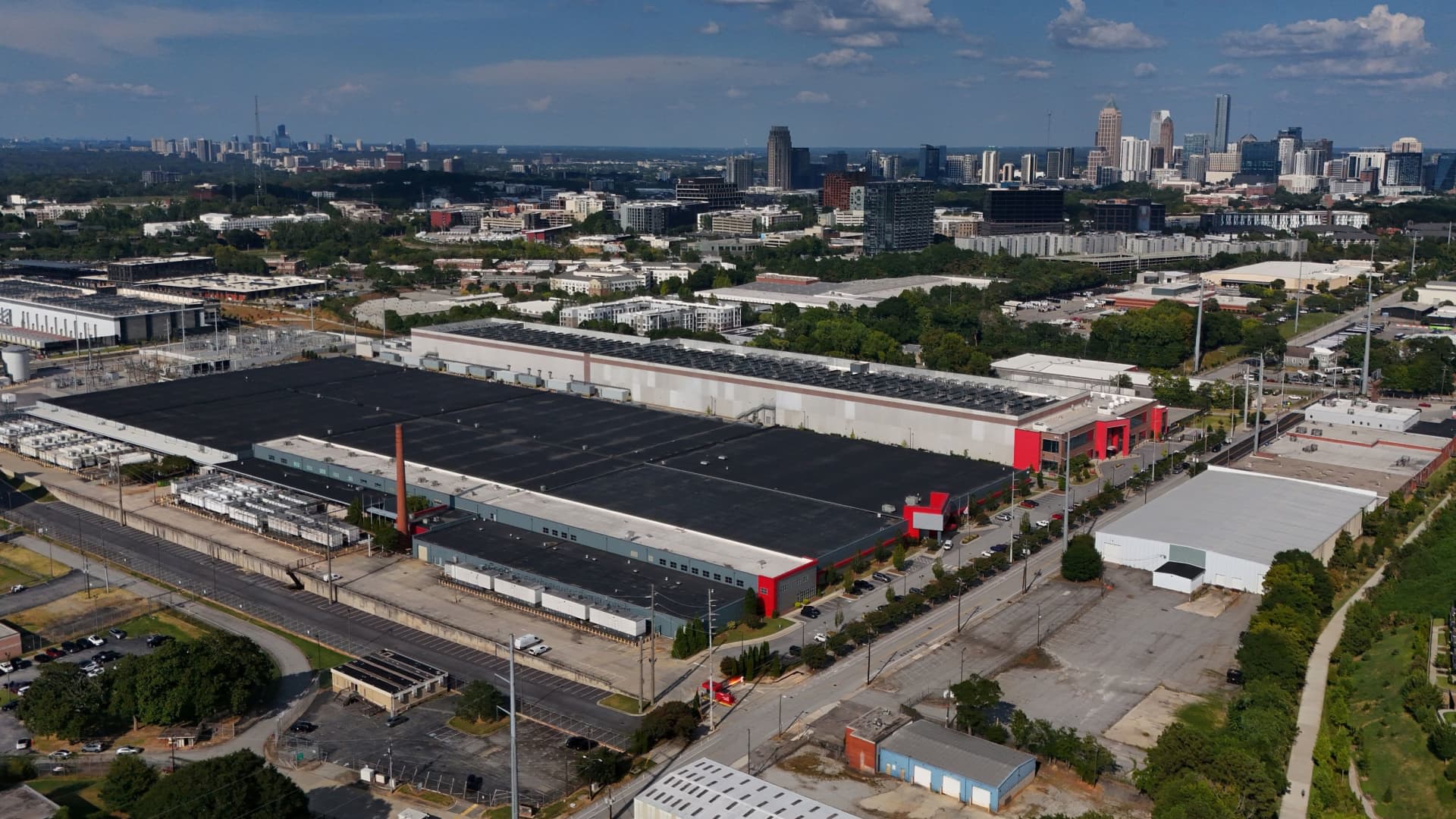
Tech giants like Alphabet are balancing massive AI infrastructure investments with the need for stable performance from their legacy business models. Meanwhile, traditional companies like Ford face their own challenges as they navigate market shifts and production hurdles heading into Q3 earnings.
The Great Balancing Act: AI Infrastructure vs. Core Profitability
As the tech landscape shifts toward an AI-centric future, the world's largest technology companies—collectively known as the GAFAM group—are engaged in a massive, multitrillion-dollar capital expenditure cycle. This buildout is designed to secure long-term dominance in the artificial intelligence sector, yet it is currently creating significant friction with the traditional business models that have historically fueled their growth.
The Pressure on Hyperscalers
Recent quarterly reports have highlighted a growing strain on the free cash flow of these tech giants. While firms like Alphabet, Meta, and Amazon are pouring resources into data centers and hardware, they remain critically dependent on their legacy operations—such as digital advertising, enterprise software, and e-commerce—to subsidize these ambitions. The fact that Microsoft stands as the lone hyperscaler maintaining positive free cash flow underscores the precarious nature of this massive capital deployment.
Market Skepticism and Alphabet’s Q3 Outlook
Alphabet’s upcoming third-quarter earnings report serves as a bellwether for the broader "AI trade." With Wall Street exhibiting increased skittishness, Alphabet faces high expectations: analysts are projecting $128.2 billion in revenue, which would represent a 25% year-over-year increase. Despite this projected growth, the company’s stock has faced downward pressure, reflecting investor anxiety regarding the sustainability of current capital expenditure forecasts.
Traditional Industry Challenges: The Case of Ford
While tech giants grapple with AI spending, traditional sectors like automotive manufacturing face a distinct set of headwinds. Ford Motor’s Q3 earnings report, expected to show a decline in revenue and earnings per share compared to the previous year, highlights the ongoing operational difficulties in legacy manufacturing. For Ford, the primary concern remains the stabilization of its supply chain, particularly regarding the production of its flagship F-Series pickup trucks.
Broader Economic Implications
The simultaneous pressure on both tech and traditional industrial giants suggests a period of transition in global markets. For tech, the challenge is proving that the massive AI investment will eventually yield tangible profitability rather than just ballooning operational costs. For industrial legacy firms like Ford, the challenge is maintaining market share during periods of supply chain volatility.
Future Trends and Market Sentiment
Looking ahead, the market will likely prioritize companies that can demonstrate a clear "path to monetization" for their AI investments. As investors move past the initial excitement of the AI boom, they are increasingly scrutinizing the underlying fundamentals of these corporations. Future trends will likely favor firms that can optimize their legacy businesses to act as reliable cash engines for their future-facing technological endeavors, balancing aggressive innovation with fiscal prudence.
Multiple Citing Sources