KuCoin suspends services in Russia and Belarus
Source Entity
Cointelegraph by Turner Wright
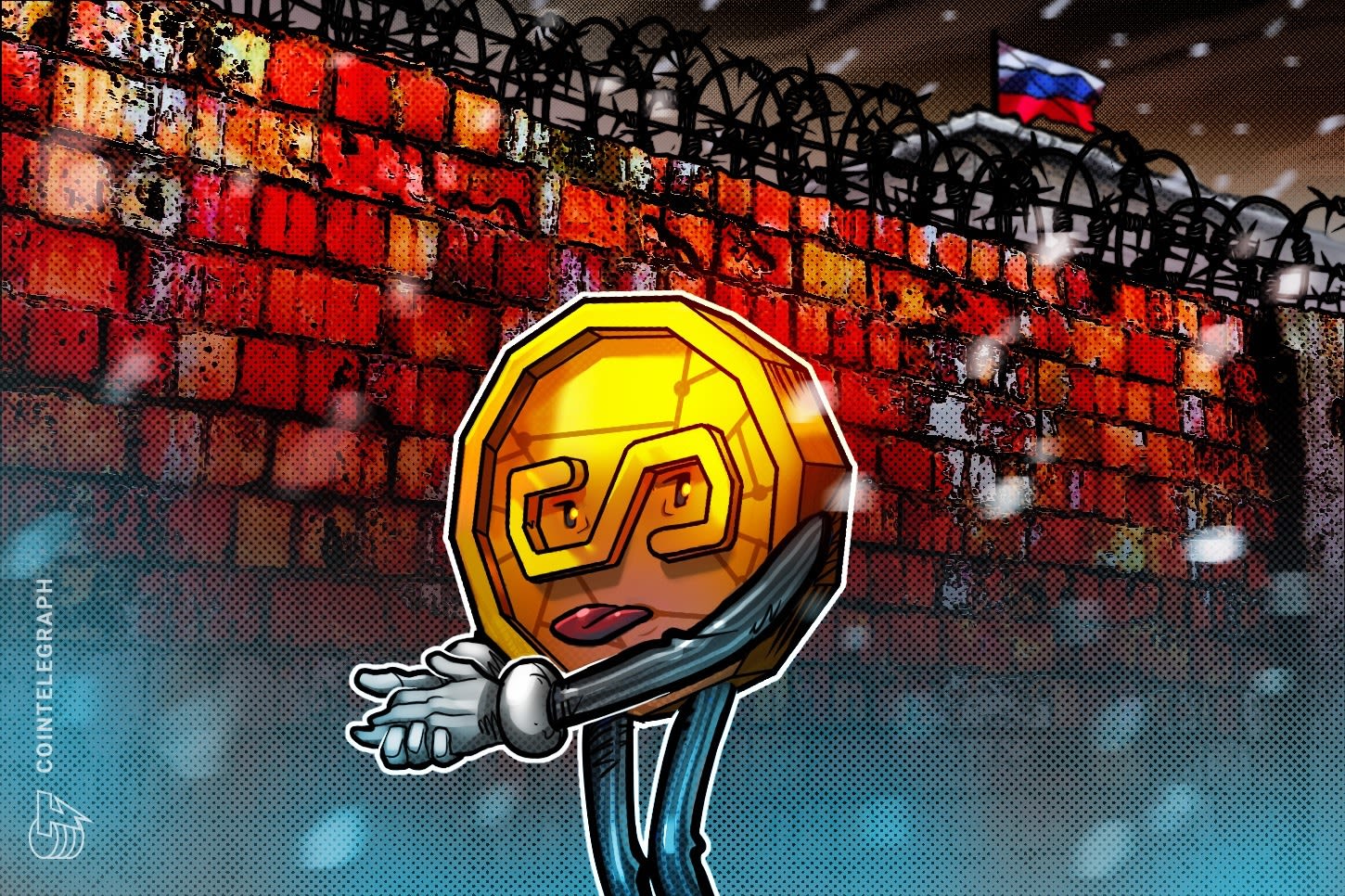
Cryptocurrency exchange KuCoin has suspended all products and services for users in Russia and Belarus. The company cited international regulatory compliance as the primary driver for this decision.
KuCoin Restricts Access: A Strategic Shift in Crypto Compliance
The Move Toward Regulatory Alignment
Cryptocurrency exchange KuCoin has officially announced a total suspension of services for users located in Russia and Belarus. By citing "legal and regulatory compliance" as the foundation for this decision, the exchange is signaling a decisive pivot toward international standards. This move, communicated via the platform’s official social media channels, confirms that access to all products and services has been severed, effectively isolating these regions from the exchange’s global liquidity pools and trading infrastructure.
Navigating the Sanctions Landscape
This development is deeply rooted in the broader geopolitical environment, specifically the international sanctions imposed by the United States, the European Union, and their allies against Russia and Belarus following the invasion of Ukraine. As financial institutions and digital asset platforms face increasing pressure to enforce these sanctions, KuCoin—which is headquartered in the Seychelles—has chosen to align its operations with global regulatory expectations. This decision highlights the increasing difficulty for crypto-native platforms to maintain a neutral stance in the face of widespread economic restrictive measures.
Ensuring an Orderly Exit
Recognizing the potential for friction during such a significant service disruption, KuCoin has committed to an "orderly exit process." This allows existing users within the affected jurisdictions to withdraw their assets, a standard practice in the industry intended to mitigate the risk of permanent loss of capital for retail users. By facilitating these withdrawals, the exchange is likely attempting to balance its strict adherence to compliance mandates with its fiduciary responsibility to provide users with a pathway to reclaim their digital holdings before final account access is revoked.
The Broader Impact on Digital Assets
The suspension by KuCoin is indicative of a larger trend within the cryptocurrency industry, where decentralization and borderless transactions are increasingly clashing with national and international financial regulations. As exchanges become primary targets for anti-money laundering (AML) and know-your-customer (KYC) enforcement, the ability to operate in sanctioned jurisdictions is rapidly diminishing. This trend suggests that the "Wild West" era of crypto is fading, replaced by a landscape where global financial entities must mirror the compliance rigors of traditional banking.
Future Implications for Global Exchanges
Moving forward, the decision by KuCoin sets a precedent for how offshore exchanges will manage geopolitical risk. As global regulators continue to harmonize their approach to digital assets, platforms that operate globally will find it increasingly untenable to maintain access in regions subject to international isolation. We can expect more exchanges to follow suit, prioritizing long-term operational sustainability and access to Western markets over the marginal gains of operating in high-risk, sanctioned territories.
Conclusion
In summary, KuCoin’s decision to cease operations in Russia and Belarus is a direct response to the escalating pressure of international sanctions. By choosing compliance over market access, the exchange is securing its standing within the global financial system. While this creates immediate disruption for users in the affected regions, it reinforces the growing reality that the crypto ecosystem is being increasingly integrated into the formal, rules-based international financial order.