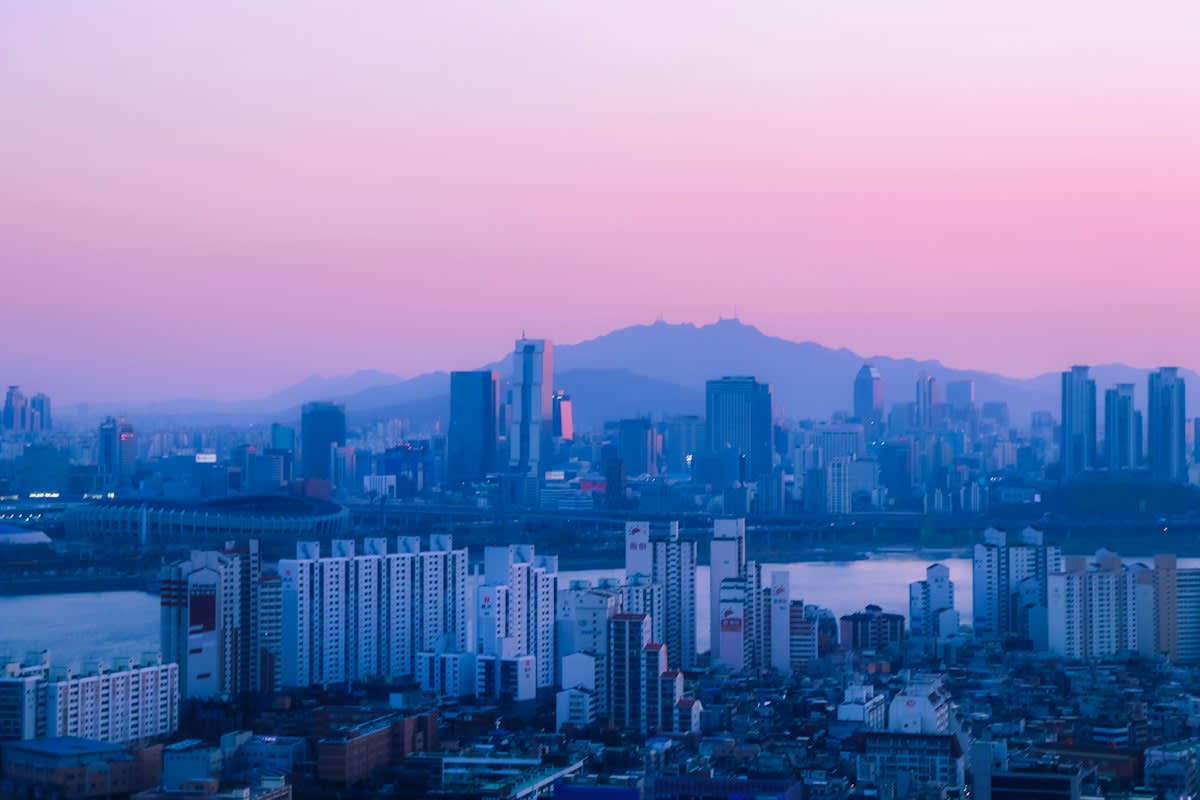
Seoul remains a paradox. 71.1% of young Koreans finish higher education, the highest rate in the OECD (Source: Korea.net, 2026). This statistic points to a culture of extreme academic competition. When the majority hold advanced degrees, the value of the degree drops. This creates a vacuum of purpose. Individuals find themselves over-qualified yet under-employed.
Urban density aggravates this state. Invesco has entered the market with a student housing platform featuring a 400-bed seed portfolio (Source: Mingtiandi, 2026). These properties target a digitally connected population. They offer tech-integrated rentals to maximize efficiency. However, efficiency in housing often means the removal of shared social spaces.
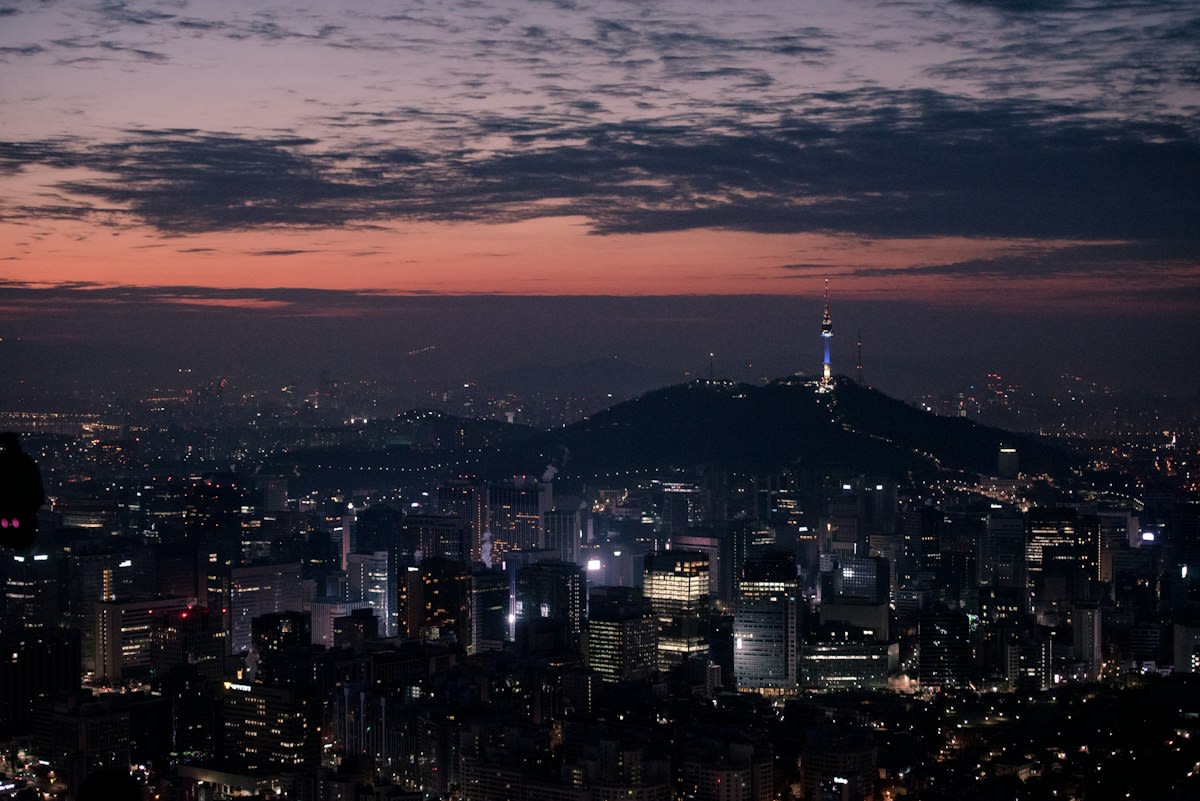
This efficiency extends to the public perception of the city. Jongno 3-ga was named the world's coolest neighborhood on September 28, 2026 (Source: Korea.net, 2026). This designation focuses on external appeal. It ignores the internal state of the residents. A neighborhood can be fashionable while its inhabitants are isolated. The contrast between the public image and private reality is stark.
| Metric | Value | Source |
|---|---|---|
| Higher Ed Completion Rate | 71.1% | Korea.net, 2026 |
| Foreign Student Growth (2019-25) | 75% | Korea.net, 2026 |
| Medical Tourism Hallyu Influence | 63% | Korea.net, 2026 |
| Int'l Visitors (Jan-Aug 2026) | 15 Million+ | Korea.net, 2026 |
Hallyu drives a different kind of attraction. 63% of medical tourism patients chose Korea because of this cultural wave (Source: Korea.net, 2026). This trend emphasizes the pursuit of physical perfection. The desire to look a certain way often masks a need for emotional connection. The city becomes a factory for aesthetic improvement.
"digitally connected population, urban density, and a growing demand for long-term, tech-integrated rentals"— Invesco, via Mingtiandi (2026)
Foreign student populations have seen a massive increase. Numbers surged 75% from 2019 to 2025 (Source: Korea.net, 2026). These students arrive seeking opportunity. They often encounter a restrictive social environment. The surge in numbers does not equate to a surge in integration.
The experience of the outsider mirrors the isolation of the local. Comparison with Jakarta reveals structural differences. Jakarta maintains strong kinship networks that buffer against isolation. Seoul has transitioned toward the individual unit. Invesco's 400-bed portfolio is a testament to this individualization (Source: Mingtiandi, 2026). The unit is the primary social cell.

Social safety nets are struggling. The Just Dream project has expanded the supply of food and necessities nationwide (Source: Korea.net, 2026). This suggests that economic success is not evenly distributed. Solitude is often a byproduct of poverty. Those without resources are the most isolated.
Prisons reflect the final stage of social failure. Vocational training programs now offer hope to prisoners after their release (Source: Korea.net, 2026). This effort to reintegrate individuals highlights how easily one can fall out of the social loop. The path from the classroom to the cell is shorter than it seems.
The drive for order manifests at the highest institutional levels. Korea's reelection to the ISO Council helps the nation lead international standardization (Source: Korea.net, 2026). Standardization creates a predictable world. It removes the friction of human difference. In a standardized world, the individual is an anomaly.
Digital connectivity is the primary tool of this isolation. The demand for tech-integrated rentals mentioned by Invesco shows a preference for mediated interaction (Source: Mingtiandi, 2026). Screens replace faces. The digitally connected population is connected to the network, not to each other.
Tourism numbers show the scale of the facade. International visitors broke 15 million in the first eight months of 2026 (Source: Korea.net, 2026). These visitors see the fashionable neighborhoods and the Hallyu glow. They do not see the 71.1% of graduates struggling in silence. The delta between the visitor's experience and the resident's reality is widening.
Failure Point
The failure point is the gap between credentialism and fulfillment. When 71.1% of a population is highly educated (Source: Korea.net, 2026), the competition for status becomes a zero-sum game. The result is a withdrawal from society to avoid the pain of perceived failure. This structural issue is not solved by more education, but by the removal of the pressure to conform.
Editorial Note
The reliance on tech-integrated housing suggests a trend where corporate entities provide the infrastructure for solitude, monetizing the lack of communal space.
Fact-Check Note
Data regarding the 71.1% education rate and 15 million visitors are sourced from Korea.net publications dated September and October 2026. Invesco's portfolio data is sourced from Mingtiandi.