Can technology prevent next stampede? Inside crowd-monitoring tools India needs
Source Entity
BIJU MATHEW
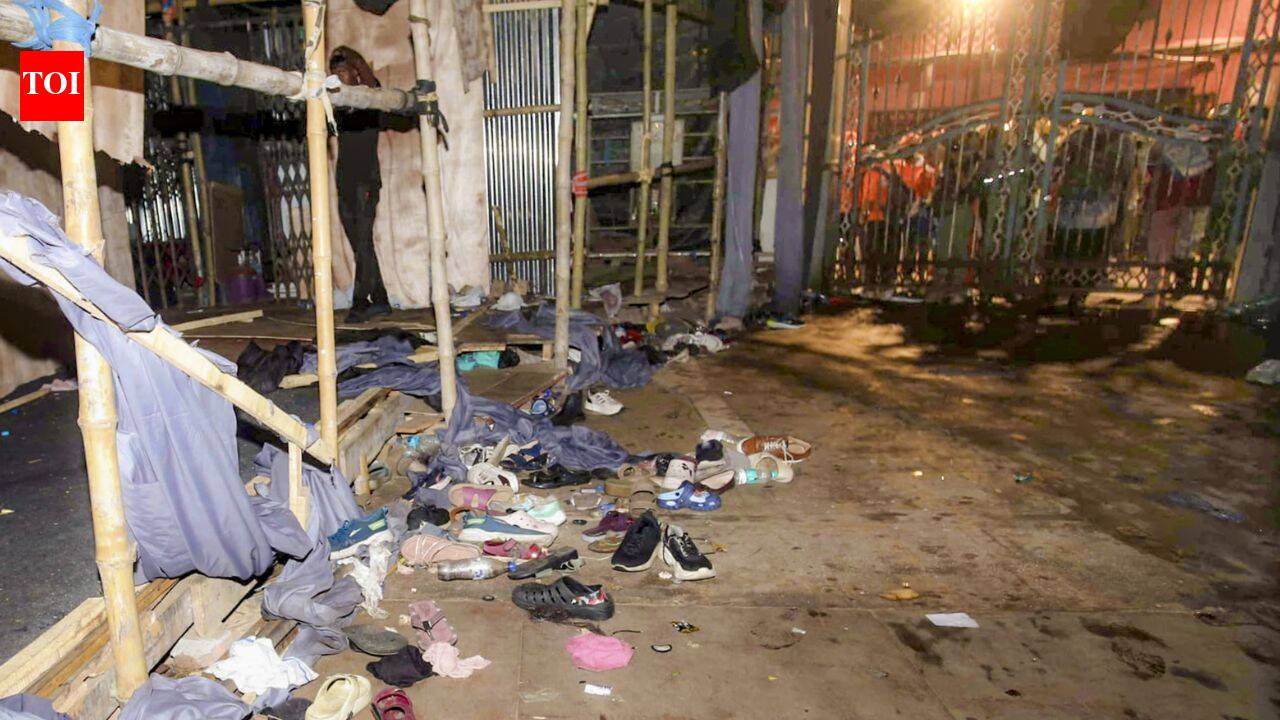
A tragic stampede at a Kolkata Durga Puja pandal resulted in 19 deaths, prompting arrests and a judicial probe. Authorities and event organizers are now implementing stricter safety guidelines and exploring AI-driven crowd monitoring technologies to prevent future disasters.
Tragedy in Kolkata: Examining the Durga Puja Stampede
The recent tragedy in North Kolkata, where a stampede at the Chorbagan Durga Puja pandal claimed 19 lives and left 24 others injured, has sent shockwaves through the city. Occurring on Saptami, the seventh day of the festival, the disaster was exacerbated by heavy rain, which rendered streets slippery and likely increased the urgency of attendees to seek shelter, creating a perfect storm for the subsequent crush. The incident has raised critical questions regarding crowd management, structural oversight, and the accountability of organizers during high-density public gatherings.
Legal and Political Fallout
In the immediate aftermath, the judicial and administrative response has been swift. Authorities have filed a suo motu case of culpable homicide not amounting to murder, leading to the arrest of seven individuals, including key office-bearers of the organizing committee. Furthermore, CM Suvendu Adhikari has pledged a comprehensive judicial probe into the incident, promising transparency in the findings. The state government has also announced financial compensation of Rs 5 lakh for each victim, alongside protocols to ensure the dignified transport of the deceased back to their homes, signaling a serious shift toward administrative accountability.
The Failure of Ground-Level Management
While the investigation is ongoing, early reports emphasize that the disaster was partially triggered by poor crowd control and an ill-timed announcement that caused panic among the thousands in attendance. The event highlighted the dangers of narrow bylanes and inadequate evacuation routes in dense urban areas. As a result, the Forum for Durgotsab has issued immediate, practical mandates for all puja committees, including the provision of raincoats, walkie-talkies for volunteers, and strict prohibitions on selfies and video recording within pandals to maintain steady crowd movement.
Integrating Technology for Future Safety
Beyond immediate logistical changes, there is an urgent push to integrate modern technology into event planning. Experts suggest that AI-powered cameras, digital ticketing systems, and real-time people counters could provide organizers with the data necessary to prevent venues from exceeding safe capacities. By feeding live occupancy data into a centralized safety network, emergency response teams could receive alerts about dangerous crowd surges before they manifest into lethal crushes.
The Limits of Tech and the Necessity of Planning
However, it is vital to acknowledge that technology is not a panacea. Experts caution that advanced monitoring systems are rendered ineffective if they are not paired with robust ground-level planning. Narrow exits and poorly placed barricades remain physical hazards that no amount of AI can fully mitigate if evacuation plans are flawed. Consequently, the future of public safety in Kolkata rests on a hybrid model: combining the precision of digital crowd-monitoring tools with the human discipline of trained volunteers and strictly enforced safety codes.
Conclusion
As Kolkata mourns the victims of the Chorbagan tragedy, the collective focus has shifted toward systemic reform. The transition toward stricter, technology-backed, and highly regulated event management is no longer just a recommendation but a necessity. By learning from this catastrophe, authorities and organizers hope to restore a sense of security for future festivals, ensuring that religious and cultural celebrations do not come at the cost of human lives.
Multiple Citing Sources