At 17.1 Degrees Celsius, Delhi Records This Month's Coldest Night So Far
Source Entity
NDTV News Search Records Found 1000
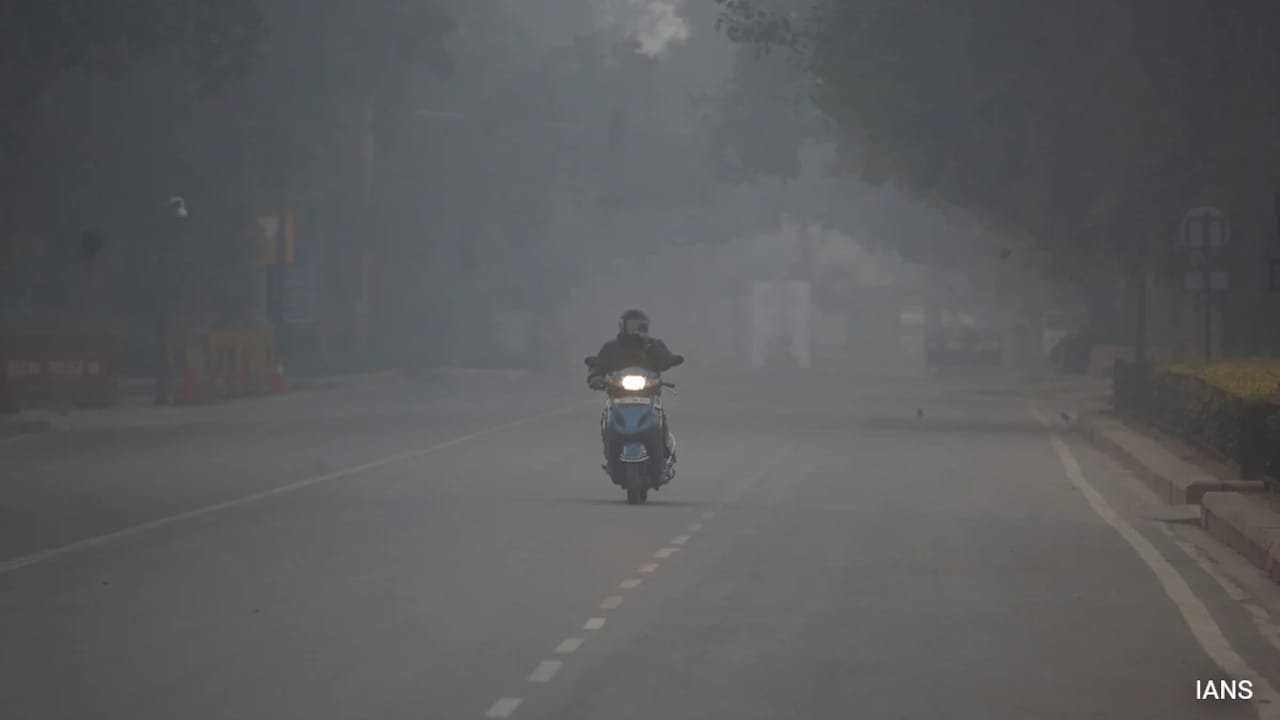
Delhi experienced its coldest night of the month with temperatures dropping to 17.1 degrees Celsius. While current air quality remains moderate, authorities warn of a shift to poor levels in the coming days.
Delhi Experiences Seasonal Chill Amid Air Quality Concerns
Delhi has officially recorded its coldest night of the month, with the Safdarjung weather station reporting a minimum temperature of 17.1 degrees Celsius. This reading, taken on Monday morning, sits 1.3 degrees Celsius below the seasonal average, signaling a tangible shift in the capital's climate as autumn progresses. The India Meteorological Department (IMD) confirmed this dip, which follows a maximum temperature of 31.7 degrees Celsius recorded during the day, highlighting the characteristic diurnal temperature variation that defines this transition period in North India.
The Intersection of Weather and Climate
This drop in temperature is a standard meteorological phenomenon during the transition from the post-monsoon season to winter. The cooling of the earth’s surface at night, combined with clear skies and reduced humidity, allows for faster heat dissipation. As the city moves deeper into October, residents can expect these minimum temperatures to fluctuate, potentially setting new lows as the winter chill begins to take hold of the National Capital Region (NCR).
Air Quality: A Looming Environmental Challenge
While the current weather patterns bring a crispness to the air, they also pose significant risks to environmental health. According to the Central Pollution Control Board (CPCB), the 24-hour average Air Quality Index (AQI) was recorded at 139 at 4 pm, placing the city in the 'moderate' category. However, meteorological data and historical trends suggest that as temperatures continue to decline, the atmospheric conditions—specifically the lack of strong winds—will hinder the dispersion of pollutants.
Projections for Deteriorating Conditions
Forecasts from the CPCB indicate that the air quality is likely to deteriorate to 'poor' levels starting October 21. This anticipated decline is often exacerbated by seasonal factors, such as the inversion of the boundary layer, which traps pollutants closer to the ground. The combination of falling minimum temperatures and stagnant air creates a perfect storm for air quality degradation, a recurring challenge for the capital during the winter months.
Managing the Seasonal Transition
As the city navigates this shift, the focus remains on monitoring the AQI closely. The gap between the recorded 139 AQI and the projected 'poor' classification underscores the volatility of Delhi’s air quality. Residents and local authorities are advised to remain vigilant, as the transition in weather patterns often acts as a precursor to more severe environmental conditions that typically plague the region in the following months.
Verification Required?