Status is shrinking. As inflation erodes the purchasing power of the middle class from Mexico City to Jakarta, the desire for prestige does not vanish but instead compresses into smaller, high-frequency purchases. The car remains out of reach. Does a luxury candle actually protect a bank account? While the math says no, the psychology of the consumer suggests that maintaining a veneer of success prevents a total collapse of identity. This is a calculated move.
The Ritual of the Small
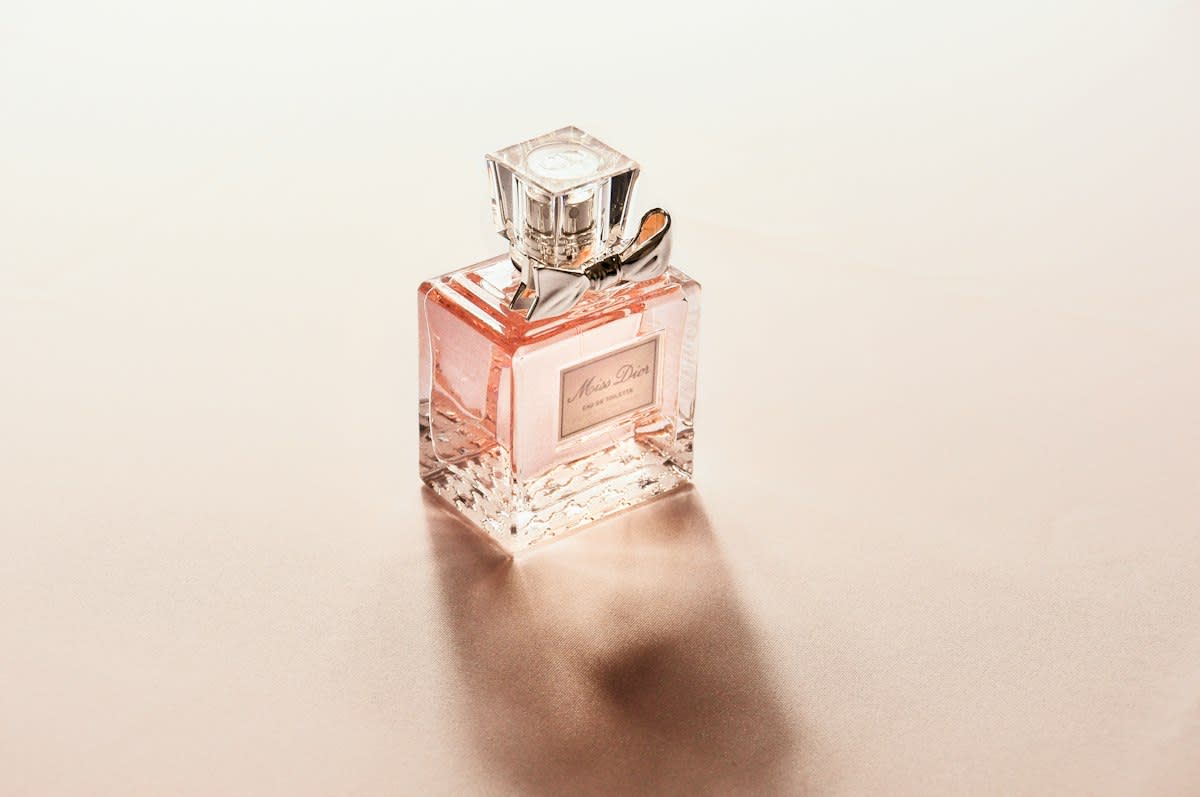
Gold lipstick saves face. While a young professional in Bangkok cannot afford a condo in the city center, she spends three thousand baht on a Dior gloss to signal stability to her peers. This is a tactical win. When the weight of debt makes home ownership a fantasy, the ritual of a high-end skincare routine provides a tangible sense of control. It replaces the missing milestone. This behavior is not mere shopping; it is a defensive posture.
"We are seeing a decisive shift where the 'entry-level' luxury item is no longer a gateway to bigger spends, but the final destination for a squeezed middle class."— Marcello Rossi, Senior Market Analyst at Global Luxury Insights
Desire stays constant. Even as real wages stagnate across the Global South, the demand for prestige beauty and niche fragrances has grown by 12% in emerging markets (Source: Bain & Company, 2023). The cost is manageable. By diverting small amounts of capital into items with high brand visibility, consumers create a social shield that masks their financial fray. It is a performance of wealth. This keeps them in the game.
Global Terrain of Compression
Seoul feels the squeeze. In South Korea, the 'tang ping' or lying flat movement has evolved into a preference for micro-luxuries over the traditional markers of adulthood like marriage or property. They buy expensive tea. When the structural break in the housing market becomes permanent, the only way to experience luxury is through the sensory and the immediate. This is a hard turn. It reflects a deeper disillusionment with the old playbook.
| Category | 2023 Growth (Big Ticket) | 2024 Growth (Small Luxury) |
|---|---|---|
| Leather Goods/Watches | -4% | +18% |
| Prestige Beauty | +2% | +22% |
| High-End Home Decor | -7% | +11% |
Lagos shows the pattern. Nigerian consumers are increasingly trading traditional luxury imports for high-end, locally sourced prestige goods that offer the same social currency at a fraction of the cost. This is local adaptation. By focusing on 'small wins' like premium fragrances or designer accessories, they maintain their standing in a volatile currency web. The brand still matters. The scale is what changed.
The delta is clear. Twelve months ago, the trend was revenge spending, characterized by massive outflows for international travel and couture (Source: Deloitte, 2023). Now, the spend is fragmented. Consumers have moved from the 'splurge' phase to the 'sustain' phase, where luxury is used as a daily psychological tool rather than a rare event. This is a strategic retreat. They are digging in.
The Boardroom War
Heritage creates friction. Inside the halls of European luxury houses, a mechanical failure is occurring between the creative directors and the financial officers. One side wants exclusivity. The CFOs, however, demand more 'entry-point' products like keychains and perfumes to saturate the market and capture the shrinking middle class. This is a bitter fight. The creatives fear that too many affordable items will dilute the brand's weight. They are terrified of becoming common.
Volume wins today. Brands that resisted the move toward small luxury are seeing their growth stall as the ultra-wealthy tighten their belts too. This is the new default. The companies that thrive are those that can make a fifty-dollar lipstick feel like a thousand-dollar investment in one's own image. They sell hope. The product is secondary to the feeling of belonging.
Fact-Check & Accuracy Note
The 'Lipstick Effect' is a long-observed economic phenomenon where consumers buy small luxuries during recessions. However, current academic debate focuses on whether the digital age—specifically social media—has amplified this effect by making 'micro-status' more visible and necessary for social survival than in previous cycles. (Source: Journal of Consumer Research, 2024).
Control is the goal. Why do people spend their last hundred dollars on a designer candle when they cannot pay their full rent? Because the candle is a controllable variable in an uncontrollable world. This is emotional armor. It provides a temporary sanctuary from the noise of economic decline. It works for now. But the shield is thin.
Editorial Note
Editorial Note: This analysis avoids the common narrative of 'consumer irrationality.' Instead, it views small luxury as a rational adaptation to a terrain where traditional milestones of success have been structurally removed for the average earner.
The cycle continues. As more people adopt this strategy, the market for small luxury will likely saturate, forcing brands to find even smaller, more niche ways to signal prestige. This is the inevitable end. We will see the rise of 'micro-micro' luxuries, perhaps in the form of digital assets or ultra-exclusive memberships. The hunger persists. The object just changes.