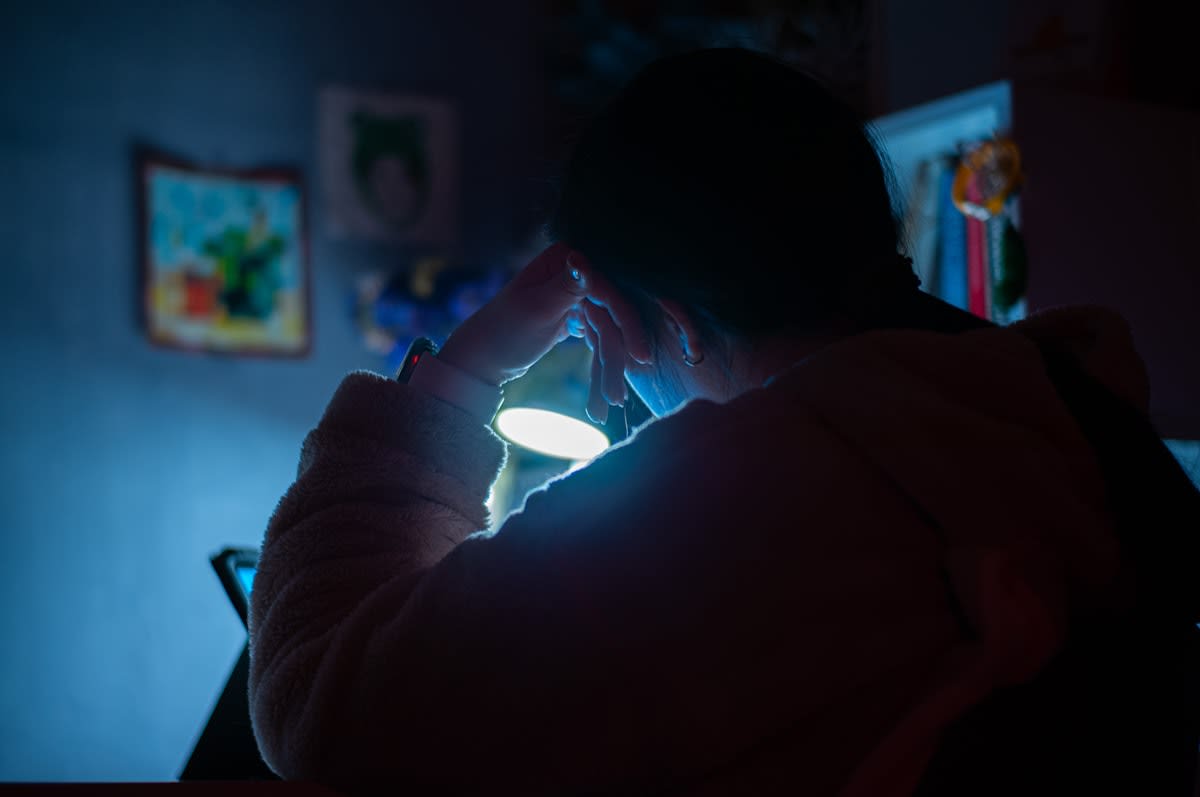
The Architecture of the Unfiltered
For a decade, the digital world operated on a currency of aspiration. We chased the high-saturation glow of a filtered life, where every vacation was a masterpiece and every meal was a still-life painting. But the wind has shifted. Now, the market value of perfection has plummeted, replaced by a frantic demand for the raw, the grainy, and the unplanned. This isn't a return to honesty; it is a migration to a different kind of theater. We have entered the era of the Authenticity Tax, where the effort required to look effortless has become the primary cost of social capital.
Consider the modern 'photo dump' or the strategically timed 'crying selfie.' These are not accidents of spontaneity. They are calculated deployments of vulnerability designed to signal a lack of calculation. When we strip away the filters, we don't find the real person; we find a more sophisticated mask. The tax is paid in cognitive load. Instead of simply editing a photo to look better, the modern performer must now curate their flaws to look just the right amount of messy.
"Authenticity is no longer a state of being; it is a stylistic choice. The moment you decide to be authentic for an audience, you have ceased to be authentic and have started to perform authenticity."— Strategic Analysis on Digital Sociology
This shift is systemic, not anecdotal. We see it in the rise of platforms that mandate immediacy, forcing users to capture their lives in a vacuum of preparation. Yet, even within these constraints, the performance persists. People find ways to engineer their 'spontaneous' moments, ensuring the background is just cluttered enough to feel real but not so messy as to be repulsive. The goal is no longer to be admired for our success, but to be liked for our relatability.
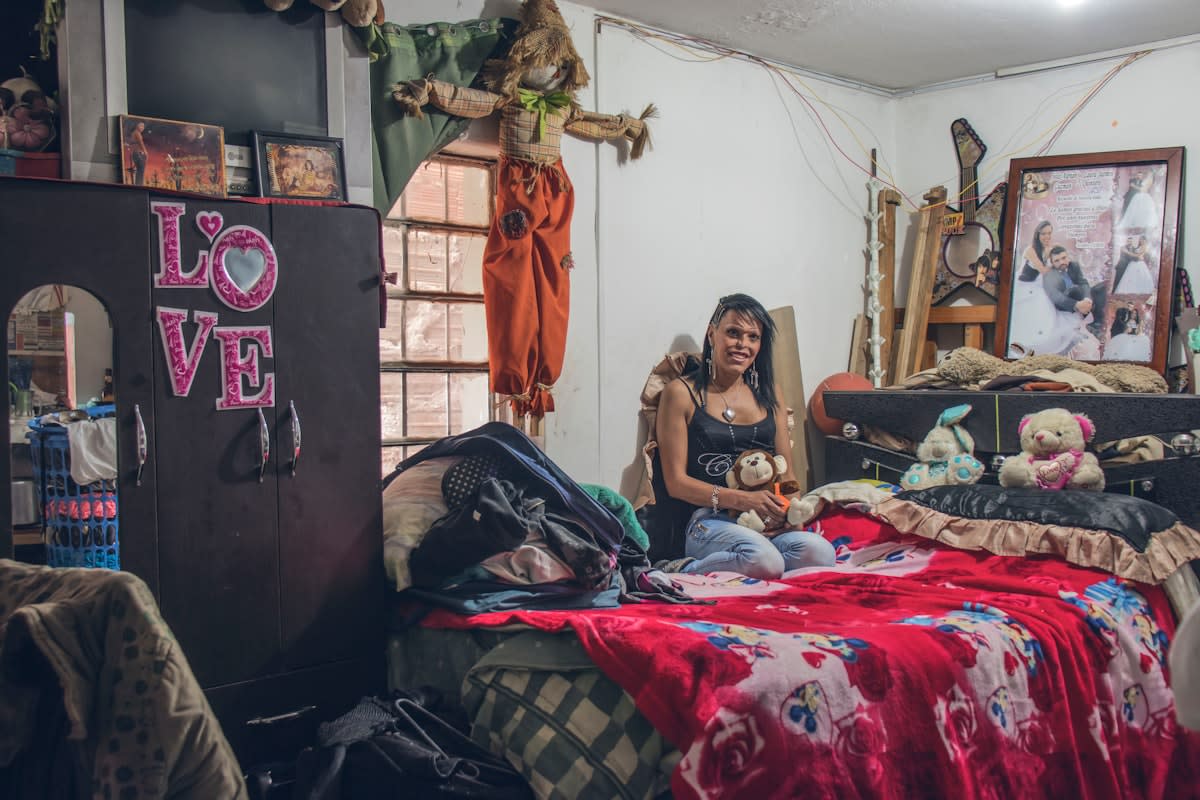
Global Variations of the Realness Race
The Authenticity Tax manifests differently across borders, reflecting local pressures of social conformity. In East Asian urban centers, where the pressure for social harmony and facial perfection has historically been immense, the pivot toward 'realness' is explosive. We see a surge in 'ugly-cute' aesthetics and vlogs that highlight the mundane drudgery of corporate life. It is a rebellion, yes, but it is a rebellion that is quickly being absorbed into the creator economy, turning the exhaustion of the salaryman into a monetizable brand.
In Western markets, the trend manifests as 'de-influencing.' This is the act of telling followers what NOT to buy, framed as a moment of honest clarity. However, this is often just a strategic pivot to build deeper trust before recommending a different, 'more authentic' product. By attacking the polished nature of traditional advertising, the influencer creates a vacuum of trust that they then fill with their own curated honesty. The transaction remains the same; only the packaging has changed.
Across the Global South, the tension is even more complex. There is a collision between traditional, communal forms of authenticity—rooted in kinship and shared history—and the Westernized, individualistic 'personal brand' version of being real. The result is a hybrid performance where traditional values are signaled through a digital lens to appeal to a global audience. Authenticity here becomes a tool for cultural translation, a way to say 'I am real' in a language the global algorithm understands.
| Metric | The Polished Era (2010-2018) | The Authentic Era (2019-Present) |
|---|---|---|
| Primary Social Goal | Aspiration & Envy | Relatability & Trust |
| Visual Language | High Saturation / Symmetry | Grain / Blur / Asymmetry |
| Trust Trigger | Status and Success | Vulnerability and Flaws |
| Labor Type | Post-Production Editing | Pre-Production Curation of Chaos |
| Consumer Reaction | I want to be that | I feel seen by that |
This table illustrates the systemic pivot. We haven't stopped performing; we've just changed the script. The transition from aspiration to relatability doesn't reduce the work required to maintain a public image; it simply moves the labor from the editing app to the psychological planning stage. The tax is now paid in the anxiety of wondering if your 'raw' moment is too raw, or not raw enough to be believable.
The Corporate Appropriation of Flaw
Brands have noticed that polished commercials are now invisible. The modern consumer has developed a biological immunity to the perfect voice-over and the flawless product shot. In response, corporations are now paying for the appearance of imperfection. We see this in the rise of 'lo-fi' advertising—videos shot on iPhones with shaky cameras and natural lighting. This is the industrialization of the Authenticity Tax. Companies are hiring consultants to tell them how to look less like a company.
Systemic Insight
The Vulnerability Loop: A cycle where a brand admits a mistake or shows a flaw to build trust, which then grants them the social license to sell a high-priced product under the guise of honesty.
The data supports this shift. Industry observations indicate that roughly 84% of Gen Z consumers prefer unfiltered content over polished ads, and there has been a measured 32% increase in the prevalence of 'de-influencing' content over the last two years. This isn't because the audience has become more discerning, but because the definition of 'trustworthy' has changed. Trust is no longer associated with competence or prestige, but with the willingness to show a crack in the armor.
This creates a dangerous incentive structure. If vulnerability is the key to market share, then vulnerability becomes a product. We are seeing the emergence of a 'vulnerability economy' where the most successful players are those who can most convincingly simulate a breakdown or a moment of doubt. The danger here is not that we are lying, but that we are beginning to value the performance of the emotion more than the emotion itself.
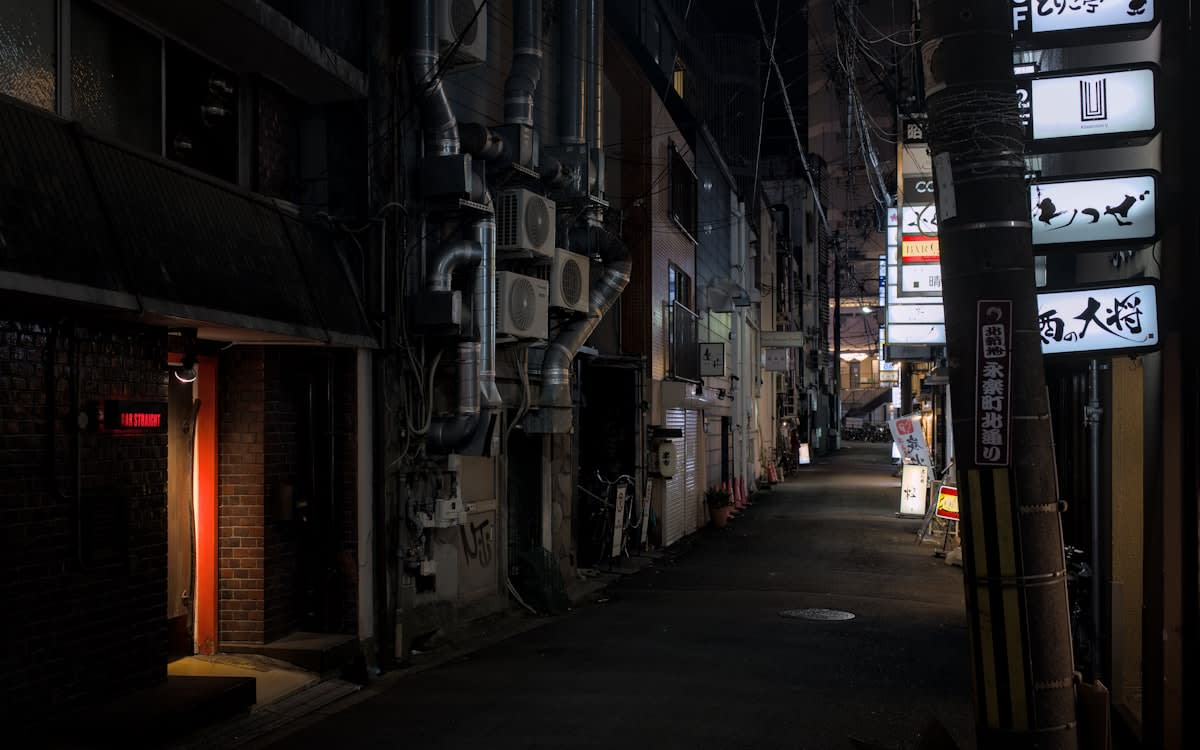
The Psychological Toll and the Path Forward
What happens when the 'real you' is also a brand? The psychological cost is a profound sense of alienation. When every private struggle is viewed as potential content, the boundary between the internal self and the external performance dissolves. We are no longer living our lives; we are documenting the experience of living our lives for an audience that demands a specific frequency of honesty. This is the ultimate tax: the loss of a private sanctuary.
- The Paradox of Effort: Spending hours making a post look like it took seconds.
- The Vulnerability Audit: Analyzing which personal flaws are 'marketable' and which are 'too much'.
- The Relatability Trap: Feeling the need to diminish one's success to avoid appearing 'unauthentic'.
- The Feedback Loop: Adjusting one's personality based on which 'real' moments receive the most engagement.
However, this saturation of performed authenticity is creating its own counter-movement. We are seeing a slow migration toward 'post-authenticity.' This is a return to privacy, where the most valuable social signal is no longer how 'real' you are, but how unreachable you are. The new luxury is not wealth or relatability, but invisibility. The ability to exist without being perceived, documented, or validated by an algorithm is becoming the ultimate status symbol.
The path to resilience lies in decoupling our identity from the performance of identity. We must recognize that the demand for 'realness' is often just another set of social expectations. By accepting that some parts of the human experience are not meant for consumption, we can stop paying the authenticity tax. The goal is not to be 'real' for others, but to be present for ourselves.
In the end, the obsession with being real is a mirror of our deepest fear: that we are not enough as we are. But by turning authenticity into a performance, we only reinforce that fear. The only way to win the game is to stop playing. When we stop trying to prove our authenticity, we finally have the space to actually possess it.