Why phasing out older vehicles across Delhi-NCR remains difficult
Source Entity
Sophiya Mathew
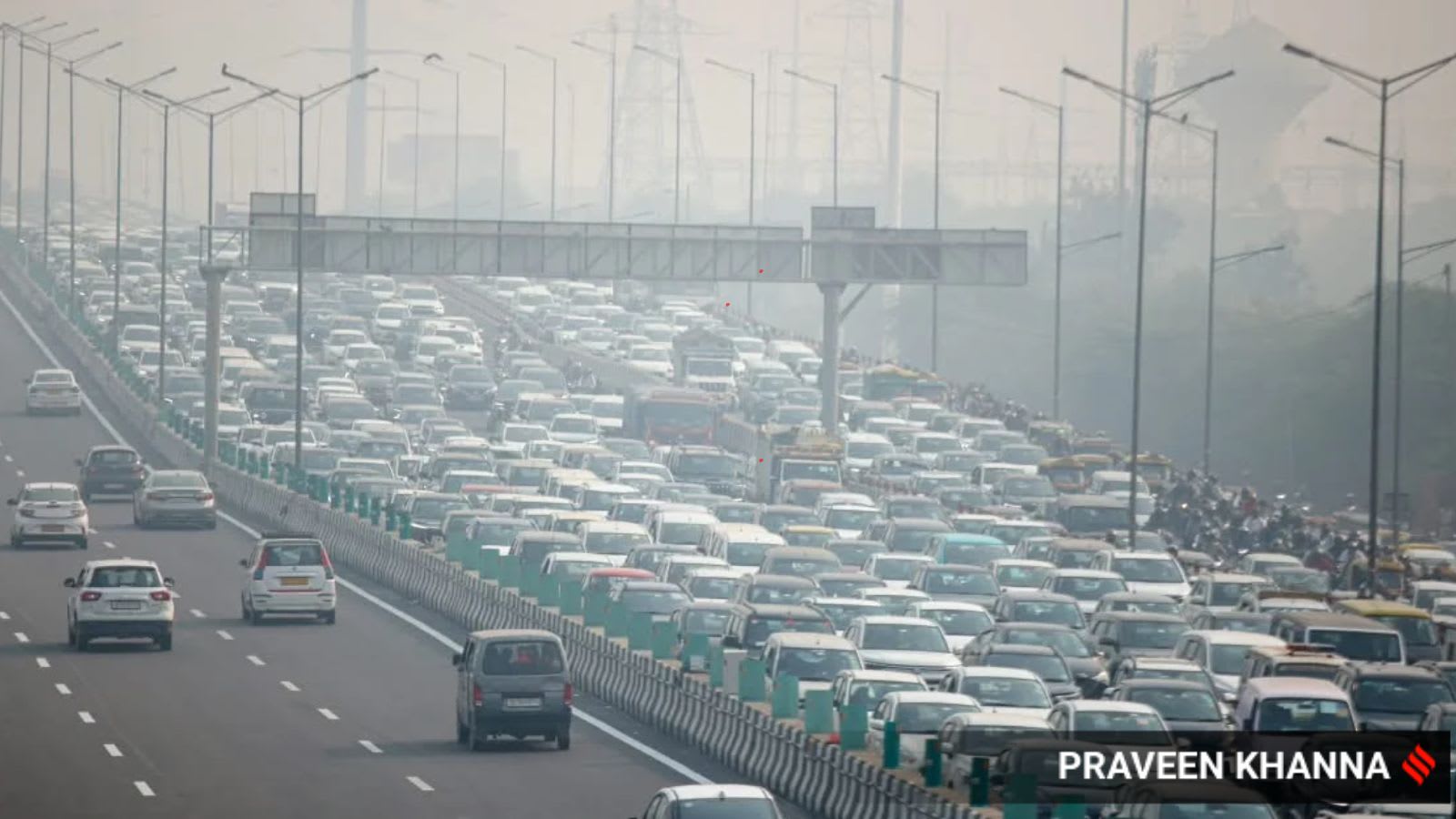
The Centre's PARIVARTAN scheme, aimed at removing older, polluting vehicles from Delhi-NCR, is struggling with low adoption rates. Despite tighter entry restrictions, only a small fraction of the targeted vehicle owners have registered for the financial incentives.
The Struggle to Clean Delhi-NCR's Air: Assessing the PARIVARTAN Scheme
A Slow Start to a Massive Undertaking
The Indian government's ambitious PARIVARTAN scheme, backed by a significant budget of Rs 9,585 crore, was designed to catalyze the transition away from older, high-emission commercial vehicles in the Delhi-NCR region. However, four months post-launch, the program faces a stark reality: only 48,148 vehicle owners have registered, a figure that pales in comparison to the projected target of 2.07 lakh. While there has been a notable uptick from the initial 1,300 registrations observed in August, the current momentum is insufficient to address the sheer scale of the pollution crisis plaguing the capital.
The Mechanics of the Policy Impasse
The policy operates on the premise of financial incentives to encourage the decommissioning of non-BS-VI trucks and buses. This approach is intended to work in tandem with the administrative tightening of entry restrictions for older vehicles into Delhi. Yet, the disconnect between the policy's design and the ground-level economic reality of transport operators remains a significant hurdle. Many owners of older, high-polluting vehicles appear hesitant or unable to leverage the scheme, suggesting that the current financial incentives may not sufficiently offset the capital expenditure required to transition to newer, cleaner models.
The Magnitude of the Vehicular Challenge
The sheer volume of legacy vehicles in the surrounding states underscores the complexity of this environmental intervention. Data reveals that approximately 3.02 crore BS-I to BS-IV vehicles are registered across Uttar Pradesh, Haryana, and Rajasthan. This vast fleet, which continues to circulate in the periphery of the National Capital Region, represents a persistent source of particulate matter and nitrogen oxides. The challenge is not merely logistical but geographic, as the inter-state movement of goods necessitates a regional approach that current localized restrictions struggle to contain.
Economic and Environmental Implications
The failure to accelerate vehicle scrappage programs has profound implications for Delhi's air quality, which frequently hits hazardous levels during the winter months. Trucks and buses, which are primary contributors to vehicular emissions, remain on the road due to the economic dependency of small-scale transport operators on these older assets. If the transition remains sluggish, the environmental goals of the PARIVARTAN scheme will remain unmet, leaving the capital vulnerable to recurring seasonal smog crises that impact public health and economic productivity.
Looking Ahead: Policy Adjustments and Future Trends
To bridge the gap between registration targets and current reality, the Ministry of Road Transport and Highways may need to re-evaluate the incentive structure or simplify the registration process. Future trends likely involve stricter enforcement of non-BS-VI entry bans, which will increase the pressure on owners to comply. However, without addressing the financial strain on the logistics sector, there is a risk of creating a black market for vehicle operations or pushing older vehicles into unregulated secondary markets. A successful path forward requires a balance between aggressive environmental regulation and pragmatic economic support for those affected by the transition.