Chhattisgarh’s Khaira village achieves 100% rooftop solar coverage
Source Entity
Latest News: Todays Latest News Headlines from India & World | Hindustan Times
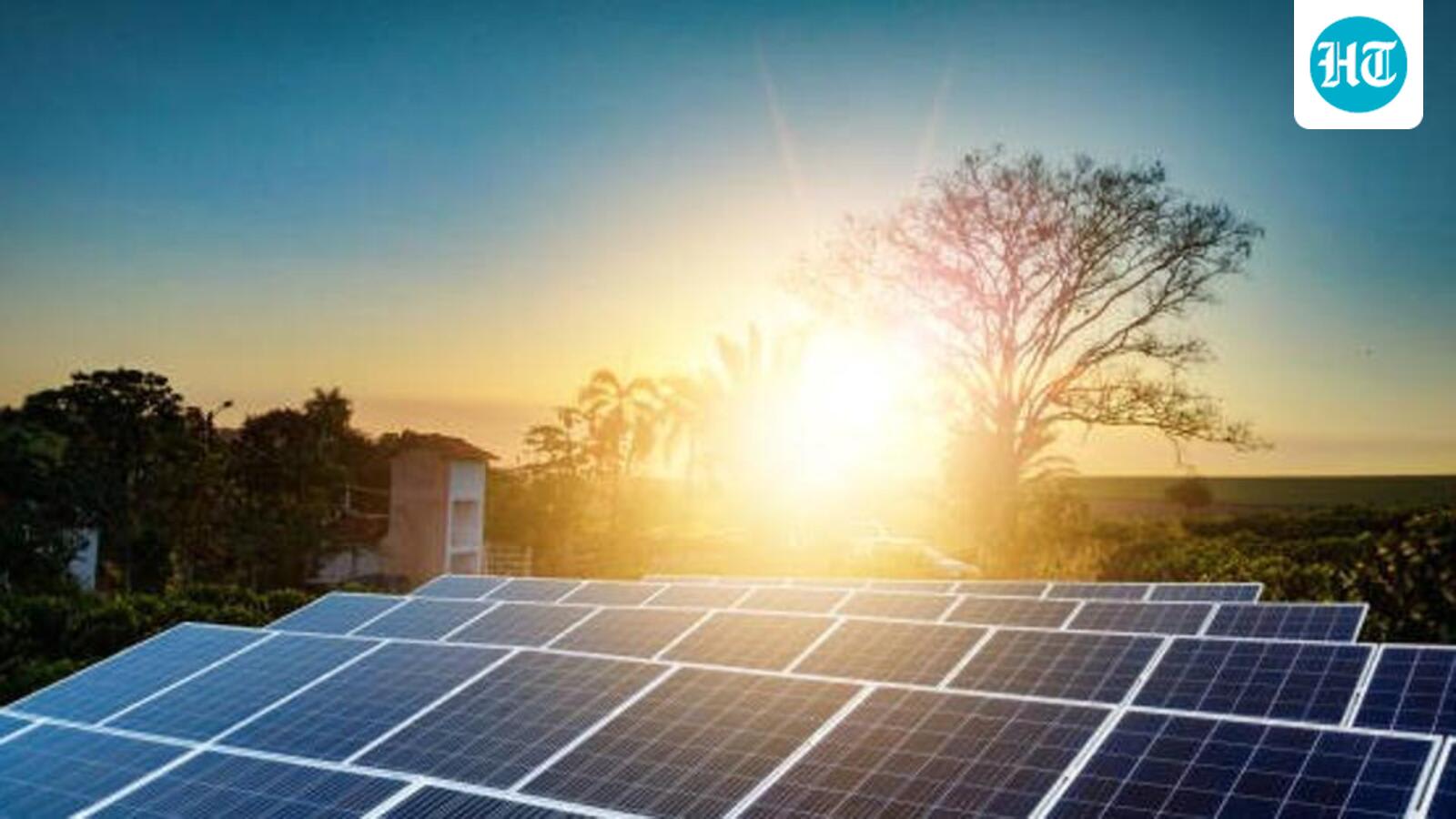
Khaira village in Chhattisgarh's Rajnandgaon district has become the first in India to achieve 100% rooftop solar coverage under the PM Surya Ghar: Muft Bijli Yojana. All 141 households in the village are now equipped with 2-kilowatt solar systems, marking a significant milestone in rural renewable energy adoption.
A Milestone in Rural Electrification: The Case of Khaira
Khaira village, located in the Rajnandgaon district of Chhattisgarh, has officially set a national benchmark for sustainable energy adoption. By successfully installing 2-kilowatt rooftop solar systems across all 141 of its households, the village has become the first in India to achieve 100% coverage under the Pradhan Mantri Surya Ghar: Muft Bijli Yojana. This achievement, confirmed by District Collector Jitendra Yadav, represents a transformative moment for rural energy infrastructure in the region.
The Impact of PM Surya Ghar: Muft Bijli Yojana
The Pradhan Mantri Surya Ghar: Muft Bijli Yojana is designed to decentralize power generation by empowering individual households to become energy producers. By transitioning these 141 homes from traditional grid reliance to solar power, the project reduces the burden on state electricity boards and provides a reliable, clean energy source to a population of 889 residents. This shift is critical in addressing the persistent energy deficits often faced by rural communities in central India.
Technical and Economic Implications
Each household in Khaira is now equipped with a 2-kilowatt system, which is a robust capacity for residential needs. Beyond the immediate benefit of electricity, these systems provide a path to energy independence. By generating their own power, villagers can significantly reduce their monthly utility expenditures, allowing those funds to be redirected toward education, nutrition, or local economic growth. This model serves as a pilot for how small-scale, decentralized solar can revitalize village-level economies.
Scaling the Model Nationwide
The success in Khaira provides a replicable blueprint for the rest of the nation. The administrative coordination required to reach 100% saturation—achieved through the oversight of officials like Collector Jitendra Yadav—demonstrates that the primary barriers to solar adoption are often logistical rather than technical. As India strives to meet its ambitious climate goals and net-zero targets, the Khaira model will likely be studied by policymakers as a template for rapid rural electrification.
Future Trends and Sustainability
Looking forward, the integration of solar power at a village-wide scale paves the way for further digital and economic integration. With reliable power, households can support modern appliances, better lighting for students, and potentially small-scale industrial activities. As these systems age, the maintenance and monitoring of this infrastructure will become the next phase of the project, ensuring that Khaira remains a beacon of sustainable development for years to come.
Verification Required?