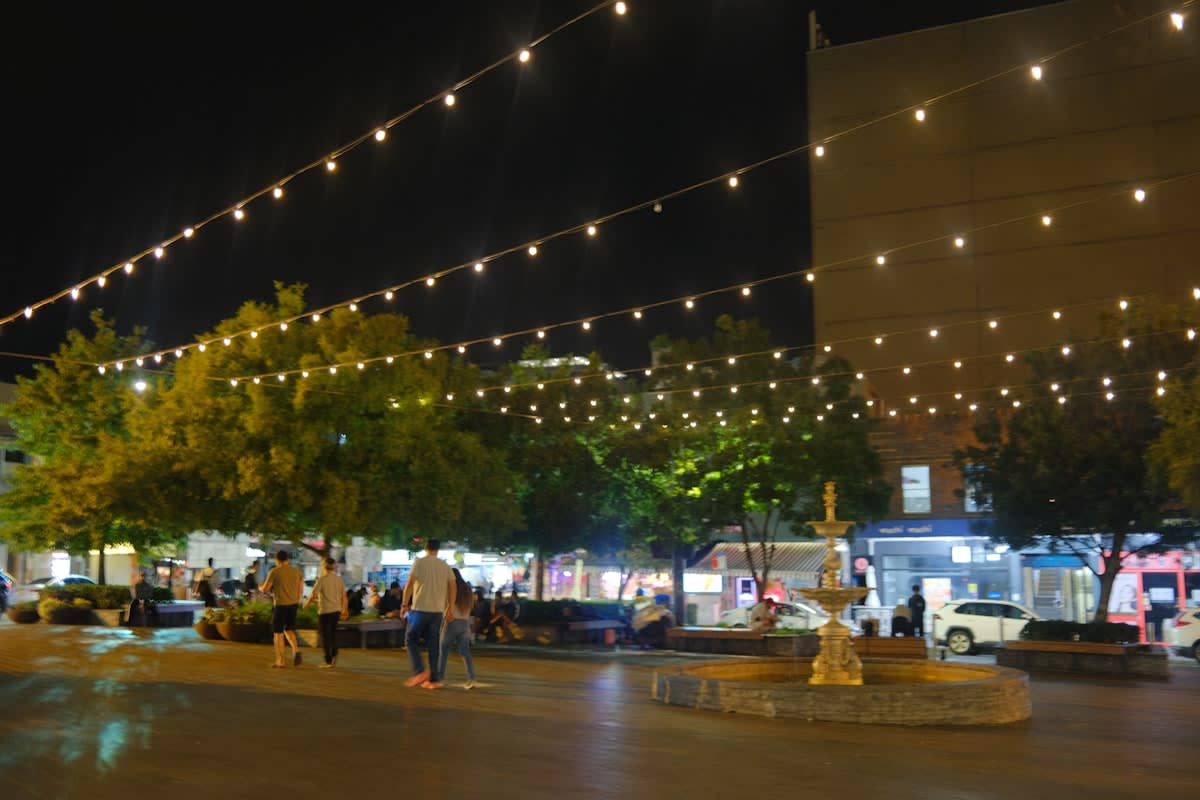
Walk into any modern metropolitan center—be it Tokyo, London, or New York—and you will find a recurring pattern. There are places to work, places to sleep, and places to spend money. But where do you go to simply be? The concept of the Third Place, coined by sociologist Ray Oldenburg, describes the social surroundings separate from the two primary environments of home (first place) and work (second place). These are the anchors of community life: the cafes, libraries, pubs, and plazas where the primary activity is conversation and the barrier to entry is virtually non-existent. Today, these spaces are vanishing, replaced by a commercialized version of 'community' that requires a credit card for admission.
The Commodification of Belonging
The crisis is not a lack of physical space, but a shift in the nature of that space. We have traded civic infrastructure for commercial convenience. In the past, a Third Place was characterized by its neutrality and its role as a leveler, where social status mattered less than the quality of the conversation (Source: Oldenburg, 1989). Now, the 'Third Place' has been rebranded as a revenue center. The local bookstore is now a corporate chain; the neighborhood pub is a franchised gastropub with an aggressive turnover policy. When the primary goal of a space is to maximize revenue per square foot, the 'loiterer'—the very person who gives a Third Place its soul—becomes a liability.
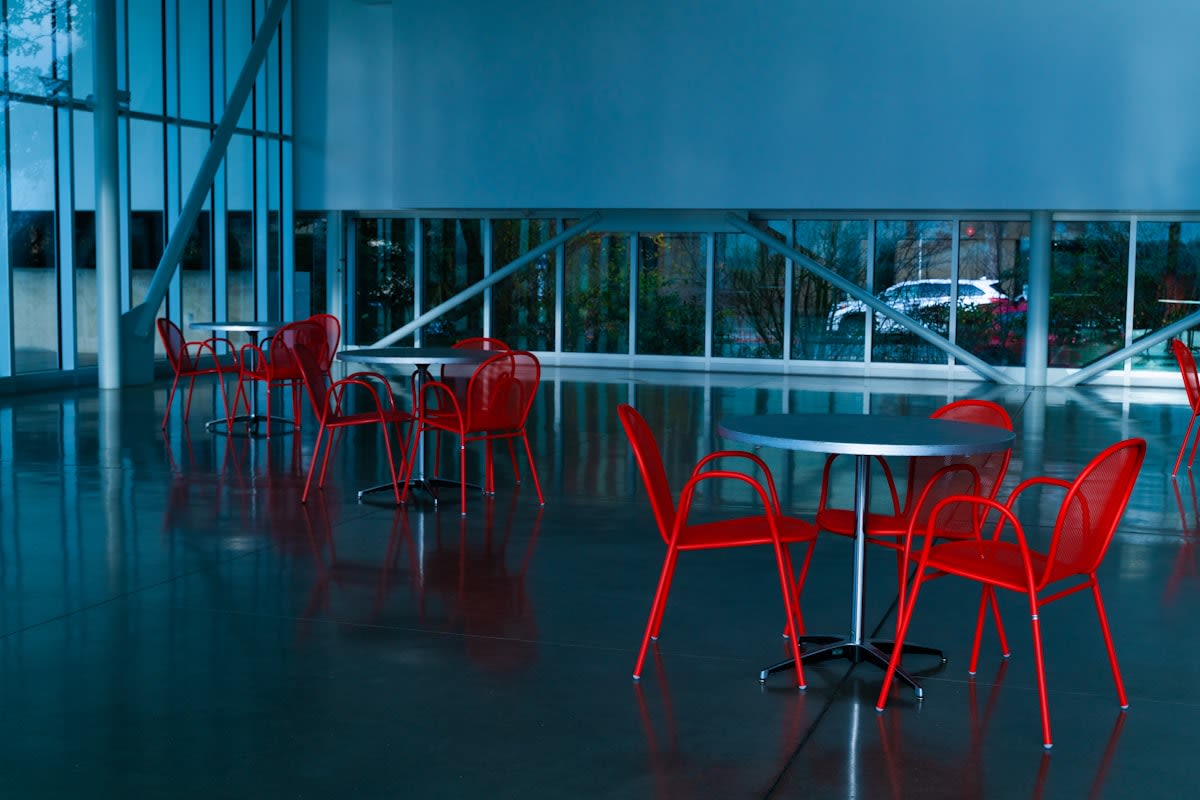
Why does this happen? It is the result of a systemic shift toward 'optimization.' Urban planners and real estate developers now view public space through the lens of ROI. This leads to the rise of hostile architecture—slanted benches, armrests in the middle of seats, and the removal of public toilets—all designed to prevent people from staying too long without paying. Is it any wonder that loneliness is skyrocketing when the physical environment is literally telling us to move along?
"The erosion of the third place is not an accident of the market; it is a design choice. When we prioritize the efficiency of the transaction over the inefficiency of the encounter, we kill the civic spirit."— Urbanist perspective on the decline of civic infrastructure
This trend is global, though it manifests differently across cultures. In the Middle East, the traditional Majlis—a place for gathering and consultation—has seen a decline in urban centers as high-rise living replaces traditional neighborhood layouts. Similarly, the Japanese Kissaten, once a sanctuary of slow coffee and intellectual debate, is being squeezed out by high-speed, low-cost chains that prioritize throughput over atmosphere. The common thread is the victory of the 'transactional' over the 'relational'.
But the loss of physical space is only half the story; the other half is the digital illusion of replacement.
The Digital Mirage
Enter the digital Third Place. We are told that Discord servers, Reddit threads, and WhatsApp groups are the new town squares. On the surface, they provide the connectivity we crave. But these spaces lack the critical element of physical serendipity. In a physical Third Place, you encounter people who are not like you—people you didn't choose to follow or join. Digital spaces, by design, are algorithmic echo chambers. They offer connection without friction, which is exactly why they fail to build genuine community resilience.
Furthermore, digital spaces are owned by corporations whose business model relies on engagement, not well-being. A public park doesn't track your eye movements to sell you ads; a social media platform does. The 'cost' of entry in a digital Third Place is not money, but your data and your attention. We have traded the physical discomfort of a crowded cafe for the psychological exhaustion of a curated feed.
| Feature | Traditional Third Place | Commercialized Third Place | Digital Third Place |
|---|---|---|---|
| Barrier to Entry | Low/None | Financial (Purchase required) | Data/Attention |
| Primary Goal | Social Connection | Profit/Turnover | Engagement/Ad Revenue |
| Social Dynamic | Serendipitous/Diverse | Transactional | Algorithmic/Homophilous |
| Dwell Time | Unlimited | Optimized for Turnover | Infinite/Addictive |
Can a Zoom call ever replace the tactile reality of a neighborhood pub? The answer is a resounding no. Physical presence triggers oxytocin and fosters trust in ways that a screen cannot. When we lose the physical Third Place, we lose the 'weak ties'—the casual acquaintances who provide us with new information, different perspectives, and a sense of belonging to something larger than our immediate social circle.
To understand how we got here, we have to look at the friction between those who design the city and those who live in it.
The Practitioner's Friction: Dwell Time vs. Civic Value
From the perspective of an urban strategist, the debate over Third Places is really a debate over 'dwell time.' In the retail world, dwell time is a metric used to increase sales. But in the civic world, dwell time is the heartbeat of a healthy society. I have sat in planning meetings where developers argued that 'lingering' was a sign of inefficiency. They wanted 'active fronts'—meaning people moving in and out quickly—rather than 'static hubs' where people actually stayed. The friction arises because the metrics for a successful business (high turnover, high average transaction value) are the exact opposite of the metrics for a successful community (long stays, low barrier to entry).
Practitioners in the field are currently debating the '15-Minute City' concept, but often they miss the point. It is not enough to have a cafe within a 15-minute walk; that cafe must be a place where you can sit for three hours with a single espresso without feeling the pressure of a hovering waiter. The real challenge is creating 'non-programmed' spaces—areas that aren't designated for a specific activity, allowing the community to define the use of the space organically.
The Path to Resilience: Reclaiming the Commons
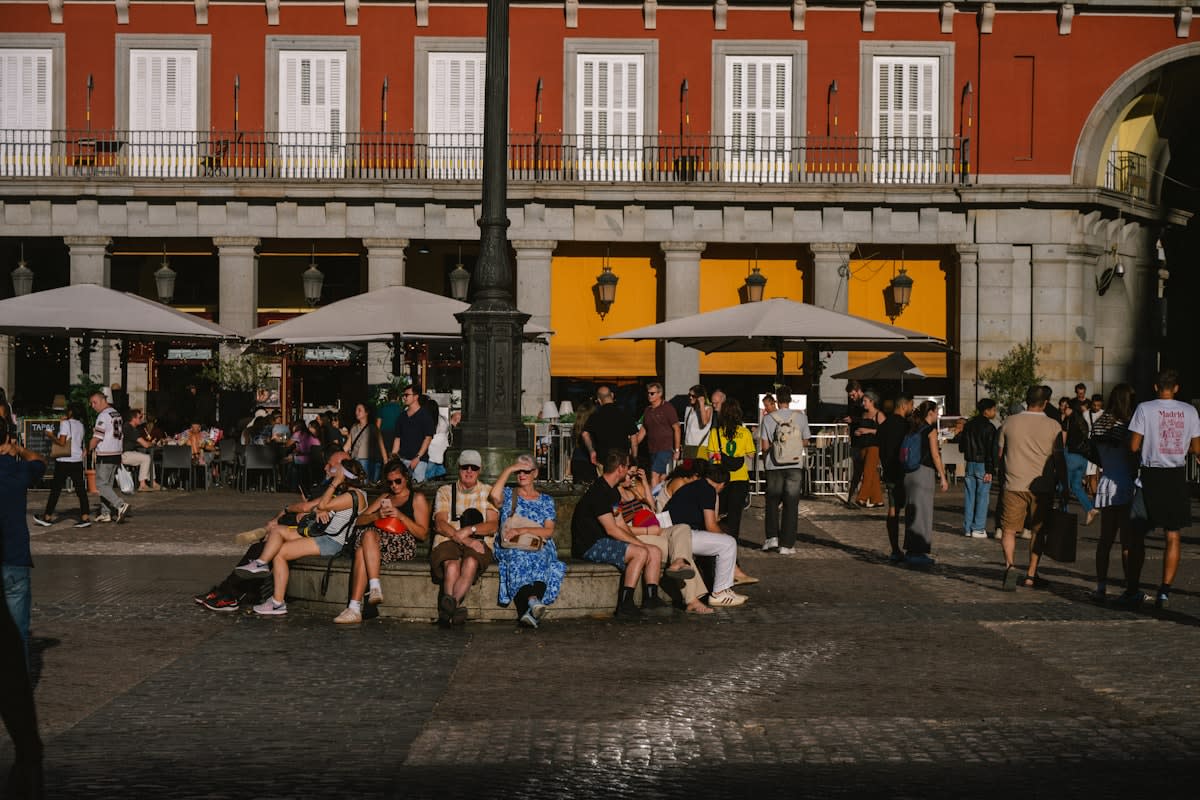
The death of the Third Place is not inevitable. We are seeing a counter-movement in various parts of the world. In Europe, the revival of 'community-owned' pubs and cooperatives is creating spaces that are insulated from the pressures of venture capital. In South America, the informal use of street corners and plazas continues to provide a robust, if unplanned, Third Place infrastructure. The key is the decoupling of social space from profit motives.
- Adaptive Reuse: Turning vacant retail shells into community-managed hubs.
- Zoning Reform: Mandating 'non-commercial' social space in new residential developments.
- Public Library Evolution: Transforming libraries from book repositories into 'social infrastructure' hubs.
- The 'Right to Linger': Implementing urban design that encourages long-term presence without purchase.
The goal is not to return to a nostalgic past, but to build a future where human connection is not a luxury good. We must treat social infrastructure with the same urgency as we treat water or electricity. When we design cities that prioritize the 'existence' of the citizen over the 'consumption' of the customer, we begin to solve the loneliness epidemic at its root.
Fact-Check & Accuracy Note
Key claims regarding the 'Third Place' framework are based on the foundational work of Ray Oldenburg (1989). Analysis of digital echo chambers and algorithmic sociality reflects current sociotechnical research on platform capitalism. The discussion on 'dwell time' and 'hostile architecture' draws from contemporary urban planning debates and architectural criticism.