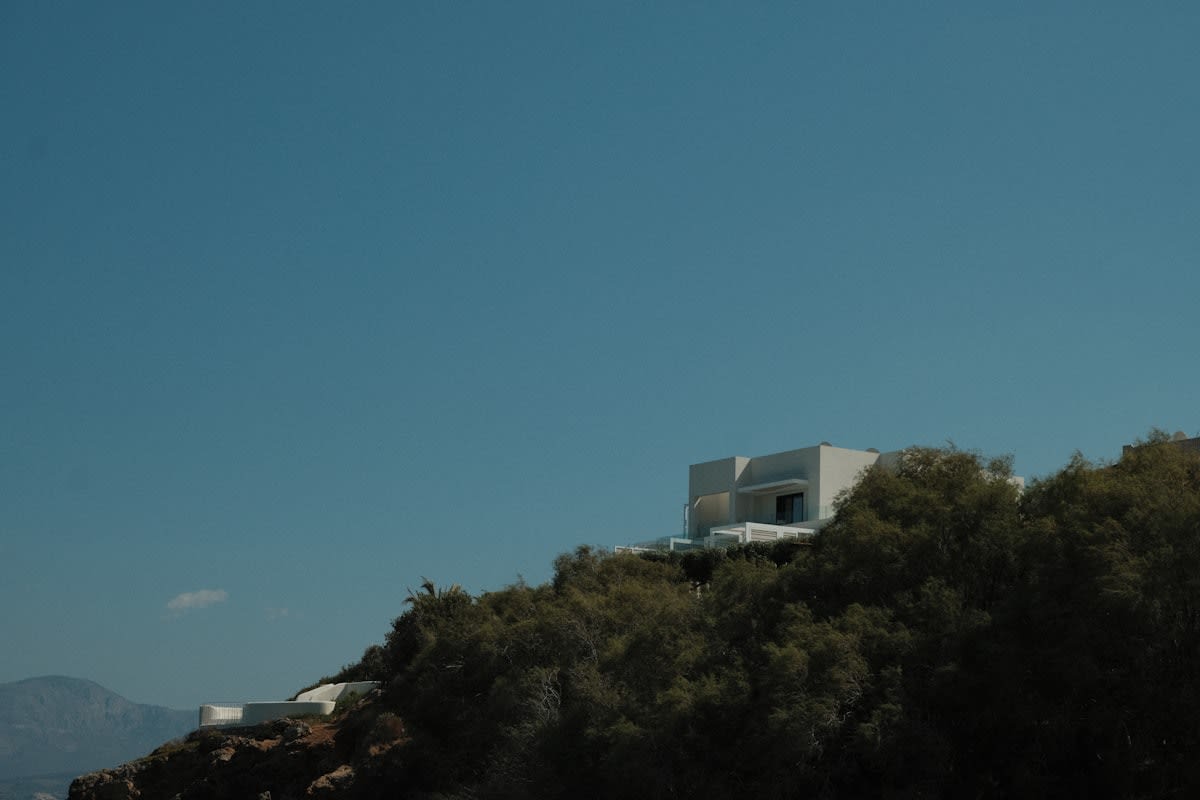
Stop calling it an escape. The media loves the narrative of the exhausted city-dweller fleeing the concrete jungle for a quiet cottage, but that is a romanticized simplification. What we are actually seeing is a cold, calculated optimization of lifestyle and capital. The global middle class is not running away; they are diversifying their geographic portfolio. They are engineering a hybrid existence—the Rurban shift—where the benefits of urban economic density are decoupled from the psychological and financial tax of living within the city core.
Why now? For decades, the social contract was simple: you traded your peace and space for proximity to power and payroll. You lived in a shoebox in London, Tokyo, or New York because that was where the servers and the CEOs lived. But the digital plumbing has finally caught up to the ambition. High-speed satellite internet and the normalization of asynchronous work have turned geography from a constraint into a variable. The question is no longer 'Where do I need to be to work?' but 'Where do I want to be to live while I work?'
The Death of the Binary
The traditional divide between 'urban' and 'rural' is a relic of the industrial age. In that era, you were either at the factory or on the farm. Today, that binary is obsolete. The Rurban shift creates a third space: a peri-urban zone that offers the silence of the countryside with the digital throughput of a financial district. This is not about moving to the woods to grow organic carrots; it is about moving to a town two hours from the hub, where a three-bedroom house costs the same as a studio apartment, but the Wi-Fi is just as fast.
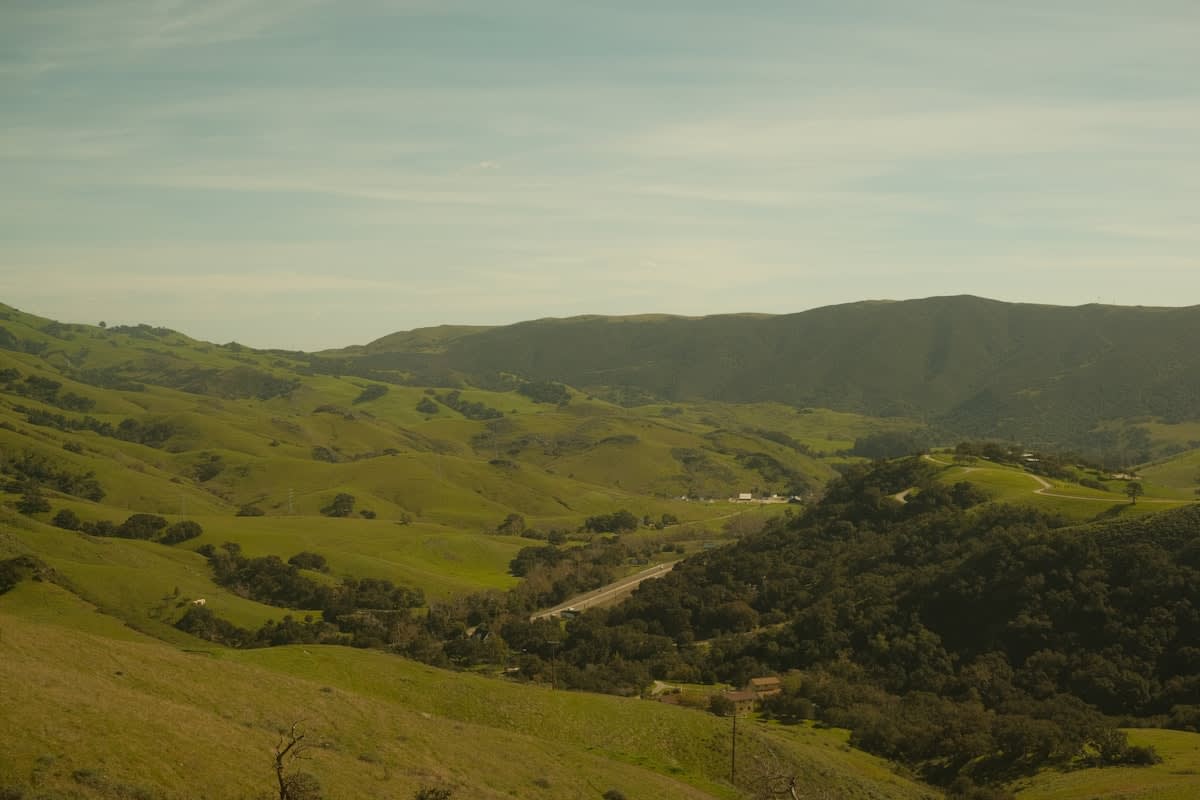
Consider the systemic shift in the Asia-Pacific region. In India, we see a massive migration of tech talent back to Tier-2 and Tier-3 cities. These professionals are not abandoning their careers; they are leveraging 'lifestyle arbitrage.' They earn salaries pegged to global or metropolitan benchmarks while spending in local economies where the cost of living is 40% lower. This isn't a retreat—it's a strategic increase in disposable income and quality of life. They are maintaining their urban networks via Slack and Zoom while reclaiming their time and family structures.
"The city is no longer the only place where value is created, but it remains the place where value is recognized. The Rurban shift is the attempt to capture both."— Strategic Analysis of Geographic Capital
Is this a sustainable model or a temporary reaction to a global health crisis? The data suggests the former. We are seeing a permanent reconfiguration of infrastructure. Governments in Europe and East Asia are no longer just investing in mega-city transit; they are pouring capital into regional broadband and 'smart village' initiatives. When the state begins to subsidize the infrastructure of the periphery, the shift is no longer a trend—it is a policy.
The Core Thesis
The Rurban shift is less about 'nature' and more about 'control.' It is the middle class reclaiming agency over their environment, their schedule, and their cost of living.
This transition is not without its frictions. The Rurbanite faces a unique psychological tension: the desire for isolation coupled with the fear of irrelevance. To combat this, we are seeing the rise of 'micro-hubs'—coworking spaces in rural towns that serve as social anchors. These are not just offices; they are the new town squares where the global middle class congregates to maintain the professional friction that usually happens in a city elevator or a coffee shop.
The Economics of Geographic Arbitrage
To understand the Rurban shift, one must look at the math. The 'Urban Tax' is not just the rent; it is the cost of congestion, the price of mediocre air, and the erosion of time spent in transit. By shifting to a hybrid model, the middle class effectively grants itself a stealth raise. If a professional earns $100,000 in a city where rent consumes 45% of their take-home pay, moving to a Rurban zone where rent is 15% is a massive increase in real wealth.
| Metric | Urban Core | Rural Traditional | Rurban Hybrid |
|---|---|---|---|
| Cost of Living | Extreme High | Low | Moderate |
| Connectivity | Hyper-connected | Sporadic | High-Speed/Stable |
| Career Velocity | High (Proximity) | Low | Medium-High (Digital) |
| Wellness Index | Low (Stress/Pollution) | High | High (Balanced) |
| Asset Value | Speculative/High | Stagnant | Appreciating |
The real winner in this equation is the Rurban zone. We are seeing a transfer of wealth from the center to the periphery. This is not a trickle-down effect; it is a lateral move. Small towns in regions like Tuscany, the Hudson Valley, or the outskirts of Kyoto are experiencing a renaissance. Local businesses are being upgraded to serve a more demanding, higher-income demographic that brings urban expectations of service and quality to rural settings.
But let us be contrarian: is this just a new form of gentrification? Absolutely. The Rurban shift often pushes out the original rural population as the 'hybrid' class drives up property values. The middle class is not just engineering their own lives; they are re-engineering the rural economy. The 'quiet life' they seek is often built on the displacement of those who actually worked the land.
Systemic Implications and the Future of Work
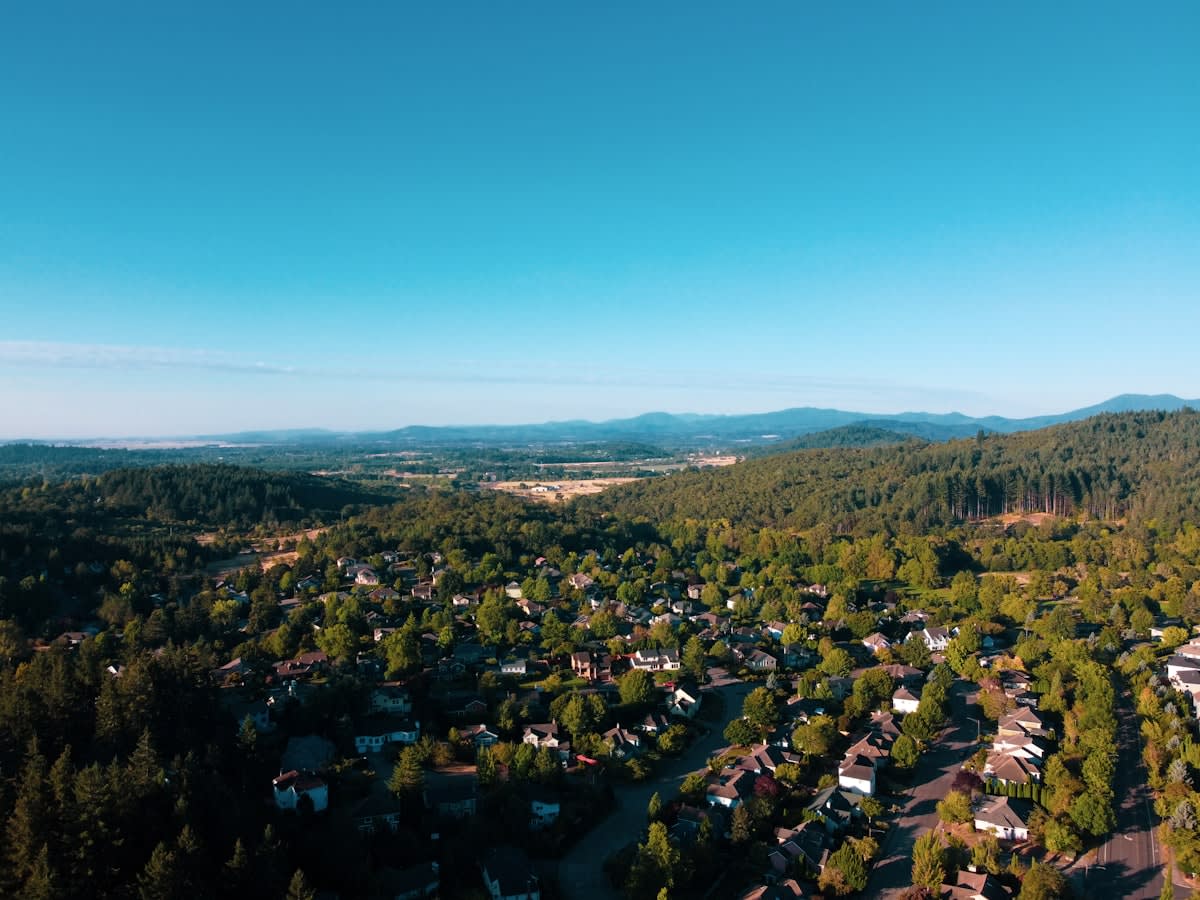
The systemic shift we are witnessing is the transition from 'Company-Centric' to 'Human-Centric' geography. For a century, the company decided where the human lived. Now, the human decides where the company exists. This flips the power dynamic of the labor market. When a worker is no longer tethered to a specific zip code, their loyalty shifts from the employer to their own lifestyle ecosystem. The company is no longer the provider of a community; it is merely a source of income that funds a community chosen by the employee.
We can see this manifesting in the 'U-turn' and 'I-turn' movements in Japan. Young professionals are returning to their hometowns (U-turn) or moving to entirely new rural areas (I-turn) to start businesses that blend traditional crafts with global e-commerce. They are not abandoning the global economy; they are accessing it from a position of greater personal stability. This is a resilience strategy. By diversifying their environment, they protect themselves against the volatility of any single urban center.
- Decoupling of income from local cost-of-living indices
- Investment in regional digital infrastructure over metropolitan transit
- The rise of the 'Micro-Hub' as a social and professional anchor
- The conversion of rural residential assets into high-productivity workspaces
- A shift in status symbols from urban zip codes to 'quality of space'
The ultimate outcome of the Rurban shift is the creation of a more distributed, resilient global middle class. By spreading the concentration of talent and capital, we reduce the fragility of the 'mega-city' model. When a city is the only place to find opportunity, it becomes a bottleneck. When opportunity is distributed across a network of Rurban nodes, the entire system becomes more adaptive. We are moving toward a world of 'polycentricity,' where the center is everywhere and the periphery is nowhere.
Is the city dead? No. The city is simply being redefined. It is shifting from a place of mandatory residence to a place of elective visitation. The urban core will become a high-intensity zone for networking, culture, and high-stakes negotiation—a place you visit for three days of intensity before returning to your Rurban sanctuary. The city is becoming the 'event,' while the Rurban zone is the 'experience.' This is the final stage of the hybrid life: the strategic oscillation between the noise of the center and the clarity of the edge.