Blood pressure 180/120 or higher: What it means and when to seek emergency care
Source Entity
The Indian Express
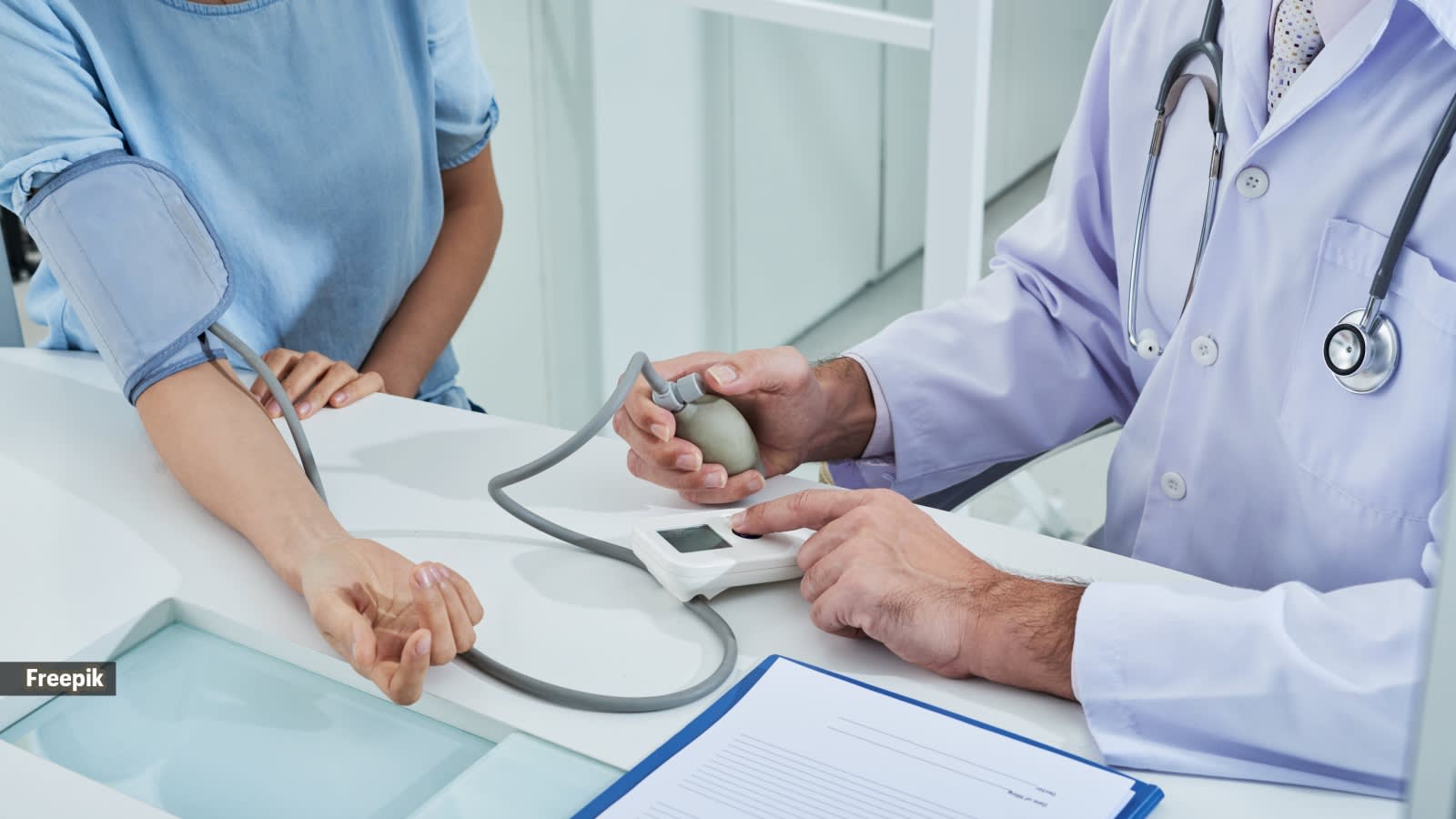
Medical experts define a blood pressure reading of 180/120 mmHg or higher as a hypertensive crisis requiring immediate medical evaluation. Patients should not ignore such levels, especially if accompanied by secondary symptoms, as it indicates a potential risk to organ function.
Understanding Hypertensive Crisis: The 180/120 Threshold
High blood pressure, often referred to as the 'silent killer,' frequently presents without obvious physical symptoms. This lack of clear warning signs makes routine monitoring essential for cardiovascular health. However, when a blood pressure reading reaches or exceeds 180/120 mmHg, it enters a range classified by medical professionals as a hypertensive crisis, demanding immediate clinical intervention to prevent potential long-term damage.
The Clinical Significance of Severe Hypertension
According to Dr. Aarti Ullal, a Physician and Diabetologist at Gleneagles Hospital Parel, a reading of 180/120 mmHg is the critical threshold that necessitates prompt medical attention. While clinical protocols often suggest that a single high reading may require rechecking under controlled conditions to rule out error, readings at this extreme level are treated with a higher degree of urgency. The body’s vascular system is under significant stress at these pressures, which can lead to rapid deterioration of vital organs.
Why Symptoms Matter in Diagnosis
While high blood pressure is often asymptomatic, the context of a 180/120 reading changes significantly if the patient experiences associated symptoms. Medical experts emphasize that the presence of secondary indicators—such as chest pain, severe headaches, vision changes, or difficulty breathing—alongside a high BP reading serves as an acute warning sign. These symptoms suggest that the high pressure may be causing damage to the heart, brain, or kidneys, transforming a manageable chronic condition into an acute medical emergency.
The Importance of Immediate Action
Delayed reaction to a hypertensive crisis can have severe consequences. Patients who record these numbers should not wait for symptoms to dissipate or attempt home remedies without professional guidance. The medical consensus is clear: if a reading hits 180/120 mmHg, the priority must be to seek professional medical help immediately. This allows healthcare providers to assess the patient's condition and determine whether the crisis is 'hypertensive urgency' or the more severe 'hypertensive emergency.'
Future Trends and Monitoring Guidelines
As cardiovascular health awareness continues to grow, the emphasis on home monitoring remains a cornerstone of preventative medicine. Understanding that 180/120 mmHg is a definitive red line helps patients take control of their health by knowing exactly when to transition from home management to emergency care. Moving forward, the integration of digital monitoring tools and increased public literacy regarding these thresholds will be crucial in reducing the incidence of emergency-level cardiovascular events.
Conclusion
In summary, while blood pressure fluctuates throughout the day, a reading of 180/120 mmHg is an objective indicator that requires medical intervention. By recognizing this threshold and acting quickly, patients can mitigate the risks associated with severe hypertension. Always consult with a licensed healthcare practitioner to develop a personalized care plan and ensure that any diagnostic actions are taken within a safe and professional medical framework.