AIIMS BSc Nursing draws 1.91 lakh applications, records over 1000% jump in 5 years
Source Entity
Neeti Nigam
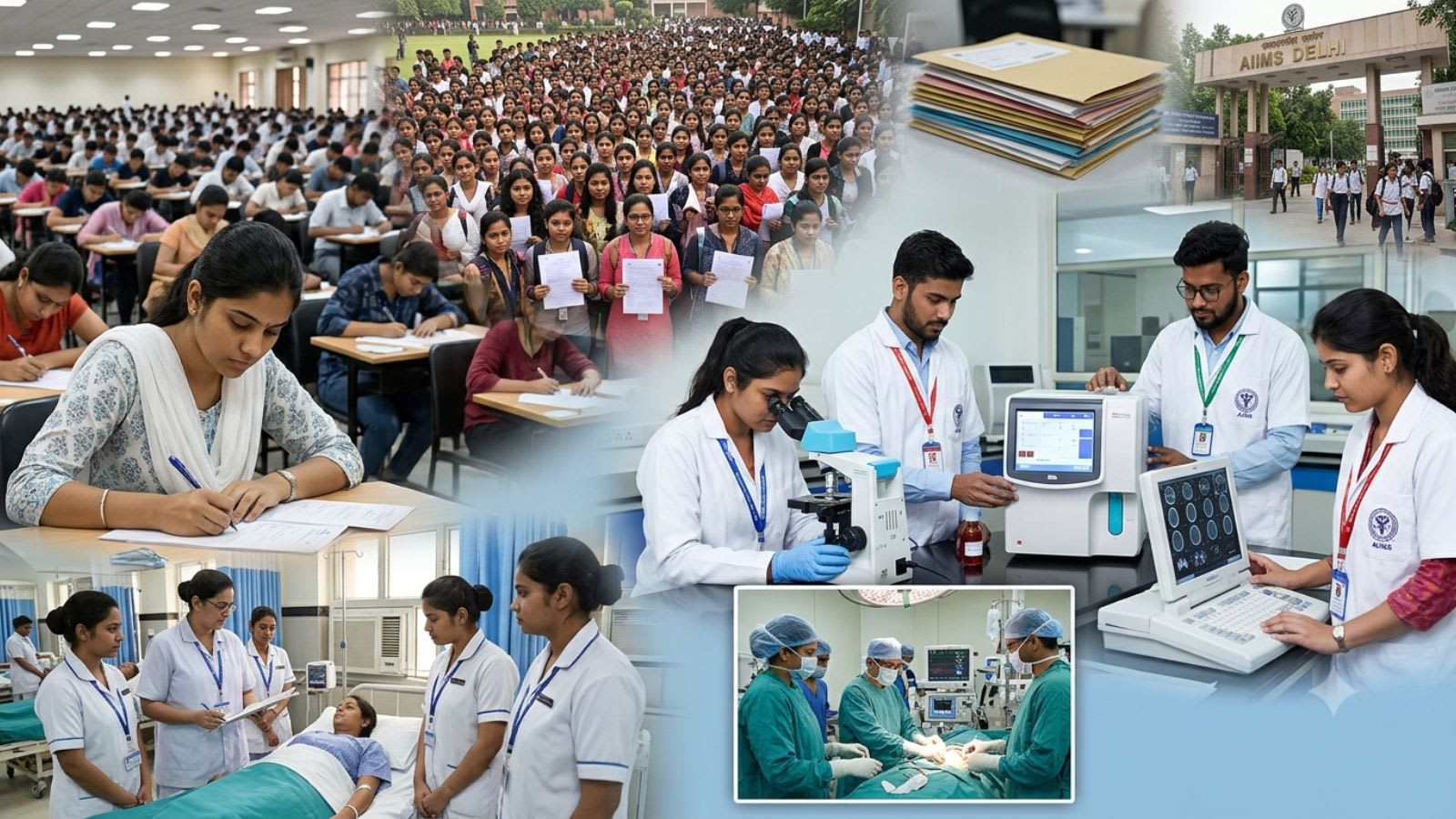
Applications for AIIMS BSc Nursing have surged to 1.91 lakh, marking a 1000% increase over five years. This trend highlights growing student interest in nursing due to clear government career pathways.
The Surge in Nursing Aspirations: Analyzing the AIIMS Application Spike
Recent data obtained through the Right to Information (RTI) Act has revealed a staggering shift in the academic preferences of Indian students. For the August 2026 session, the All India Institute of Medical Sciences (AIIMS) received 1,90,740 applications for its BSc (Hons) Nursing program. This figure represents a monumental 1000% increase over the last five years, signaling a profound transformation in how students view nursing as a professional trajectory.
Factors Driving the Massive Enrollment Growth
The primary catalyst for this surge is the increasing visibility of nursing as a stable and rewarding career path. Unlike other sectors that may lack clear professional roadmaps, nursing in India benefits from a well-defined government recruitment pathway. Students are increasingly recognizing that an AIIMS-affiliated degree provides not only high-quality clinical training but also a direct route into the public healthcare workforce, which offers long-term job security and competitive benefits.
Allied Healthcare: A Parallel Growth Story
Beyond the nursing figures, the RTI data also highlights significant interest in auxiliary medical fields. With 1,17,033 applications received for BSc Allied & Healthcare Courses for the same session, it is evident that students are diversifying their medical education choices. This interest in laboratory healthcare and other allied services reflects a broader understanding that the modern medical ecosystem requires a multidisciplinary workforce to function effectively.
The Role of Transparency in Education Data
This vital information was brought to light by 30-year-old Vipul Sharma, a professional currently working in laboratory healthcare at Lady Hardinge Medical College. The use of the Right to Information (RTI) Act to uncover these trends underscores the importance of institutional transparency. By accessing such data, stakeholders, policymakers, and students can better understand the competitive landscape of medical education in India.
Future Implications for Indian Healthcare
The rapid rise in applications suggests that the supply of skilled nursing professionals in India is poised to grow significantly. As AIIMS continues to be a premier choice for aspirants, the institution's ability to absorb this demand will be tested. Looking ahead, this trend will likely lead to a more robust healthcare infrastructure, provided that the government continues to scale recruitment and infrastructure to match the influx of qualified graduates entering the workforce.
Conclusion
In summary, the 1000% growth in nursing applications at AIIMS is not merely a statistical anomaly but a reflection of a changing socioeconomic landscape where healthcare professions are highly coveted. With nearly 2 lakh students vying for spots in nursing, the future of the Indian healthcare system looks increasingly bright, contingent upon the continued development of clear professional pathways and educational support.