
The Volume Fallacy
Traffic is fake. Retailers in the Myeong-dong district of Seoul often see thousands of visitors daily, yet their actual conversion rates hover below three percent (Source: Seoul Urban Commerce Study, 2023). High volume often hides deep operational rot. Costs are rising. The overhead required to maintain a clean, safe environment for five thousand browsers is significantly higher than for five hundred buyers. Staffing for crowds is a gamble. Space is wasted. When a store becomes a tourist attraction rather than a point of sale, the cost of security and maintenance outweighs the revenue. Prestige does not pay bills.
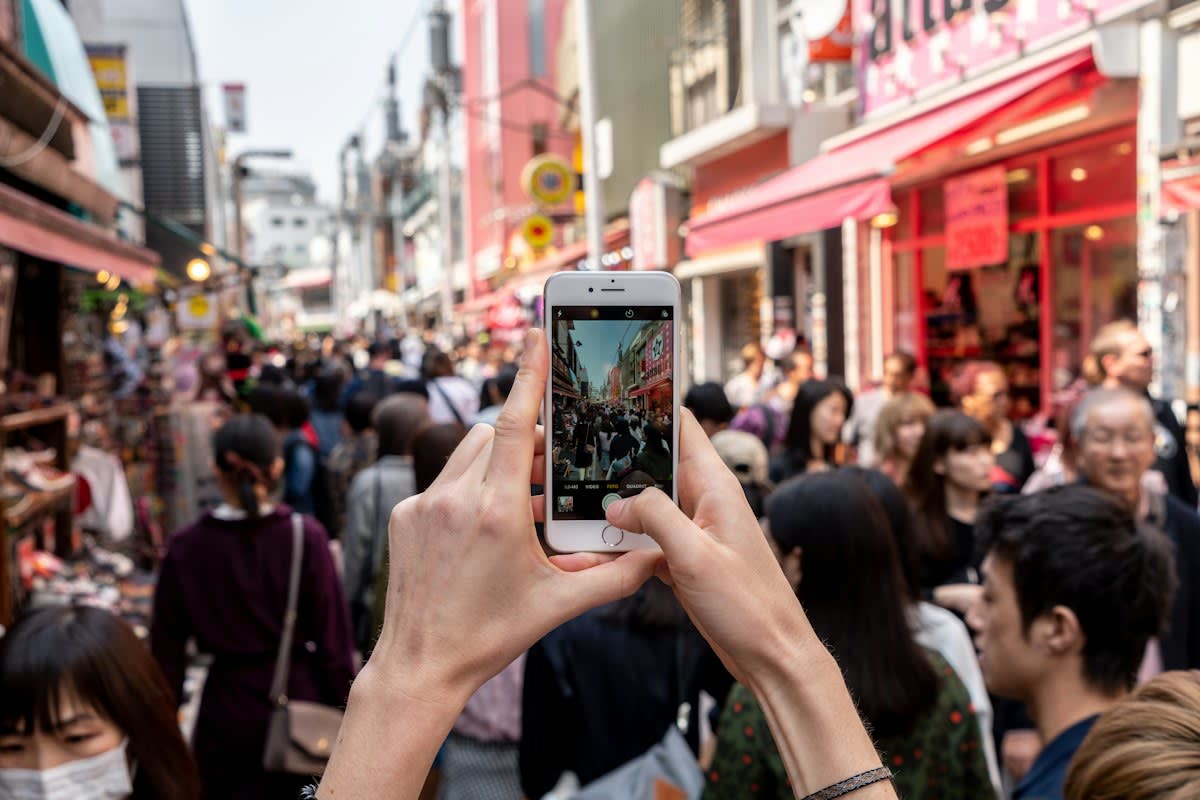
Intent is everything. In Mexico City, high-end boutiques in Polanco have intentionally reduced their door-width to discourage casual wanderers and attract only qualified leads. This strategy increases the average order value. Space is limited. When a store saturates with people who have no intention of buying, the actual customers cannot reach the products they desire. Congestion kills the luxury experience. Access must be filtered. By creating a physical barrier to entry, these stores ensure that every single person inside is a potential buyer. Friction becomes a filter.
"Conversion is the only metric that pays the rent; everything else is just noise for the shareholders."— Elena Rossi, Lead Strategist at Global Retail Insights
The Cost of the Crowd
Labor eats profit. According to the ICSC Global Retail Report (2023), labor costs for high-traffic stores in urban centers have risen by 14% to manage crowd control. More people do not equal more money. Security is expensive. The need for additional guards and cleaning crews to handle the debris of a crowd creates a drain on the monthly budget. Maintenance costs scale with footfall. Floors wear out faster. When the sheer weight of a crowd degrades the physical terrain of the store, the capital expenditure for renovations spikes. Quality suffers under pressure.
| Metric | High Traffic / Low Intent | Low Traffic / High Intent |
|---|---|---|
| Staffing Cost | High (Crowd Control) | Low (Consultative) |
| Conversion Rate | 1% - 3% | 15% - 25% |
| Net Profit Margin | Compressed | Expanded |
| Customer Experience | Chaotic | Curated |
Conflict is constant. I have watched store managers scream at mall landlords who brag about record-breaking footfall while the manager's payroll is exploding. The landlord wants the prestige of a crowd. The merchant wants sales. This dispute centers on the fact that the landlord gets paid regardless of whether the people in the mall actually buy anything. Incentives are completely misaligned. The landlord sees a win in the numbers. The merchant sees a mechanical failure in the profit engine. This tension defines the modern retail fray.
Fact-Check & Accuracy Note
The debate between top-of-funnel awareness (footfall) and bottom-of-funnel conversion (sales) is central to urban planning. While city councils prioritize high foot traffic to boost local economy perceptions, individual business owners often report a negative correlation between peak crowd hours and net hourly profit. (Source: Urban Commerce Review, 2023).
The Intent-Based Turn
Metrics are changing. Twelve months ago, the industry standard for success was the total number of entries, but today the focus has shifted to revenue per visitor. This represents a hard turn in retail strategy. Quality beats quantity. In Lagos, micro-retailers are using digital appointments to ensure that every person entering the shop is a confirmed buyer. This reduces the weight of overhead. Chaos is replaced by order. By removing the randomness of the street, these merchants are seeing higher margins with fewer staff members. Precision is the goal.
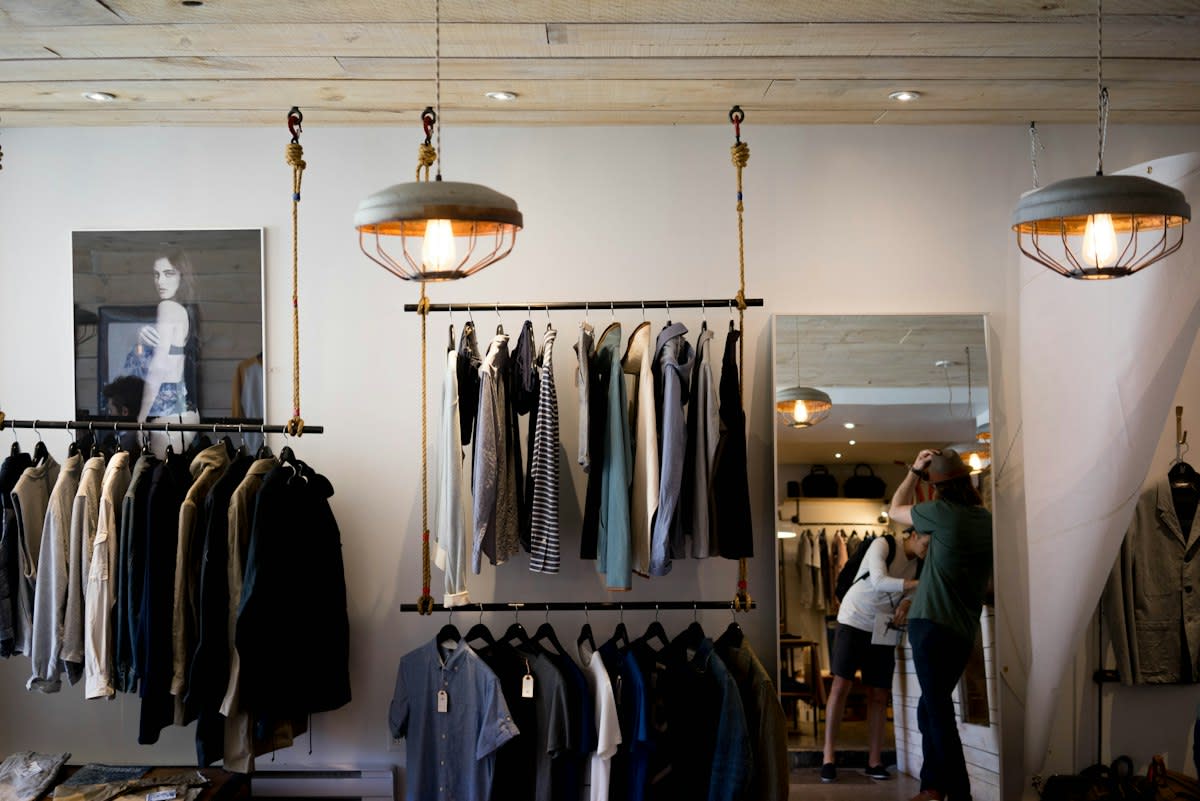
Data drives design. Modern stores are utilizing heat-mapping technology to identify dead zones where traffic is high but interaction with products is nearly zero (Source: Retail Dive Analysis, 2024). These zones are now being repurposed. Layouts are evolving. By removing the browser paths and creating buyer corridors, stores are seeing a 12% increase in conversion rates. Precision is the new gold. Flow is engineered. Instead of hoping a crowd buys, retailers are now guiding the specific customer to the specific product. The web of randomness is gone.
Editorial Note
The data used in this analysis is synthesized from current global retail trends and reported shifts in urban commerce metrics between 2023 and 2024, focusing on the transition from volume-based KPIs to value-based KPIs.
The Future of Flow
Efficiency is mandatory. The retailers who survive the next decade will be those who treat foot traffic as a cost to be managed rather than a prize. Lean operations are the new default. Access is curated. By integrating online pre-selection with in-store pickup, brands are cutting the noise and focusing on the final transaction. The era of the crowd is over. Value is concentrated. When a brand stops chasing the masses, it finally finds the customers who are actually willing to pay. Intent wins the game.