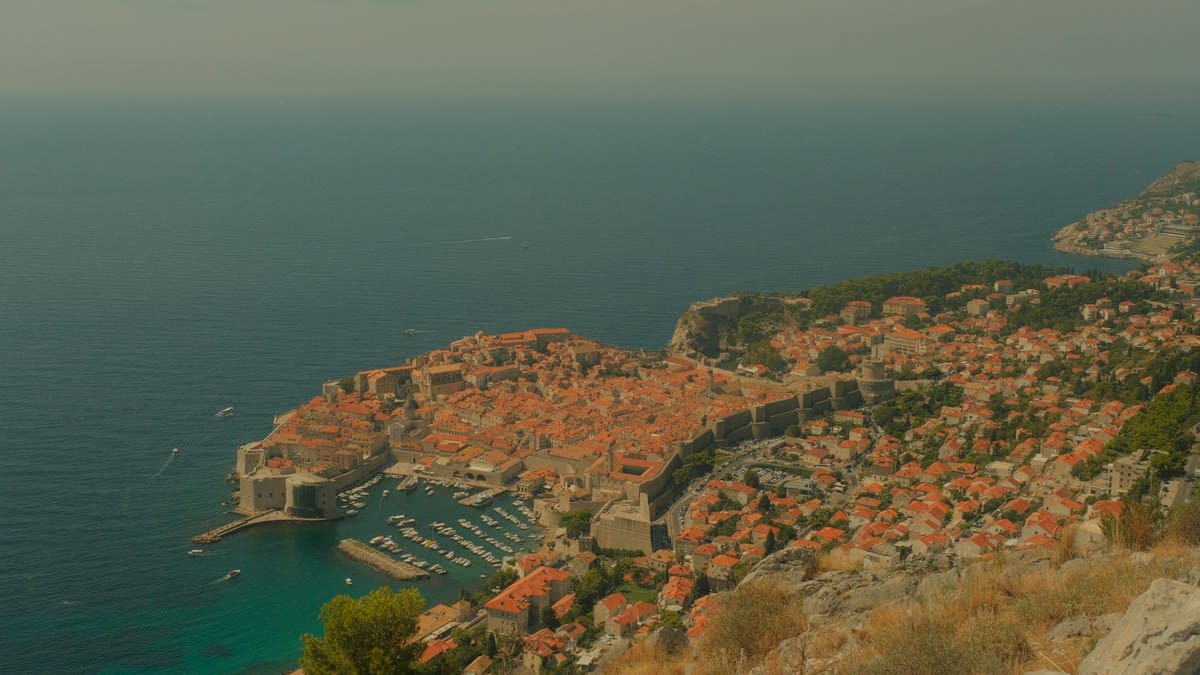
894 billion dollars. The Global Wellness Institute reported this amount in wellness tourism receipts for 2024 (Source: Mordor Intelligence, 2026). This massive financial influx creates a paradox where the desire for recovery and preventive health travel clashes with the physical limits of the earth. As demand for longer-stay formats grows, the pressure on local resources becomes unsustainable. The industry is no longer asking if it can grow, but how much it must shrink to survive.
Accommodation remains the heaviest weight in this sector. It accounted for 38.42% of the global sustainable tourism market in 2025 (Source: Mordor Intelligence, 2026). Hotel networks use third-party certifications to signal sustainability, such as Marriott reporting over 500 certified properties across EMEA by late 2024 (Source: Mordor Intelligence, 2026). However, a green certificate on a hotel wall does not stop a city from choking under the weight of a million suitcases. The friction exists between corporate sustainability metrics and the actual salt-crusted reality of overcrowded ports.
The Geography of Limits
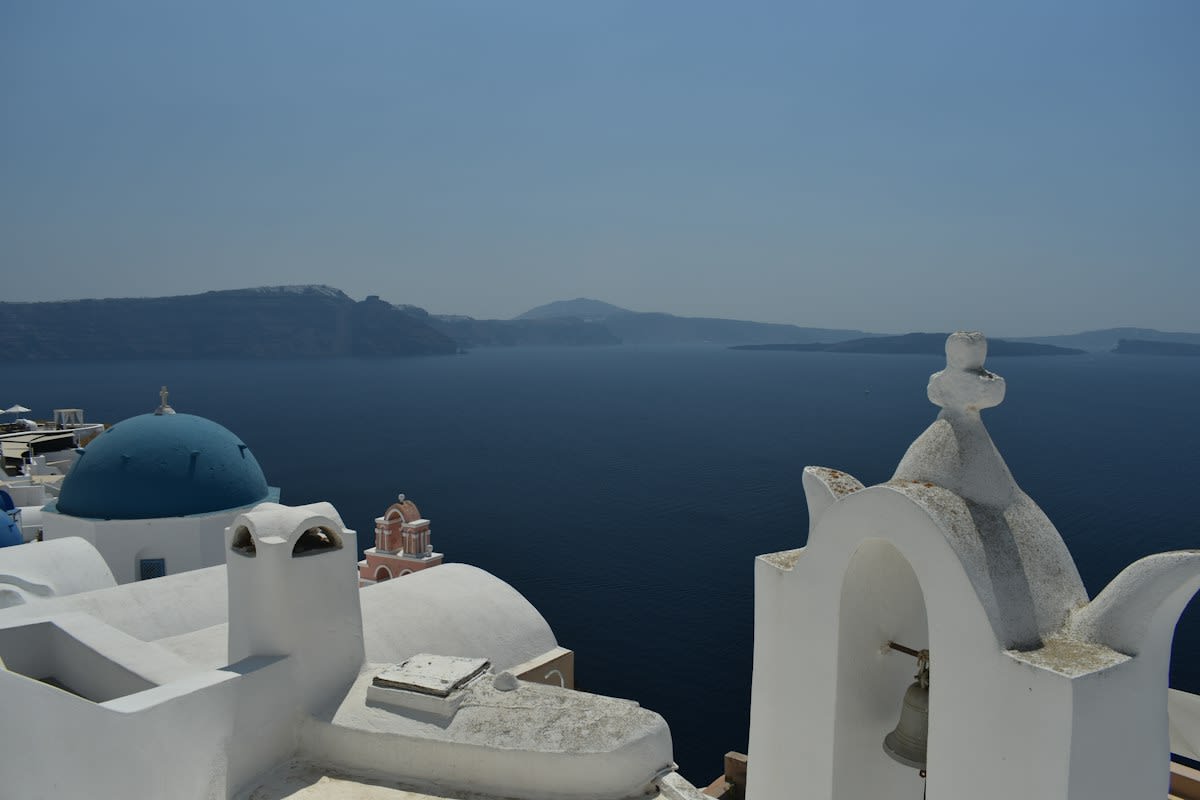
Santorini provides a stark example of the hard cap. The island maintained its daily cruise passenger cap in 2025 and extended this restriction into 2026 (Source: Mordor Intelligence, 2026). The 2026 methodology is even more aggressive, applying full ship capacity in the count rather than actual passenger numbers. This removes the loopholes used by cruise lines to bypass limits. It is a brine-soaked admission that the island can no longer absorb the volume of traditional mass tourism.
Barcelona is following a similar path of restriction. The city's tourism management plan for 2024-2027 explicitly acknowledges that many residents believe the city has reached its total tourism capacity (Source: Mordor Intelligence, 2026). When the local population views visitors as an occupying force rather than a revenue stream, the social carrying capacity is breached. The goal is no longer to attract more people, but to manage the ones already there.
This tension is not limited to Europe. In Asia, the scale of the problem is amplified by the sheer volume of domestic travel.
Mount Qingcheng in Sichuan operates with a maximum capacity of 22,000 visitors per day (Source: Vietnam.vn, 2026). On October 3rd, the site hit a temporary limit of 19,800 people by 10 am, forcing an immediate halt to online ticket sales (Source: Vietnam.vn, 2026). This creates a digital bottleneck where access to nature is determined by a millisecond of internet speed. When tickets are sold according to quotas, the quality of the experience diminishes for those who make the cut and vanishes for those who do not.
"A destination that becomes successful too quickly may have to learn to say 'enough' to tourists. Because scenic areas have limited capacity, and mountain roads have limited capacity."— Vietnam.vn, Analysis of Tourism Paradox (2026)
The reality on the ground for a destination manager is a constant battle against greed. In regions like Galiyat, the friction is visible in the dust-choked roads and unauthorized concrete blocks appearing overnight. Practitioners face a war between short-term rental profits and long-term environmental viability. The debate is rarely about the science of carrying capacity and almost always about who gets to profit from the remaining slots.
The Implementation Gap
Pakistan's tourism sector highlights the difference between policy and practice. The Gilgit-Baltistan region is one of the country's greatest assets, yet its geography makes it exceptionally vulnerable to unmanaged growth (Source: Minute Mirror, 2026). There is a desperate need for carrying-capacity assessments and controlled construction to prevent the region from collapsing under its own popularity. Without these, the mountain tourism model is a house of cards.
The Galiyat region requires a comprehensive destination-management plan that addresses land use, water supply, and waste (Source: Minute Mirror, 2026). However, the presence of a plan does not guarantee a result. The failure is not in the writing of the rules, but in the enforcement of them. When unauthorized construction continues despite existing regulations, the policy becomes a ghost document.
| Destination | Management Strategy | Primary Metric/Cap | Source |
|---|---|---|---|
| Santorini | Cruise Passenger Cap | Full Ship Capacity (2026) | Mordor Intelligence, 2026 |
| Barcelona | Management Plan (2024-2027) | Resident Capacity Perception | Mordor Intelligence, 2026 |
| Mt Qingcheng | Daily Ticket Quota | 22,000 Visitors/Day | Vietnam.vn, 2026 |
| Gilgit-Baltistan | Proposed Carrying-Capacity | Environmental Safeguards | Minute Mirror, 2026 |
India is facing a similar crisis of scale. The tourism boom in popular hill stations often coincides with long weekends, such as those around Gandhi Jayanti, leading to severe congestion (Source: Daily Guardian, 2026). These spikes in visitation create a stress test that most infrastructure fails. The need for climate-sensitive policy is no longer a suggestion; it is a requirement for survival.
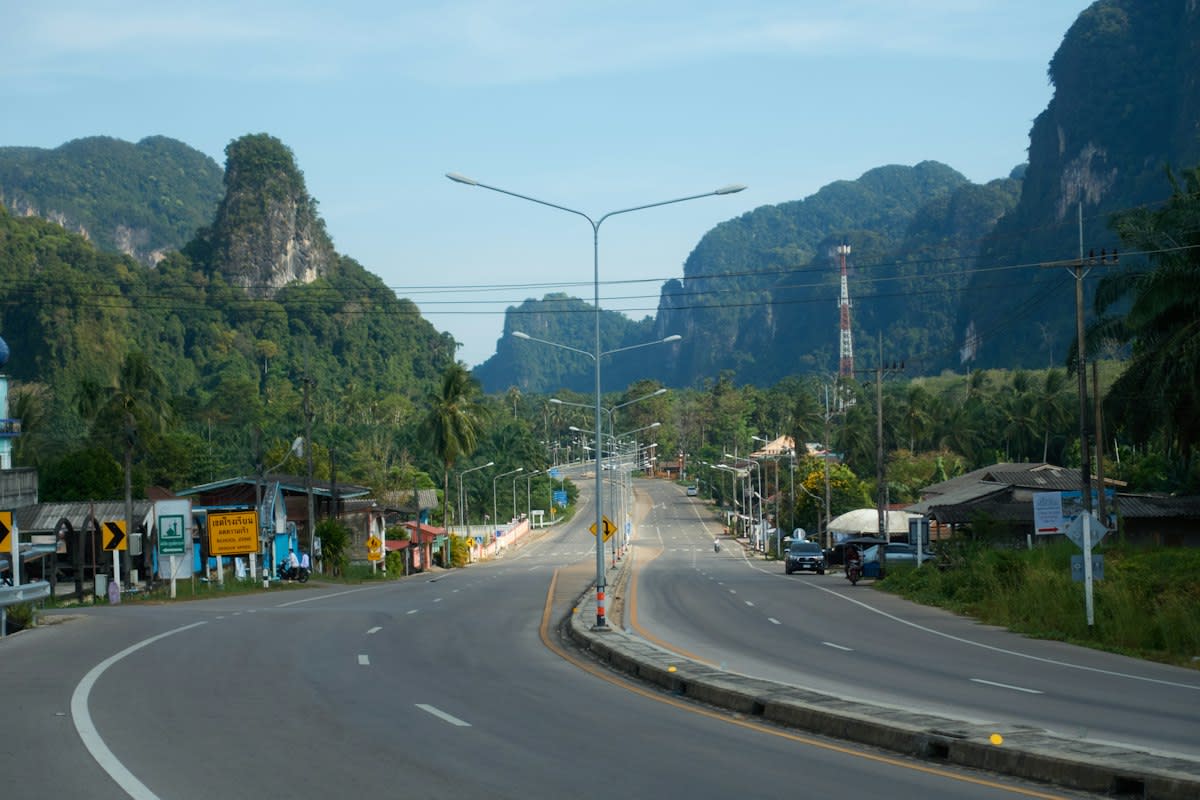
The industry is attempting to steer this demand toward wellness tourism, which is projected to grow at a CAGR of 8.24% through 2031 (Source: Mordor Intelligence, 2026). The logic is that wellness travelers stay longer and spend more per head, reducing the total number of visitors needed to maintain revenue. This is a strategic bet that high-value, low-volume tourism can replace the destructive volume of mass travel.
Failure Points
The transition to tourism caps is fraught with systemic failures. The most dangerous point is the gap between policy and enforcement. When regulations exist on paper but unauthorized construction continues, the problem is not the absence of policy, but the failure of implementation (Source: Minute Mirror, 2026).
- Regulatory Leakage: Cruise ships using passenger counts instead of ship capacity to bypass caps.
- Digital Exclusion: Ticket quotas that favor those with high-speed internet access over local or less-connected travelers.
- Enforcement Paralysis: Policies in regions like Galiyat that are ignored by developers in favor of short-term profit.
- Social Displacement: Residents in Barcelona reaching a breaking point where the city is no longer livable.
Ultimately, the hard cap is a tool of last resort. It is the admission that the growth model of the last fifty years is dead. The future of travel will be defined by who is allowed in and who is kept out.
Editorial Note
This report focuses on the shift from volume-based tourism to capacity-based management. The data indicates a global trend where physical and social limits are overriding economic incentives for growth.
Fact-Check & Accuracy Note
All statistics regarding the sustainable tourism market and wellness receipts are attributed to Mordor Intelligence (2026) and the Global Wellness Institute. Capacity data for Mount Qingcheng is sourced from Vietnam.vn (2026). Implementation failures in Pakistan are cited from Minute Mirror (2026).